
What to Do if Your Loved One Dies in a Car Accident
Losing a loved one in a car crash is one of the most tragic experiences anyone could ever go through. The shock and drastic event might cause numbness, disorientation, and uncertainty over your following action. Grief can make it challenging, but acting correctly at the beginning can provide future clarity, direction, and justice. If your loved one has died in a vehicle collision, here are critical actions to take.
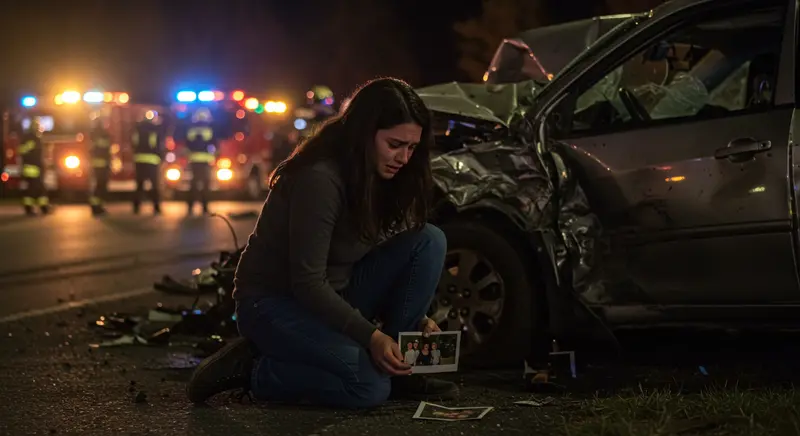
Seek Emotional and Mental Support
The psychological impact of an accident can be immense, making a strong support system essential. Grieving families often experience shock, horror, and sadness. It is advisable to lean on close relatives or friends or utilize a professional bereavement grief counselor.
Loss support groups can also provide comfort. Though nothing can replace your deceased loved one, sharing your experience with others can be a key element in moving forward in a healthy state.
Think About Legal Action
You can seek legal recompense if the carelessness of another individual caused the car crash. This is to cover income loss, burial fees, and medical bills. If you are in New Jersey, consult a New Jersey wrongful death attorney for guidance on whether to file a wrongful death lawsuit or not. They will examine your case and show you the way forward.
These attorneys know the emotional burden of such cases and will fight on your side for your loved one. They will help gather evidence, negotiate with insurance companies, and present you in court. Look for a reputable, experienced lawyer to be sure of quality legal assistance.
Notify Insurance and Financial Institutions
Following the first preparation, inform your loved ones’ bank, insurance providers, and other financial organizations. It helps prevent identity theft and guarantees proper treatment of policies or benefits. Be ready to provide copies of death certificates and other supporting papers.
You would also want to examine the deceased’s financial record, including liabilities, assets, and debt. Call the employer to check for pensions, life insurance, and severance pay if feasible. To assist with these complex problems, you should contact a financial advisor.
Make Final Arrangement Thoughtfully
While difficult, coordinating a memorial or funeral is inevitable in celebrating the life of your deceased loved one. Attempt to adhere to your deceased loved ones’ written preferences as much as possible, if there are any. Consult as a family on the best arrangement to put forward.
You will also have to deal with things such as obtaining a death certificate, choosing a funeral home, and preparing for cremation or burial. These matters should be addressed quickly, so having close relatives or friends to support you during this time can be very helpful.
Give Long-Term Healing First Priority
Healing from a loss takes time. It won’t happen within a week or even a few months. What matters is showing patience when moving to live without the person you cherish. A long-term healing process calls for self-care activities, including journaling treatment or a walk in nature.
Engaging in acts of charity, creating a memorial, or honoring their memory in your daily life can make it possible to cope with your loss. Although the pain never fully goes away, directing your grief to a meaningful purpose could be the key to finding peace.
Endnote
Knowing what to do can bring stability and comfort in the center of uncertainty after the loss of a beloved in a vehicle accident. Every step toward the healing process is driven by counseling, mourning and seeking legal support. While you could be advised to move on, proper counseling, sensitivity, and compassion will help you to preserve the memory of the deceased.
