
When Metal Meets Asphalt: The Aftermath of a Car Accident
Few scenarios unfold as swiftly and unexpectedly as a car accident. One moment, the road stretches ahead, calm and familiar; the next, the screech of tires and the crunch of metal. Whether it’s a minor fender bender or a major collision, the aftershock ripples through those involved, often leaving them grappling with confusion and uncertainty.
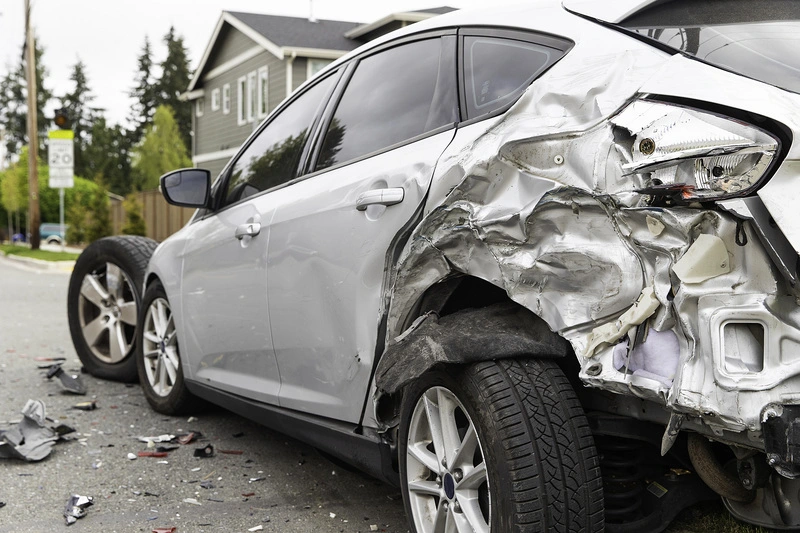
As roads become more congested and the pace of life accelerates, understanding how to deal with a car accident becomes essential. According to Dean Weitzman, MyPhillyLawyer, “Understanding your rights and responsibilities makes a significant difference in the outcome of your car accident case. Our team advises all clients to maintain thorough documentation and open communication with all parties involved.”
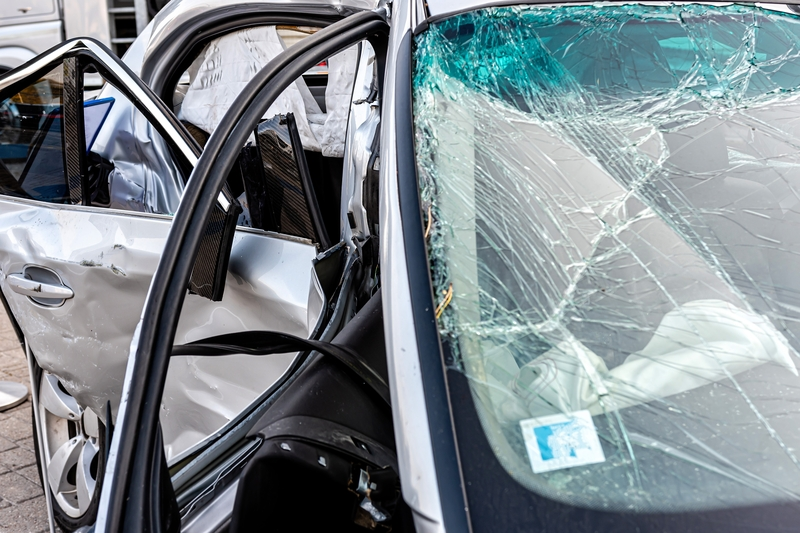
The Immediate Reaction
In the seconds following an accident, adrenaline surges and time seems to warp. This initial rush can cloud judgment, making it crucial to focus on immediate safety. The first step is to check for injuries. Safety takes precedence over all else; dialing emergency services should be a reflex action. Next, if the vehicle is operable, move it to the side of the road to avoid further accidents.
Once safety is secured document the scene. In an era where smartphones are ubiquitous, capturing photographs of the accident scene, vehicle damage, and any visible road obstructions provides invaluable evidence for insurance claims and legal proceedings. These snapshots offer clarity when memories may falter later.
Remember, car accidents can have delayed injury symptoms. Car accidents survivors may sustain whiplash, internal bleeding, post concussion syndrome, post traumatic stress disorder, blood clots, deep vein thrombosis, stroke and pulmonary embolism. Virtually nothing is off the table medically until the accident survivor is thoroughly checked over by medical personnel. Do not skip going for a medical workup after an accident. Your life may depend on it.
Navigating Claims and Responsibility
After ensuring personal safety and gathering evidence, the path inevitably leads to insurance claims and liability discussions. This requires patience and persistence. Reaching out to insurance providers promptly is vital. They guide you through the necessary steps, including obtaining a police report and providing information about medical treatments.
The legal aspects can be overwhelming, as determining fault and coverage often involves intricate details and negotiations. Here, the insights of legal professionals are invaluable.
The Emotional Toll: Healing Beyond the Physical
While much of the focus post-accident is on physical and logistical issues, the emotional impact can be profound and enduring. The psychological aftermath often lingers, manifesting as anxiety, stress, or even post-traumatic stress disorder (PTSD). It’s essential to acknowledge these emotions and seek support when needed.
Family and friends can offer a comforting presence, but professional help from therapists specializing in trauma may provide the tools necessary for more profound healing. Engaging in mindfulness practices or physical activities designed to reduce stress can also aid in processing the emotional fallout.
The Community Response: Building Safer Roads Together
Beyond the individual experience, each accident is a stark reminder of broader societal responsibilities. Communities benefit from viewing these incidents as opportunities to enhance road safety measures. This includes investing in improved infrastructure, implementing stricter regulations on roadworthiness and driver competence, and fostering a culture of vigilance and courtesy among drivers.
Public awareness campaigns can underscore the importance of responsible driving. These initiatives should not solely focus on punitive measures but also emphasize education and the cultivation of empathy on the road. After all, each driver shares the responsibility of ensuring that every journey is safe for everyone involved.
Getting Back on the Road
Returning to the road after an accident is a daunting prospect. Confidence may waver, and caution can morph into apprehension. Yet, rebuilding trust in one’s driving capabilities is a critical part of recovery. This process is deeply personal and varies significantly from person to person.
Start with short, familiar routes, gradually increasing distance and complexity as comfort levels rise. Defensive driving courses might provide a renewed sense of security, equipping drivers with strategies to anticipate potential hazards and respond calmly to unexpected situations.
The Road Ahead
Dealing with a car accident extends far beyond the incident itself; it touches on legal, emotional, and communal aspects that require thoughtful navigation. While the immediate response focuses on safety and documentation, the aftermath is about healing and rebuilding. It’s about transforming an unexpected disruption into a catalyst for personal growth and community improvement. The journey post-accident is not just about returning to normalcy but about envisioning and constructing a safer, more empathetic future on the roads we share.
Tips to Handle a Car Accident
Prioritize Safety and Medical Attention:
- Check for injuries
- Call 911
- Seek medical attention even if you feel fine initially, it’s important to get checked out by a doctor as some injuries may not be initially apparent.
- Take photos of the accident scene and include vehicle damage, road conditions, and visible injuries.
- Share information: names, contact details, and insurance information of all drivers involved.
- File a police report
- Avoid admitting fault
- Contact your insurance company as soon as possible.
- Consult with an attorney to protect your rights.
