
Before You Sign Anything: A Long Island Worker’s Guide to Workplace Injury Claims
Some workdays on Long Island feel steady until one quick moment changes everything. A slip, a bad step, or a tool that fails can leave a worker hurt and unsure about what to do next. That first wave of confusion is normal, and it is also the moment many people start wondering if they should hire a Long Island Workplace Accident Lawyer just to understand what comes next.
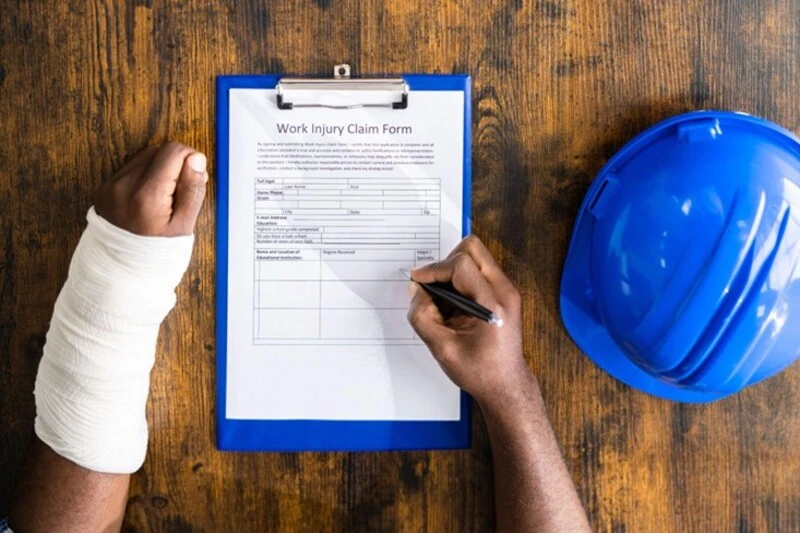
Companies and insurance teams move fast after an injury. They ask for statements. They hand over forms. They want signatures before you understand what happened. Many workers do not realize how much these early choices can affect their claim. This guide explains things in simple terms, so you know what to think about before signing anything after a workplace injury.
Why Workers Should Slow Down Before Signing Anything
Right after an injury, most people just want the situation to go away. They want answers, peace, and a clear plan. This makes it easy to sign papers without thinking about what those papers actually say.
But signing too early can lead to problems that are hard to fix later.
Many workers sign because:
- They trust their employer
- They think it is “just paperwork.”
- They want to get home
- They are scared of losing their job
- They do not want to cause trouble
- They do not understand the language on the form
The truth is simple. Once you sign something, it becomes part of your case. And if the document says something that is not fully right, it can limit what you can claim later.
The First Steps After a Workplace Injury Matter More Than People Think
People believe the paperwork is the most important part, but the first few actions you take after the accident matter even more. They help protect your health and your claim.
Here are steps that help workers keep their case strong:
- Report the injury as soon as you can
- Tell the truth about what happened.
- Take photos of the area.
- Save the tool or item that caused the injury.
- Collect the names of anyone who saw it
- Ask for medical care right away
- Write down how you felt after the accident
These steps may feel small, but they make a big difference later. They help keep your story clear and reduce confusion.
Why Insurance Companies Move So Fast After an Injury
Insurance companies understand something many workers do not. The first few days after an accident are when people feel unsure, stressed, and rushed. This makes it easier for insurers to guide the process in their favor. Knowing the answers to common workers’ compensation questions can actually help workers stay calm during these early steps because it gives them a simple idea of what the claim process involves.
Common tactics include:
- Asking for a Recorded Statement Right Away: Workers think they must give one. But early statements often leave out important details.
- Offering Money Quickly: Small, fast offers may seem helpful. But they almost never cover long-term needs.
- Presenting Forms as “Routine”: Workers hear terms like “standard form” and sign without reading carefully.
- Asking for Full Medical History: This gives them information they can use to argue that your injury came from something else.
Insurance companies are not trying to help you understand your rights. Their goal is to protect themselves.
Why Workplace Injury Claims on Long Island Are More Complicated Than People Expect
Long Island has many different types of workplaces. Warehouses. Construction sites. Restaurants. Hospitals. Retail shops. Factories. Schools. Office buildings. Each one has its own risks.
Because of this variety, workplace accident claims can involve:
- Different safety rules
- Different reporting systems
- Different equipment
- Different types of injuries
- Different employer policies
- Different witnesses
This mix makes Long Island claims more complex than they first appear. It is not just about how you got hurt. It is also about who was responsible for keeping you safe.
What Workers Often Forget About Medical Care
A lot of workers try to “tough it out.” They think the pain will pass. They think going to the doctor is too much trouble. They think they should return to work quickly. These choices can harm a claim.
Medical records matter because they show:
- The date you were hurt
- The type of injury
- How serious is it
- Whether new symptoms appear later
- Whether the injury affects your work
Even small aches can develop into bigger problems. If a worker waits too long to see a doctor, insurance companies can argue the injury did not come from the workplace.
Common Mistakes That Can Hurt a Worker’s Claim
People make mistakes not because they mean to, but because the situation feels complicated.
Here are some mistakes that cause the most trouble:
- Signing forms without reading them
- Not reporting the injury right away
- Changing the story to avoid blame
- Returning to work too soon
- Ignoring medical instructions
- Throwing away damaged equipment
- Assuming they have no rights
These are fixable early on, but not later.
Understanding What You Are Really Signing
Some documents seem harmless, but many include hidden phrases that affect your claim.
Workers should be especially careful with:
- Incident Reports: Make sure the report says what actually happened. Not what someone else wants it to say.
- Medical Release Forms: Only share what is connected to the accident.
- Settlement Papers: Early settlements almost never cover long-term care or lost income.
- Written Statements: Do not sign anything that blames you unless it is completely true.
Clear Information Helps You Stay in Control
Knowing your rights gives you confidence. It helps you speak up. It helps you handle pressure. And it helps you avoid mistakes that weaken your claim.
Clear information helps workers:
- Protect their health
- Communicate clearly
- Avoid signing harmful forms
- Keep evidence safe
- Understand what steps matter
- Plan for their recovery
You do not need to know every law. You just need enough clarity to avoid decisions that hurt your future.
A Simple Reminder for Long Island Workers
Workplace injuries can shake your world. They bring pain, confusion, and pressure from many directions. Before you sign anything, pause. Take a breath. Ask questions. And protect your rights.
Long Island workers show up every day to keep businesses running. They deserve safe workplaces. And when safety fails, they deserve clear guidance without fear or confusion.
Understanding your rights is the first step. Signing carefully is the second. And protecting your future is the goal of it all.
