
Augusta’s Response to Proposed Bans on Automated Traffic Enforcement
Automated traffic enforcement has been a subject of heated debate across the country. Supporters argue these systems enhance road safety by discouraging reckless driving. On the other side, critics claim they infringe on individual rights and serve more as revenue generators than safety tools. In Augusta, the conversation has intensified as lawmakers consider limiting automated traffic enforcement.
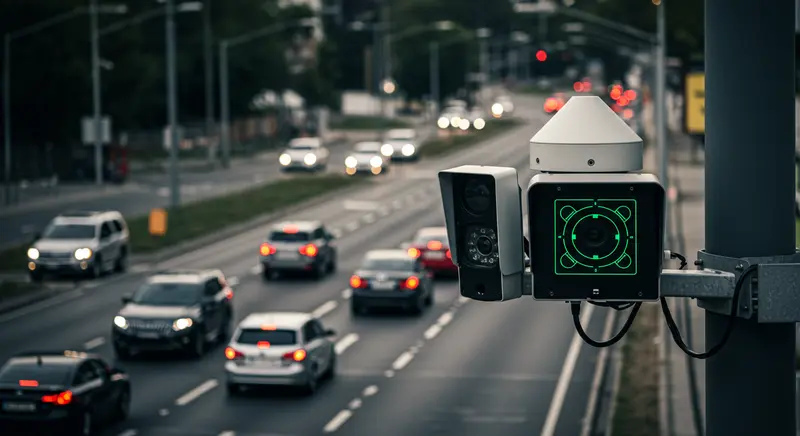
With concerns about traffic safety, it is important to understand how these proposed bans could impact Augusta’s roads and legal concerns. Below, we examine Augusta’s response to these potential restrictions, the implications for drivers, and the role an Augusta car accident lawyer can play in handling cases related to traffic violations and accidents.
The Debate Over Automated Traffic Enforcement
Automated traffic enforcement systems have been used in Augusta to monitor intersections, reduce speeding, and catch violators. However, the growing push for bans has brought forth arguments from both sides.
Arguments in Favor of Automated Traffic Enforcement
- Traffic Safety Improvements – Studies have shown that automated cameras reduce red-light violations and decrease the risk of side-impact and rear-end collisions at intersections.
- Supplementing Law Enforcement – With limited police resources, cameras help enforce traffic laws without requiring officers to be physically present at all times.
- Evidence Collection – Cameras provide photographic and video evidence, making it easier to prove violations in court.
- Encouraging Responsible Driving – The knowledge that cameras are in place encourages drivers to adhere to speed limits and traffic signals.
Concerns Leading to the Proposed Bans
- Potential for Unfair Tickets – Critics argue that cameras can issue fines without considering circumstances, such as unavoidable actions to prevent accidents.
- Revenue Over Safety – Some believe that municipalities prioritize financial gain from fines rather than actual traffic safety.
- Lack of Due Process – Since tickets are mailed, drivers may not have immediate opportunities to contest citations or question the accuracy of the technology.
- Technical Errors – Malfunctions in automated systems can lead to incorrect fines, adding frustration for drivers.
Augusta’s Position on the Proposed Bans
As lawmakers deliberate over banning or limiting automated enforcement, Augusta has taken a measured approach, balancing safety concerns with fairness for drivers.
Lawmakers’ Considerations
Local leaders recognize that while cameras have helped reduce violations, they must also ensure enforcement is fair and transparent. Some officials propose stricter regulations on how cameras operate rather than outright bans. These measures include:
- Requiring Warning Signs – Placing clear signage near camera-monitored areas to notify drivers.
- Establishing Independent Reviews – Ensuring third-party audits verify the accuracy and fairness of issued citations.
- Offering Appeal Options – Expanding appeal rights for drivers to contest violations with additional evidence.
Public and Legal Reactions
Many Augusta residents and legal professionals have voiced their opinions on the matter. Traffic safety advocates argue that removing cameras could lead to more dangerous intersections, while those against enforcement technology highlight the need for better alternatives.
Attorneys specializing in traffic law, including Augusta car accident lawyer professionals, have been closely monitoring the discussions. If bans or restrictions take effect, legal challenges regarding past citations or enforcement practices may arise.
The Impact on Traffic Safety and Accident Claims
If automated traffic enforcement is banned or restricted, the impact on Augusta’s road safety remains uncertain. While some drivers may appreciate fewer fines, a decline in enforcement could lead to increased violations and a higher risk of accidents.
Possible Consequences of Limiting Automated Enforcement
- Increased Intersection Collisions – Without red-light cameras, the likelihood of drivers running red lights may increase, leading to more accidents.
- Higher Burden on Police – Officers will need to dedicate more time to traffic enforcement, potentially diverting resources from other law enforcement duties.
- Legal Confusion – If existing citations are disputed due to new policies, it could lead to challenges in the court system.
The Role of an Augusta Car Accident Lawyer
For individuals involved in accidents where traffic enforcement is a factor, an experienced car accident lawyer can help in various ways:
- Challenging Unfair Traffic Citations – If a driver receives a questionable citation from an automated system, legal representation can be critical in disputing it.
- Handling Injury Claims – Victims of accidents caused by reckless driving may need legal assistance to pursue compensation for medical bills, lost wages, and other damages.
- Representing Drivers in Court – Whether defending against a fine or proving fault in an accident case, lawyers provide valuable advocacy.
The future of automated traffic enforcement in Augusta remains uncertain as lawmakers continue their discussions. If bans or limitations take effect, drivers should stay informed about new traffic laws and enforcement methods.
Last Words
The debate over automated traffic enforcement in Augusta highlights the ongoing challenge of balancing road safety with fairness. While some argue that cameras reduce dangerous driving behaviors, others see them as an overreach that prioritizes revenue over justice. Regardless of the outcome, drivers should remain aware of their rights and obligations on the road.
For those facing legal issues related to traffic citations or accidents, consulting an Augusta car accident lawyer can provide clarity and support. As the city continues to shape its approach to traffic enforcement, responsible driving and legal awareness remain key to ensuring safety for all road users.
