
The Top Legal Mistakes People Make After a Car Accident in Omaha
In the aftermath of an Omaha car accident, victims often make critical legal missteps that can severely impact their ability to recover compensation. These common errors, ranging from hasty apologies at the scene to premature settlement acceptance, can undermine even the strongest cases. Understanding and avoiding these pitfalls becomes essential for protecting one’s legal rights. The following examination of frequent mistakes reveals how accident victims can better position themselves for a favorable outcome.
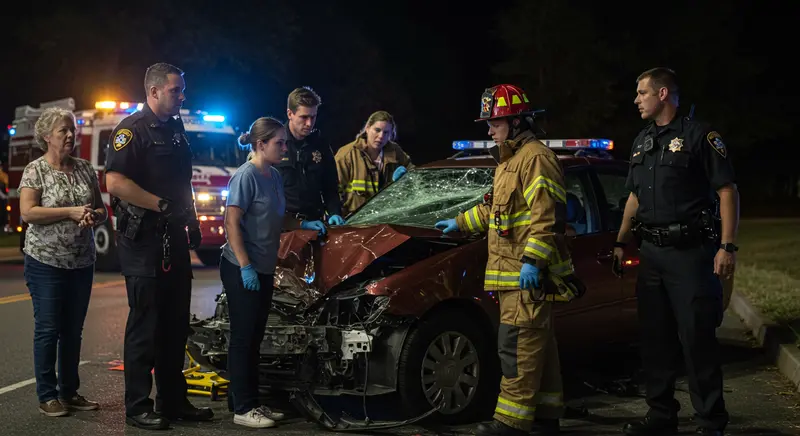
Apologizing or Admitting Fault at the Accident Scene
Even when drivers feel compelled to apologize after a collision, expressing remorse or admitting fault at an accident scene in Omaha can severely compromise their legal position. Any statements made in the immediate aftermath of a crash may be used against them during insurance negotiations or legal proceedings.
Keeping calm at the scene is vital, as heightened emotions can lead to unintended admissions of responsibility. Drivers should avoid speculation about what caused the accident or making statements like “I didn’t see you” or “I should have been more careful.” Instead, they should focus on exchanging necessary information with other parties and documenting the scene. The determination of fault should be left to insurance adjusters, law enforcement officials, and legal professionals who can objectively evaluate all evidence and circumstances surrounding the incident.
Failing to Call Law Enforcement and Get a Police Report
Beyond the immediate challenge of managing post-accident statements, one of the most significant mistakes drivers make is neglecting to contact law enforcement after a collision in Omaha. A police report serves as a pivotal third-party documentation of the incident, providing an objective account of the scene, damages, and circumstances surrounding the accident.
Any reporting delay can severely impact the ability to establish fault and gather essential evidence. Law enforcement officers are trained to collect indispensable information, including witness identification, vehicle positions, road conditions, and traffic violations. Without this official documentation, insurance claims may face complications, and legal proceedings could become more challenging. In Nebraska, certain accidents legally require police notification, and failure to do so could result in additional penalties beyond the collision-related issues.
Neglecting to Gather Evidence and Take Photos
Gathering detailed evidence at the accident scene serves as critical documentation for insurance claims and potential legal proceedings. Motorists should immediately photograph all vehicle damage from multiple angles, road conditions, traffic signals, skid marks, and visible injuries before vehicles are moved. Insurance companies require extensive documentation to process claims properly, making thorough evidence collection an essential step that can greatly impact the outcome of accident-related matters.
Document Everything Immediately
When drivers fail to document imperative evidence immediately after a car accident in Omaha, they risk compromising their legal claims and potential compensation. Documenting accident details must begin at the scene while evidence remains fresh and undisturbed. This includes recording the exact time, location, weather conditions, and road circumstances.
Preserving physical evidence requires taking photographs of vehicle damage, skid marks, debris patterns, and relevant traffic signs or signals. Drivers should also document any visible injuries and collect witness statements while memories are clear. Insurance companies and courts rely heavily on contemporaneous documentation when determining fault and damages. Written notes about conversations with other drivers, law enforcement, and witnesses provide essential support for future claims. Creating a thorough record immediately after the accident strengthens the victim’s legal position and prevents disputes about facts later.
Photos From Multiple Angles
One of the most important mistakes accident victims make is failing to take detailed photos from multiple angles at the crash scene. Comprehensive photographic documentation serves as essential evidence for insurance claims and potential legal proceedings.
Accident victims should photograph all vehicle damage, including close-ups of dents, scratches, and broken parts. Capturing eye level perspectives helps establish the full scope of the collision’s impact. Photos should also document road conditions, traffic signals, skid marks, and debris patterns.
Additionally, wide-angle shots are necessary for showcasing visual context, including the surrounding environment, weather conditions, and relevant street signs.
Taking photos from every possible angle eliminates potential disputes about the accident’s circumstances and strengthens the victim’s position during settlement negotiations or court proceedings. This thorough documentation can greatly impact the case’s outcome.
Insurance Claim Evidence Requirements
The successful resolution of an insurance claim heavily depends on proper evidence collection at the accident scene. Insurance companies require extensive documentation to process claims efficiently, including police reports, witness statements, and detailed photographs of vehicle damage and injuries.
Failing to gather sufficient evidence can substantially undermine a claim’s validity and potentially result in reduced compensation or denial. Claimants must demonstrate adequate insurance coverage and maintain proper documentation of claim details, including medical records, repair estimates, and correspondence with insurance adjusters. Documentation should also include records of lost wages, rental car expenses, and other accident-related costs.
Skipping Immediate Medical Evaluation
Many accident victims mistakenly decline medical evaluation because they feel “fine” immediately after a collision, unaware that serious injuries can manifest days or weeks later. Seeking prompt medical attention creates essential documentation that directly links injuries to the accident, strengthening potential legal claims against responsible parties. Medical records from immediate post-accident evaluations serve as indispensable evidence, particularly for injuries like whiplash, internal trauma, or concussions that may not show immediate symptoms.
Hidden Injuries Can Worsen
After experiencing a car accident in Omaha, some victims mistakenly decline immediate medical evaluation, believing their injuries are minor or nonexistent. This decision can have serious consequences, as many injuries manifest with delayed symptoms that worsen over time without proper medical attention.
Common hidden injuries include whiplash, internal bleeding, soft tissue damage, and concussions. These conditions may not present immediate pain or visible symptoms but can develop into severe medical issues days or weeks after the accident. Without proper documentation from the outset, victims may struggle to prove these injuries were caused by the accident, potentially compromising their legal claims and insurance coverage for ongoing treatment. Additionally, insurance companies often view gaps in medical care as evidence that injuries are not serious or accident-related.
Documentation Strengthens Legal Claims
Because thorough documentation serves as a cornerstone of successful legal claims, skipping immediate medical evaluation following a car accident can severely undermine a victim’s case. Insurance companies and defense attorneys often scrutinize the timeline between the accident and medical treatment, using gaps to challenge the legitimacy of injury claims. If you are considering legal action, consulting a car accident attorney in Omaha can help ensure your documentation supports your claim.
Comprehensive documentation extends beyond medical records. Documenting witness statements immediately after the accident preserves essential testimony while memories remain fresh. Victims should photograph all visible injuries, property damage, and accident scenes from multiple angles. Retaining damaged property, including vehicle parts and personal items, provides tangible evidence of the collision’s impact. Additionally, maintaining a detailed log of medical appointments, treatments, and related expenses creates a clear record of the accident’s physical and financial toll, strengthening the foundation for potential legal action.
Talking to Insurance Adjusters Without Legal Counsel
Speaking with insurance adjusters before consulting an attorney can severely compromise a car accident claim in Omaha. Insurance adjusters work to minimize company payouts, often using recorded statements and seemingly casual conversations to gather information that may later harm the claimant’s case.
Providing incomplete information about injuries, damages, or accident details can result in reduced settlements or claim denials. Victims may inadvertently make statements that insurance companies interpret as admissions of fault or minimization of injuries. Additionally, overlooking policy details and coverage limitations during these conversations can lead to accepting inadequate settlement offers.
Legal representation guarantees proper handling of adjuster communications, protection of the victim’s rights, and thorough evaluation of all available coverage options. An attorney can effectively navigate insurance negotiations while preserving the strength of the accident claim.
Accepting the First Settlement Offer
Insurance companies routinely present initial settlement offers that fall markedly below the true value of car accident claims in Omaha. These offers often disregard long-term medical expenses, future lost wages, and ongoing rehabilitation costs that may arise from accident-related injuries.
Accepting an initial offer prematurely can prevent victims from seeking additional compensation if their condition worsens or new complications develop. Insurance adjusters employ specific negotiation tactics designed to minimize payouts, including pressuring claimants to accept quick settlements before they fully understand their damages.
The prudent approach is to delay settlement discussions until reaching maximum medical improvement and consulting with legal counsel. This strategy allows victims to accurately assess their total losses, document all expenses, and build a stronger case for fair compensation through methodical evidence gathering and professional evaluation.
Posting About the Accident on Social Media
Social media posts about car accidents can severely undermine a victim’s legal case and potential compensation. Insurance companies and defense attorneys actively monitor social media platforms for evidence that could contradict injury claims or establish fault. Even seemingly innocent posts about daily activities could suggest a victim’s injuries are less severe than claimed.
Sharing accident details or posting accident photos on social media provides opposing parties with material that can be taken out of context or misinterpreted. Comments from friends offering alternative explanations of the accident could inadvertently damage the case. Additionally, timestamps and location data from social media posts might contradict official statements about the incident. Legal experts strongly advise accident victims to maintain complete social media silence regarding their accident until their case is fully resolved.
Missing Important Filing Deadlines
When car accident victims fail to meet critical filing deadlines, they risk forfeiting their right to seek compensation entirely. In Nebraska, accident victims typically have four years from the date of the incident to file a personal injury lawsuit, but other deadlines can be much shorter.
Insurance claims often require notification within days of the accident, and missing critical paperwork submission dates can void coverage. Even overlooking minor details, such as failing to obtain a police report within the required timeframe, can severely impact a case’s outcome. Government entities involved in accidents may have special notice requirements as short as six months.
To protect their legal rights, accident victims should immediately document all deadlines, maintain a detailed calendar of filing requirements, and consider consulting with a qualified attorney to guarantee compliance.
Not Keeping Records of Accident-Related Expenses
One of the most damaging mistakes car accident victims make is failing to maintain detailed records of their accident-related expenses. This oversight can greatly impact their ability to recover full compensation for their losses through insurance claims or legal proceedings.
Proper documentation should include all medical bills, prescription costs, transportation expenses to healthcare appointments, and vehicle repair estimates. Saving receipts for out-of-pocket expenses, such as rental cars or medical devices, is essential. Additionally, maintaining expense records related to property damage, lost wages, and any modifications needed to accommodate injuries can strengthen a claim.
Insurance companies and courts require solid documentation to support compensation requests. Without extensive records, victims may find themselves unable to prove the full extent of their financial damages, potentially resulting in reduced settlements.
Frequently Asked Questions
Car accident settlement timelines typically range from 3-12 months, depending on case complexity and insurance negotiations. Severe injuries, disputed liability, or uncooperative insurers can extend this process drastically longer for full resolution.
Yes, victims can still pursue compensation through their own uninsured motorist coverage. It’s critical to seek legal counsel immediately to establish third party liability and explore all available recovery options under insurance policies.
It’s advisable to first assess vehicle safety before continuing to drive. Drivers should move car safely off the road if possible, document damage, obtain police report, and have mechanics evaluate potential hidden damage.
Construction zone accidents involve complex liability issues. Multiple parties may share fault, including contractors, workers, or government entities. Determining fault in construction zones requires careful investigation of signage, barriers, and safety protocol compliance.
Yes, passengers can file separate personal injury claims against the at-fault driver’s insurance to recover their medical expenses and lost wages. Each passenger has individual rights to seek compensation for their injuries.
