
The Impact of Autonomous Vehicles on Automotive Product Liability In Colorado
Autonomous vehicles are changing the way people think about transportation. They promise safer roads, fewer accidents, and a future where cars drive themselves. But along with this new technology comes a big question: who is responsible when something goes wrong? What is the case of product liability in auto accidents involving autonomous vehicles?
In Colorado, laws surrounding automotive product liability are still evolving. Traditionally, human drivers were responsible for mistakes on the road, but now, the focus is shifting to manufacturers, software developers, and even policymakers. Understanding how liability works in this new era is crucial for consumers, lawmakers, and businesses.
Understanding Automotive Product Liability Laws in Colorado
Product liability laws exist to protect people from dangerous or defective products. In the case of vehicles, manufacturers can be held responsible if their cars have defects that cause harm.
Colorado follows strict liability laws, meaning a victim doesn’t have to prove negligence, just that the product was defective and led to an injury or damage. These defects can occur during manufacturing, through poor design, or even from a company failing to warn users about risks.
Historically, this system worked well for traditional cars, where drivers played a direct role in accidents. But autonomous vehicles introduce new challenges, since human involvement is reduced or eliminated.
Autonomous Vehicles: A Paradigm Shift in Liability
Self-driving cars rely on complex software, sensors, and artificial intelligence to operate safely. When an accident happens, it’s often not the fault of a distracted or careless driver. Instead, the issue might come from a software glitch, a hardware failure, or even bad data fed into the system.
This creates a completely different type of liability. Instead of blaming individual drivers, responsibility shifts toward those who designed, programmed, or built the vehicle. In Colorado, lawmakers and courts must rethink how fault is determined. As autonomous vehicles become more common, they will need clear rules for handling product liability disputes.
Who Is Liable?
This brings us to the key aspect of the impact of autonomous vehicles on automotive product liability in Colorado. Determining liability with autonomous vehicles is complicated. Unlike traditional car accidents, where human error plays a major role, self-driving cars operate using programmed decision-making.
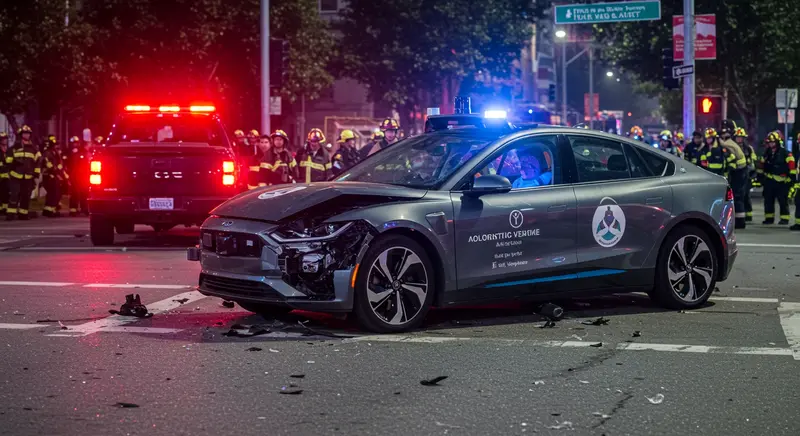
When an accident occurs, there is no distracted driver to blame, no reckless speeding, and no human oversight to hold accountable. Instead, the question shifts: who is responsible when technology fails? This debate continues to evolve as more states, including Colorado, prepare for a future where autonomous vehicles become common on the roads.
One of the main parties under scrutiny is the car manufacturers. Companies that produce autonomous vehicles could be held liable if there are design flaws that lead to accidents. For example, if a vehicle’s sensors fail to detect a pedestrian or misinterpret road conditions, the company that built the car might be responsible for the damages.
Manufacturers will need to prove that their self-driving cars meet rigorous safety standards and function reliably under various driving conditions. However, these systems depend on complex software to make decisions, and that leads to another potential liable party, which is the software developers.
Software developers play a crucial role in autonomous vehicle performance. They design the algorithms that allow cars to interpret their surroundings, make driving decisions, and react to unexpected situations. If an autonomous vehicle crashes due to a software glitch or miscalculated response, should the developers behind the code be held responsible?
This is a question that courts will need to answer as more incidents occur. Software updates may also play a role. If a vehicle operates safely but an update introduces an error that leads to an accident, the liability may shift to the company that provides the update rather than the car manufacturer itself.
Beyond manufacturers and developers, there is another factor to consider: the role of the government. Infrastructure plays a key role in autonomous vehicle functionality. These cars rely on clear road markings, well-maintained traffic signals, and digital mapping systems that communicate accurate data.
If poor road conditions, broken traffic lights, or misleading signs cause an accident, could liability fall on government agencies responsible for maintaining these systems? This is another gray area that lawmakers will need to address.
Some experts argue that vehicle owners should still bear some responsibility for their autonomous cars. While these vehicles operate independently, owners may still have a duty to maintain them properly. If an accident occurs due to neglected maintenance, such as failing to replace worn-out sensors or ignoring system updates, the owner could be held partially liable.
However, this raises another challenge: how much control does an owner truly have over an autonomous car’s decisions?
Colorado lawmakers will need to navigate these issues carefully. Liability laws must strike a balance between holding companies accountable for safety while ensuring vehicle owners understand their responsibilities.
As autonomous vehicles become more prevalent, legal frameworks must adapt to ensure protection for consumers while promoting innovation in transportation. The answers to these liability questions will shape the future of autonomous driving in Colorado and beyond.
Liability can be a major challenge in such cases. If you find yourself involved in such a case, consulting with an experienced Denver car accident lawyer can help you understand your best legal options.
Legal Precedents and Emerging Cases in Colorado
As autonomous vehicles are tested and deployed, courts across the country are beginning to see real legal cases emerge. Colorado is keeping a close watch on these developments. Some lawsuits have been filed against manufacturers for faulty software that caused accidents. Others involve insurance companies struggling to determine who should pay for damages when no human driver is at fault.
In some cases, governments have faced claims for failing to provide safe road conditions for autonomous vehicles. As these cases unfold, they will set important legal precedents that shape Colorado’s liability laws.
Future Legal Challenges and Policy Considerations
Colorado is adapting its laws for autonomous vehicles. Moving forward, lawmakers must address several critical issues. Insurance policies may need to change since traditional models assume drivers are responsible for accidents.
Transparency in data collection will be important, as crash investigations rely on vehicle logs and sensor data to understand what went wrong. Regulators must also set safety standards to minimize risks and ensure accountability.
Consumer protection laws will play a role in making sure buyers of autonomous vehicles are fully informed about potential risks. The road ahead is complex, but by addressing these challenges now, Colorado can prepare for the future of driving.
