
The Best AWD Sports Cars for Performance and Handling
AWD simply stands for All-Wheel Drive, which means the ability of a drivetrain to distribute power (or what we technically call torque) to all four wheels, equally both at the front and rear. This ability of AWD sports cars would drastically improve a vehicle’s overall handling. Still not got? Let us break this hard nut for you:
What Makes an AWD Sports Car Special?
AWD sports cars have this always-on drivetrain setup where engine torque is vectored to optimize lateral traction among the all four wheels across different drive situations. The AWD system constantly monitors wheelslip, throttle input and especially yaw rates to redistribute torque between the front and rear axles and even sometimes between individual wheels — with a goal to maximize wheel grip and stability.
However, this system comes in handy when there’s a need for real-time power modulation, especially on low-friction surfaces or instant acceleration to avoid wheelspin. From another viewpoint, it’s basically prioritized torque delivery to all wheels to ensure the highest coefficient of road surface friction.
In high-end sports car application, there are possibilities of rapid acceleration or even tighter cornering. Therefore, in such conditions, AWD helps the vehicle maintain a neutral and confident handling combined with lesser traction loss.
Since all four wheels are engaging and accelerating equally, it greatly reduces understeer and oversteer tendencies of the vehicle, which makes balanced weight transfer and improves overall cornering efficiency.
Differences Between AWD, RWD, and FWD Sports Cars
- All-Wheel Drive (AWD): In this configuration, the torque is distributed to all four wheels, which results in greatly improved wheel traction and stability. AWD sports cars have great acceleration and cornering capabilities in both wet and dry conditions. However, AWD systems are slightly less fuel efficient, but their performance outweighs these considerations for enthusiasts.
- Rear-Wheel Drive (RWD): In this configuration, the torque only goes to the rear wheels, which allows the front wheels to move freely. RWD cars have better handling dynamics. However, RWD cars can be prone to oversteer, where the rear end of the car can swing out during sharp turns.
- Front-Wheel Drive (FWD): In this configuration, the front wheels are responsible for both steering and accelerating the vehicle. FWD cars are cost-effective and have good traction in everyday driving conditions. However, during high-speed cornering, FWD cars can have understeer, where the vehicle tends to continue straight despite steering input.
Best AWD Sports Cars on the Market
Top Affordable AWD Sports Cars
One of the most affordable AWD sports cars for enthusiasts is:
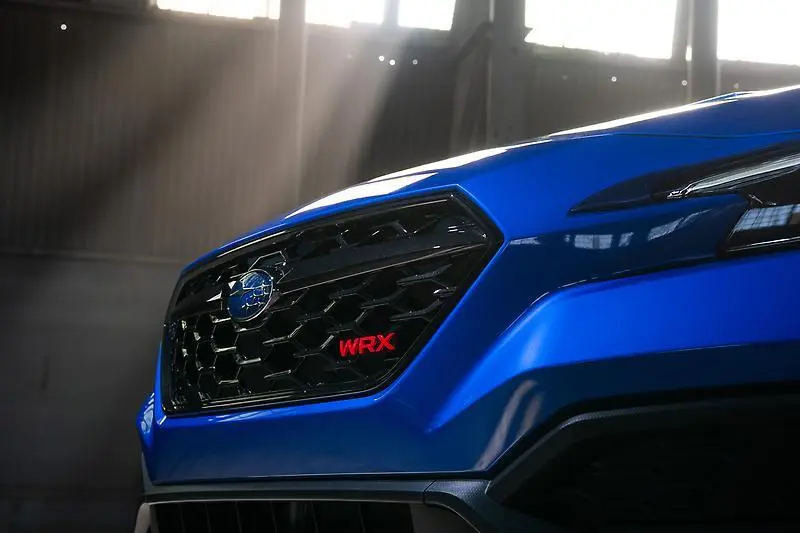
- 2025 Subaru WRX: The pricing starts at approximately $30,000. The WRX has a 271-horsepower engine with all-wheel drive configuration which helps it to achieve 0-60 mph in 5.5 seconds.
- 2025 Toyota GR Corolla: The pricing begins around $37,000. The GR Corolla features a 300-horsepower turbocharged engine with GR-FOUR torque-vectoring AWD system which makes it go from 0 to 60 mph in just 4.9 seconds.
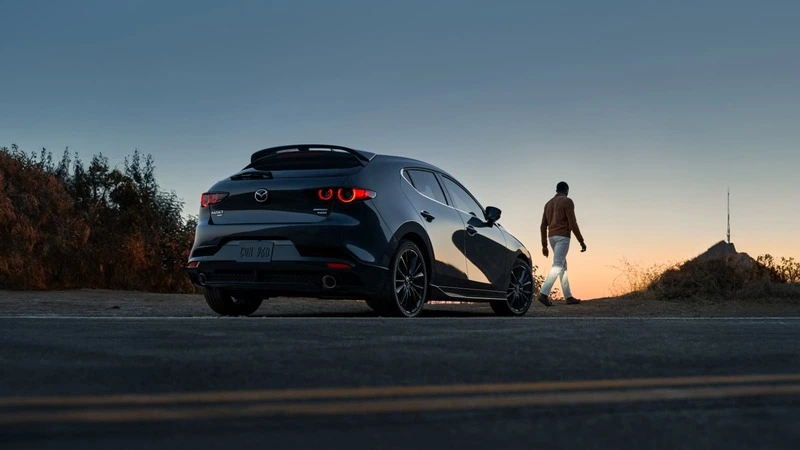
- 2025 Mazda3 Turbo Hatchback: The pricing starts from $33,000. The Mazda3 comes with a 250-horsepower turbocharged engine with standard AWD, combining practicality with race performance.
High-Performance AWD Sports Cars
These are top high-end AWD sports cars with higher performance:
- 2025 Lamborghini Revuelto: This 1000hp hybrid supercar comes with a 6.5-liter V12 engine with electric assistance and an eight-speed gearbox, delivering exceptionally balanced power through its all-wheel drivetrain.
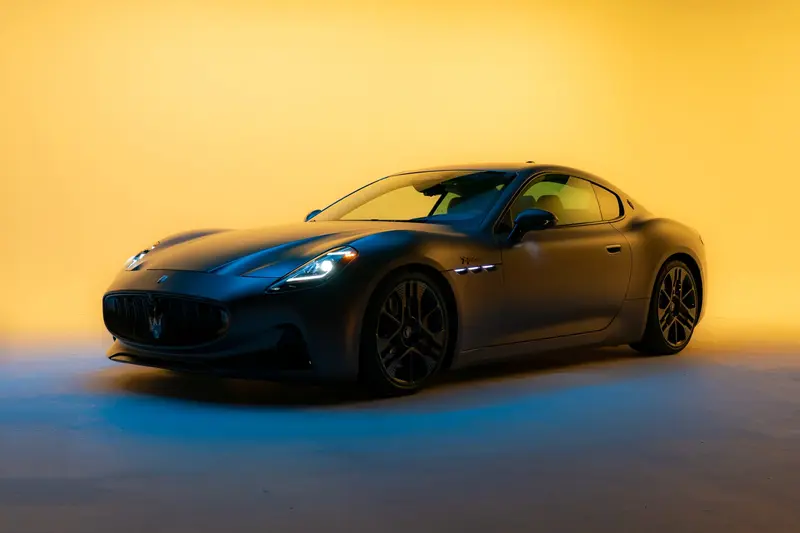
- 2025 Maserati GranTurismo Folgore: This is an incredible fully electric GranTurismo with three 300kW electric motors, producing nearly 761 horsepower and achieving 0-100 kph in 2.7 seconds through its all-wheel drive system.
- 2025 Audi S3: The Audi S3 comes with a 2.0-liter turbocharged inline-four engine with 328 hp and 295 lb-ft torque through its all-wheel drive system.
Luxury AWD Sports Cars for Enthusiasts
These are luxury AWD sports cars for those who want luxury alongside performance:
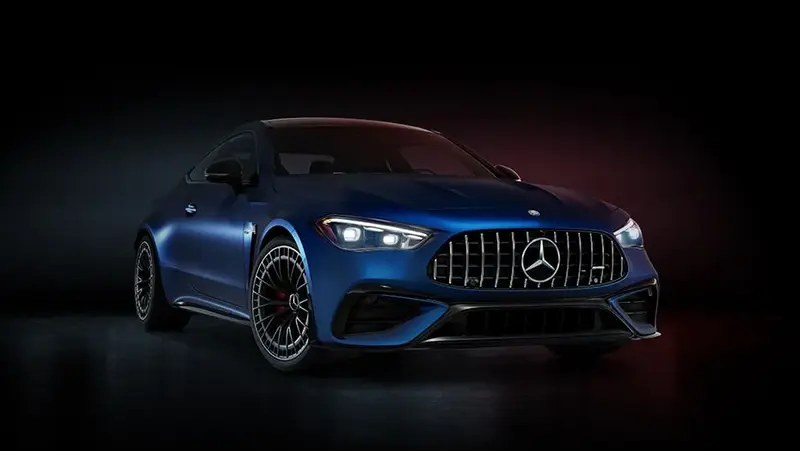
- 2025 Mercedes-AMG CLE 53: The pricing starts from $74,300. The CLE 53 comes with a 3.0-liter turbocharged inline-six engine producing 443 horsepower, offering an aggressive yet luxury driving experience.
- 2025 BMW 228i xDrive: This 228i xDrive comes with a price tag of $38,500. The car comes with a 2.0-liter four-cylinder turbocharged engine producing 228 horsepower with all-wheel drive, achieving 0-60 mph in 5.7 seconds.
- 2025 Kia Stinger GT-Line: The pricing starts at $37,585, the Stinger GT-Line has a 2.5-liter inline-4 turbocharged engine, producing nearly 300 horsepower and 311 lb-ft torque through its all-wheel-drive system and achieving 0-60 mph in 5.2 seconds.
Pros and Cons of Best AWD Sports Cars
Everything in this world comes with an advantage and disadvantage, and the all-wheel drive system is no exception. So, let’s look at their pros and cons in detail:
Advantages of All-Wheel Drive in Sports Cars
- Enhanced Traction and Stability: AWD systems distribute power to all four wheels, which makes your supercar have more traction, particularly when racing or in harsh weather conditions such as rain, snow, or ice. For someone who lives in snowy states, an AWD must be in the car.
- Improved Acceleration: AWD systems perfectly deliver power equally to both front and rear wheels, which improves acceleration performance — which can be easily observed during rapid starts.
- Better Handling: AWD systems make sure that power is distributed evenly to all wheels — which improves handling dynamics. For instance, AWDs show their real output on tighter cornering or driving on uneven surfaces.
Downsides of AWD Compared to RWD and FWD
- Increased Vehicle Weight: Since AWD systems have additional mechanical components, it adds more weight to the overall vehicle weight. It affects the fuel efficiency, instant acceleration, and handling agility as compared to RWD or FWD configurations.
- Higher Maintenance and Repair Costs: In case you ever need to repair your AWD systems, the maintenance and repair cost would be generally higher than simpler RWD and FWD systems.
- Reduced Fuel Efficiency: AWD vehicles have more mechanical drag of powering all four wheels, which results in slightly reduced fuel efficiency. Drivers can clearly see the difference in higher fuel consumption compared to similar models.
- Increased Initial Purchase Price: AWD Vehicles typically have a higher initial purchase price due to their added technology and additional mechanical components — which leads to this increased cost.
How to Choose the Right AWD Sports Car for You
If you are planning to buy an all-wheel-drive (AWD) sports car, there are many key considerations, and factors that you should take care of while making a purchase decision. Some of these factors to consider are:
Factors to Consider – Power, Price, and Handling
- Pricing & Resale: AWD sports cars have more complex mechanical components that add more to vehicle cost but retain more resale value. For instance, the Subaru WRX, which starts at $32,000. According to reports, the same model 3-year-old WRX retains almost 70% of its original price.
- Power: AWD sports cars are known for their improved traction and stability by distributing torque to all four wheels. This configuration greatly improves the acceleration and control in conditions, such as rain or snow.
- Handling: One of the main advantages of AWD in sports cars is the improved handling. It reduces both understeer or oversteer, providing a balance and controlled driving. For instance, the Nissan GT-R with its ATTESA E-TS AWD system, performed very well in cornering, which allowed drivers to maintain control even when taking sharp turns at high speeds.
Should You Buy New or Used AWD Sports Cars?
New AWD Sports Cars:
Pros:
- Latest Features: New AWD supercars are coming with more upgraded technology and safety features such as airbags — which offer a modern and high-tech driving experience.
- Warranty Coverage: As we all know, newer vehicles come with a certain years of comprehensive warranty, which can reduce any potential repair costs in the initial years.
Cons:
- Higher Depreciation: Every new vehicle experiences significant depreciation within the first few years, no matter if they are AWD or FWD.
- Increased Costs: AWDs have complex systems which may come with higher upfront prices and the possibility of higher insurance costs.
Used AWD Sports Cars:
Pros:
- Cost Savings: Buying a used car can easily save you money — because the previous owners have already faced initial depreciation in the first few years of purchase.
- Value Retention: Used cars that have already depreciated their value in the first five years, will depreciate further at a slower rate compared to new ones.
Cons:
- Potential Maintenance Costs: Used cars may require some periodic maintenance or even mechanical repair expenses due to the vehicle’s age and condition.
- Limited Warranty: Used cars with limited or no warranty coverage can lead you to pay for any repair cost that a newer car will cover in its company warranty.
Conclusion
AWD sports cars have better traction, improved acceleration, and better handling — which make it an ideal choice if you are particularly looking for performance driving. However, an AWD car might come with trade-offs like increased weight, higher repairing costs (only if buying a used one), and slightly lower fuel efficiency. But, that’s totally acceptable if you are living in a snowy state. Last but not the least, a car depends on your individual budget and driving needs.
Frequently Asked Questions
Some of the best AWD sports cars under 50 grand are Subaru WRX, Audi S3, and Ford Focus RS.
Undoubtedly, AWD cars have better traction and control compared to RWD cars.
The Tesla Model S Plaid has the electric motors pushing around 1,000 horsepower in an AWD setup.
Yes, AWD sports cars have better traction and controlled stability which makes them safer for snowy and icy roads.
AWD is an always-on drivetrain system, while 4WD has a typically manual switch and is purely designed for off-road use.
