
Avoiding Common Pitfalls When Buying a Used Car
Saving thousands on your next car purchase isn’t complicated.
In fact, it starts with a simple rule:
Make sure you know what you’re doing.
Buying a used car is the smart financial move. Purchasing a used vehicle at the right place gives you access to certified pre-owned programs with full warranties and comprehensive pre-purchase inspections.
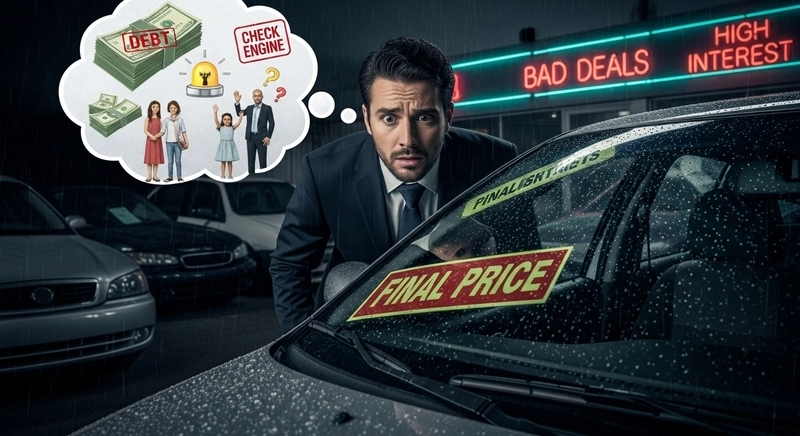
But buying a car at the wrong place without inspections or research could also cost you more than you bargained for in the long run.
Buying a used car is one of the easiest ways to lose money if you don’t know what you’re doing.
Thousands of new buyers every year make the same mistakes buying used cars from dealerships. They miss crucial steps, ignore warning signs and walk away with a lemon from the car lot.
This article breaks down the most common used car buying mistakes and gives you step by step instructions to avoid them.
You’ll learn:
- Why Used Cars Make Sense
- Inspection Mistake That Costs Thousands
- Avoid Being Taken For A Ride On Financing
- Research Mistakes That Lead To Buyer’s Remorse
- Smart Test Drive And Negotiation Tips
Before we dig into the don’ts, let’s answer one question:
Why Buying Used Makes Perfect Sense
Used cars are simply cheaper than new ones. According to current market research, the average listing price on a used car dealer website is about $25,721. Compare that with nearly $47,000 for a new car and you have the math to significant savings. You could even say that buying used makes perfect sense for most families.
But savings isn’t the only benefit.
Used cars from quality used car dealers also come with certified pre-owned programs that offer comprehensive inspections and a used car warranty that protects you from unexpected repairs. That means access to professional inspections and dealer warranties that give you peace of mind.
Buying used cars make more sense than ever before.
Used cars outsell new cars by almost 3 to 1. 2024 will be no different. The dealership sales stats have well over 16 million used vehicles sold annually. And 73% of American car buyers say that they’re open to the idea of a used car.
The Inspection Mistake That Costs Thousands
If there’s one used car buying mistake to avoid, it’s this one…
Neglecting a professional pre-purchase inspection.
I’ve seen people lose thousands just by trusting a pleasant test drive and the shiny exterior of the car.
Here’s why that can be a bad idea.
A short test drive isn’t going to tell you much.
Things like worn brake pads, a problematic transmission, or a damaged engine block won’t be obvious during a quick drive around the block. They’ll show up weeks or months after you’ve signed the sale agreement.
Get an independent mechanic to inspect any used car you’re considering before you buy. Expect to pay between $100 and $200 for a full inspection. That’s small price to pay compared to a $3,000 transmission replacement or $1,500 brake job.
The inspection should include the engine, transmission, suspension, brakes, and electrical systems. Your mechanic should also be on the lookout for signs of previous accidents or flood damage.
Recommendations from friends or online reviews are great ways to find a reputable mechanic. Don’t be afraid to spend the money on this inspection.
The upfront cost could be the difference between buying a great used car and a lemon.
How To Avoid Getting Ripped Off On Financing
Now let’s talk about the not-so-obvious mistake that can cost you even more.
Dealer financing.
Here’s the secret:
Auto dealerships make more profit on financing than they do on the sale of the car. They also know that buyers are likely to focus on monthly payments instead of the real total cost.
If you negotiate a 72-month or 84-month loan term to lower the monthly payment, you’re signing up for much more in interest over the life of the loan.
The solution is simple.
Get pre-approved financing from your local bank or credit union before you even step foot on a car lot. This gives you a solid budget to work with, negotiating power, and protection against predatory lending tactics.
Shop around for the best interest rates and always choose the lowest loan term you can comfortably afford. Don’t get hooked by those “free” or “low monthly payment” offers on dealer financing. Your bank will almost always beat their offers.
If the dealership can’t meet or beat your rate, just walk away.
Add-ons like extended warranties and paint protection are sneaky ways they add thousands to the final price.
Research Mistakes That Lead To Buyer’s Remorse
This one surprises most people.
Research.
More specifically, doing no research.
Used car buying mistakes don’t happen by accident. In fact, when you don’t know what you’re doing, the most common mistake is to start the process without research and ask questions.
Before you fall in love with one specific car, you need to understand the true value, common problems, expected maintenance costs and reliability ratings of that make and model. These resources and checklists will keep you from making costly mistakes in your car buying process.
Make sure you know the fair market value of the car you’re interested in by using sites like Kelley Blue Book. This will also keep you from overpaying because you’ve fallen in love with a specific vehicle.
Ask for the vehicle history report using the VIN number before you set eyes on a car.
Services like CARFAX can reveal past accidents, flood damage, title history, number of owners and service history. Red flags include multiple owners in a short time frame or periods of no maintenance.
Checking the VIN against recalls is an important safety step. Unresolved safety recalls are a serious red flag. Every make and model has known problems. Understanding what those issues are helps you avoid certain vehicles or negotiate a better price.
Finally, read owner reviews and forums online.
Find people who’ve owned your car of interest for at least 1 year.
The Test Drive Mistakes Everyone Makes
Think a few minutes driving around the block is a good test drive?
A proper test drive will take at least 30 minutes.
Drive on a highway, city roads and stop-and-go traffic. Evaluate the performance of the car as you drive. Are there unusual noises? Does it accelerate and brake smoothly? How is the handling?
Turn the radio off and pay attention to the engine sounds. Listen for any strange noises that could indicate more serious problems.
Bring someone else with you when you test drive.
A second pair of eyes will catch problems you might not see when you’re driving. Plus, it’s a good idea to never buy a car before you see it.
Negotiation Errors That Cost You Money
The truth is, most people walk into negotiations unprepared and leave overpaying.
The sticker price isn’t your final price. It’s just the starting point in the negotiation.
Do your homework on pricing and walk in with real data. Knowing the real value of similar cars in your area gives you real negotiating power.
Ignore the limited time offers and claims that someone is waiting in the showroom. These are classic sales tricks to pressure you into a hasty decision. Be willing to walk away if the deal isn’t right.
Negotiate the total price of the vehicle. Monthly payment can be negotiated after the total price is set. If you have a car to trade in, that negotiation should be kept separate as well.
Wrapping Up
Buying a used car doesn’t have to be frustrating.
As long as you know the most common mistakes to avoid and take the necessary precautions, you’ll be on your way to the perfect vehicle at the right price.
Avoid these used car buying mistakes.
Get professional inspections, secure your own financing, and do your research before you take a test drive. Check the vehicle history report and be patient, thorough, and willing to walk away from a bad deal.
The right car is waiting for you.
