
The True Cost of a Car Accident Beyond Vehicle Repairs
Ever wonder what a car accident actually costs you?
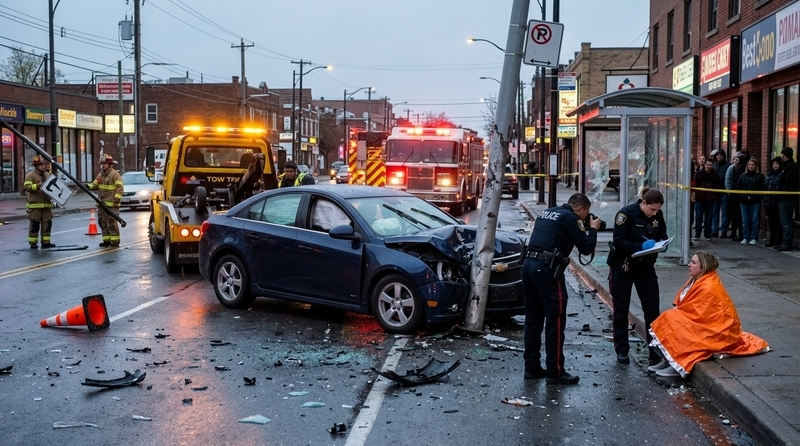
When most people think about auto body repairs they envision the crumpled bumper and trip to the body shop. However …. that repair estimate only scratches the surface.
The true cost often rears its ugly head later. In your paycheck. In your savings. In bills that continue to arrive weeks after your car is running again.
The statistics are mind-boggling. The National Highway Traffic Safety Administration determined that crashes amounted to $340 billion in costs to society just last year. That breaks down to about $1,035 per citizen.
The good news?
Once you know where hidden charges originate, you can defend yourself and get what you are really owed.
Lost wages while recovering from an injury. If you break your wrist or suffer a bad back injury you may be unable to work for weeks. That lost paycheck can add up quickly. Filing a lost wages claim can help victims of accidents recoup those lost earnings. However, accounting for every lost dollar can be difficult. Missing paystubs, lost shifts, overtime, and future lost wages will need to be calculated and documented.
One error can reduce your overall payout. For this reason many people speak to a lawyer before accepting an unfair settlement from an insurance company. A well-documented lost wages claim is worth far more than your car ever was.
So let’s break down where the money really goes.
What you’ll uncover:
- The Hidden Costs Nobody Warns You About
- Lost Wages: The Paycheck You Never See
- Medical Bills That Keep Coming
- The Long-Term Price Tag
- How To Protect Your Wallet
The Hidden Costs Nobody Warns You About
Auto repair is easy. The shop gives you a quote. The shop fixes cars. You pay the bill. Finished.
However, a collision can trigger a domino effect of costs that few drivers anticipate.
Think about it…
The rental car while yours is in the shop. The insurance deductible. The tow truck. Skyrocketing premiums that sneak up on you at renewal time. They don’t show up on a repair estimate, but they do come directly from your wallet.
And those are just the small costs.
The two biggies — medical expenses and lost wages — are where the financial hardship really starts.
Lost Wages: The Paycheck You Never See
The Opportunity Cost.
The income you miss out on while recovering.
An injury lays you up at home. The rent doesn’t care. Neither do groceries. But your income is just flat-lines. If you’re an hourly employee or living paycheck to paycheck, two weeks away from the job can feel catastrophic.
Nor does it usually end after a few weeks. Serious injuries can keep a person out of work for months. Sometimes people never return to their pre-accident job. That lost income is real money — money that belongs in every claim.
And it’s not money worth throwing away. The CDC estimates that an injury that requires hospitalization costs victims about $7,820 in lost wages, aside from medical expenses.
This is exactly where a lost wages claim matters.
A correctly handled lost wages claim should include not only the obvious days you were out of work. You may also be able to include:
- Overtime and bonuses you would have earned
- Sick days or vacation time you were forced to burn
- Future income if your injury keeps you out long-term
- Lost earning potential if you can’t return to the same job
The catch? Insurance companies don’t just hand this money over. You have to document it, prove it and ask for it — which is why so many victims shortchange their own claim.
Medical Bills That Keep Coming
A car accident injury isn’t a one-time expense.
Yeah, first you got the emergency room bill. Then there are the follow-up visits. Physical therapy. Drugs. That specialist who needs “one more scan.”
For serious injuries, these costs stretch on for months — sometimes years.
Here’s the kicker: health insurance doesn’t mean you don’t get hit with outrageous out-of-pocket costs. From co-pays, to deductibles and non-covered treatments, it all adds up. If you’re not working and losing income, how are you supposed to pay your bills?
That’s what makes a crash so cruel. The bills pile up just when your wallet empties. And the longer rehab takes the greater the disparity.
The Long-Term Price Tag
Some costs don’t show up for a long, long time.
A back or neck injury may feel fine for a few years, only to re-aggravate into a chronic issue later on down the road. Cars which incur damage from serious accidents usually lose value when sold – even if the damage isn’t visible. Plus, distracted driving is expected to cost $98 billion annually, showing how costly car accidents can be.
Then there’s the toll that doesn’t fit neatly on a spreadsheet:
Stress and anxiety behind the wheel
- Missed time with family
- The mental strain of fighting insurers
These don’t come with a receipt. But they’re very real costs all the same.
How To Protect Your Wallet
How do you keep up with all of this stuff? It’s easy. Just get organised early.
Start by doing these things right away:
- Keep every receipt — medical, rental, towing, all of it.
- Track your missed work in writing, including hours and pay.
- Save all documents from doctors and insurers.
- Don’t accept the first offer the insurance company makes.
Drivers who write down everything and follow through are almost always the ones who make the biggest recoveries. Paperwork matters.
A vehicle collision is never about the vehicle. It’s what comes after… and being prepared for it.
Adding It All Up
The dent in your bumper may be the most obvious expense, but it’s seldom the most painful.
The real cost of a crash isn’t car repairs. It’s lost wages, mounting medical bills and long-term suffering that lasts weeks, months. Fixing your car is the easy thing. Everything else is a battle.
So remember:
- The repair bill is only the beginning
- Lost wages can dwarf the cost of the car
- Medical bills keep coming long after the crash
- Documenting everything protects what you’re owed
If you plan your recovery as if it’s the financial event that it is, you’ll emerge on the other side much healthier – financially and physically.
