What to Study for a Career in Motorsport Management
Have you ever watched a race and wondered who actually runs everything behind the scenes? Drivers take the spotlight, yet entire teams manage logistics, budgets, and strategy to keep things moving. Motorsport is as much about planning as speed. In this blog, we will share what to study for a career in motorsport management and how to prepare for a fast-moving, competitive field.
Understanding the Business Behind the Race
Motorsport may look like pure adrenaline, yet it runs on structure and planning. Every race involves budgets, sponsorships, travel coordination, and strict regulations. Studying business fundamentals gives you a clear entry point into this world.
Courses in business management, finance, and marketing build the base. You learn how money flows through an organization, how teams secure sponsors, and how branding shapes public perception. These areas matter because motorsport teams operate like businesses, balancing performance with financial survival.
Recent trends show how important this balance has become. Rising costs in racing, combined with global economic pressure, have forced teams to manage budgets carefully. Even top-level competitions now focus on cost control, which means management skills carry as much weight as technical knowledge.
Understanding contracts and negotiations also plays a role. Drivers, sponsors, and vendors all operate through agreements, and knowing how to handle these relationships helps keep operations smooth. Without this knowledge, even strong teams can struggle to stay competitive.
Choosing the Right Specialized Path
While general business knowledge provides a foundation, motorsport management often requires specialized education. Many students consider advanced programs such as a masters in motorsport management because these courses focus directly on the industry and its unique demands.
These programs cover topics like race operations, team coordination, and event planning. They also introduce students to the regulatory side of motorsport, which includes safety rules, licensing, and compliance standards. This knowledge becomes essential when working within professional racing environments where precision matters.
The appeal of specialized study has grown alongside the global expansion of motorsport. New racing series, international events, and digital platforms have created more opportunities, but they have also increased competition. Having focused education helps you stand out and understand the industry faster.
At the same time, these programs often include networking opportunities. Meeting professionals, attending events, and connecting with teams can open doors that are difficult to access otherwise. In a field where connections matter, this exposure becomes a major advantage.
Learning How Teams Actually Operate
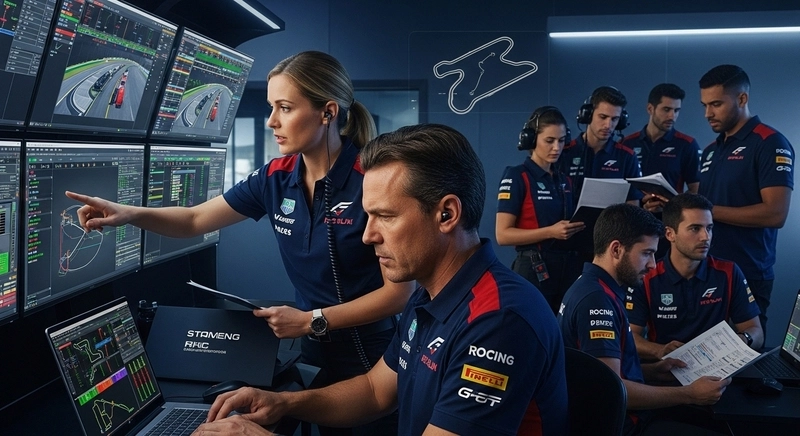
Motorsport teams function under pressure, with tight schedules and high expectations. Studying operations management helps you understand how to keep everything running smoothly during these conditions.
Courses in logistics and project management teach how to coordinate travel, equipment, and schedules. Racing teams move across countries, sometimes continents, which requires careful planning. Missing a deadline or misplacing equipment can disrupt an entire event.
Understanding team structure also matters. Engineers, mechanics, drivers, and managers all have specific roles, and their work must align. Learning how to manage these roles ensures that everyone moves toward the same goal.
This aspect of study reflects broader workplace trends. Many industries now rely on cross-functional teams, where different departments must collaborate closely. Motorsport provides a clear example of how this coordination works under pressure.
Building Communication and Leadership Skills
Strong communication sits at the center of motorsport management. Clear instructions, quick updates, and steady coordination keep teams focused during fast-paced events. Studying communication and leadership helps you handle these demands.
Leadership courses often focus on decision-making, conflict resolution, and team motivation. These skills become critical when dealing with high-pressure situations, such as race-day adjustments or unexpected challenges.
Recent shifts in workplace culture have made these skills even more important. Teams now expect leaders who listen, adapt, and communicate clearly rather than simply give orders. Motorsport reflects this change, as collaboration often leads to better results than rigid control.
Practical experience also plays a role here. Group projects, internships, and real-world scenarios help you practice communication in situations that feel close to actual work environments.
Understanding Technology and Data in Motorsport
Technology has become a major part of motorsport. Data analysis, performance tracking, and simulation tools now influence how teams prepare and compete. Studying basic technical concepts helps you work effectively with these systems.
You do not need to become an engineer, yet understanding how data shapes decisions can improve your role as a manager. Courses in analytics or technology management provide insight into how information is used to improve performance.
This trend reflects changes across industries. Data-driven decision-making has become standard, and motorsport stands at the front of this shift. Teams rely on real-time data to adjust strategies, which means managers must understand how to interpret and apply this information.
Staying updated with technology also helps you remain competitive. As tools evolve, so do the expectations placed on professionals within the field.
Gaining Real-World Experience Early
Education provides knowledge, yet experience brings that knowledge to life. Internships, volunteer roles, and entry-level positions help you understand how the industry operates beyond the classroom.
Working at events, assisting teams, or supporting race operations exposes you to the pace and demands of motorsport. These experiences often reveal challenges that are difficult to understand through study alone.
Networking plays a major role here. Meeting people within the industry can lead to opportunities that are not publicly advertised. Building these connections early helps you move forward more quickly.
This approach aligns with current trends in career development. Employers increasingly look for candidates who combine education with practical experience. Having both strengthens your position and shows that you can apply what you have learned.
Adapting to a Competitive and Evolving Field
Motorsport continues to evolve, influenced by new technologies, environmental concerns, and changing audience expectations. Electric racing series, sustainability initiatives, and digital engagement have reshaped how the industry operates.
Studying these trends helps you stay relevant. Courses that focus on sustainability, innovation, or media can provide insight into where the industry is heading. Understanding these shifts allows you to adapt your skills and remain valuable.
Competition within the field remains high, which means continuous learning becomes essential. Staying informed, updating your knowledge, and building new skills keep you prepared for future changes.
Pursuing a career in motorsport management requires more than passion for racing. It demands a mix of business knowledge, specialized study, practical experience, and the ability to adapt to change. When these elements come together, they create a path that moves beyond the track and into the systems that make racing possible.
