
How Cargo Weight Sensors and Load Tracking Technology Influence Fault Decisions in Highway Crash Investigations
Modern freight vehicles carry more technology than ever before. Many trucks now use digital tools that track weight, cargo movement, and load distribution. These systems quietly record information that becomes important in the event of a crash. Their data often becomes valuable to any experienced lawyer for truck collisions, reviewing what went wrong.
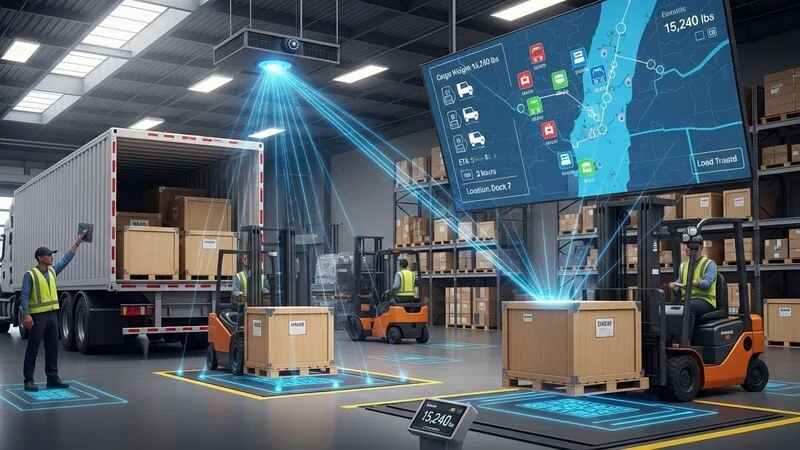
The Rise of Digital Tracking in Commercial Freight
Trucking companies have adopted advanced tools to improve safety. Cargo sensors measure how much weight a truck is carrying and how that weight shifts during a trip. Load tracking systems record changes that may affect stability.
These tools help drivers understand how their cargo behaves on the road. They also provide companies with insights that improve their safety procedures. This information becomes essential after an accident.
Investigators rely on these digital records to understand the vehicle’s condition before the crash. They can see whether the load was secure or if it caused instability. This creates a clearer picture of what happened.
Why Cargo Weight Matters in Highway Crashes
Uneven weight distribution can make a truck difficult to control. If the cargo shifts even slightly, the truck may become unstable. This can increase the chance of tipping or swerving.
Overloaded trucks face additional challenges. They require longer stopping distances and may put pressure on critical components, such as brakes. These risks increase the likelihood of accidents when loads are not managed correctly.
Weight sensors show whether a truck is within safe limits. They reveal whether the cargo was balanced or dangerously uneven. This becomes important when assigning responsibility.
How Sensors Detect Dangerous Load Shifts
Cargo sensors monitor movement within the trailer. They record sudden shifts, gradual changes, and unusual patterns. These signals help drivers and companies identify issues before they become serious.
If a shift happens during the trip, the system logs the event. Investigators can review these logs after a crash to determine whether the cargo moved at a critical moment.
This information helps explain why the driver may have lost control. It also shows whether the cargo was appropriately secured. This level of detail was not available in older investigations.
Load Tracking and Real-Time Monitoring
Many modern trucks use real-time systems that send information to a central hub. These systems track weight changes and temperature variations. They also report if the trailer opens unexpectedly.
Real-time monitoring helps companies respond quickly to problems. If a load becomes unstable, the company may contact the driver. This may prevent a crash.
When a crash does occur, the stored data becomes evidence. It reveals whether warnings were received and whether they were ignored. This can influence fault decisions.
Understanding the Role of Human Error
Human error plays a significant role in many crashes. Improper loading, failure to check weight limits, and rushed schedules all contribute to accidents. Sensors help show whether human oversight played a part.
If data reveals that a truck was overloaded, the loading team may be responsible. If warnings were ignored, the responsibility may shift to the driver.
This information helps investigators avoid assumptions. They can rely on accurate data rather than conflicting statements. This leads to fairer decisions.
How Technology Helps Identify Mechanical Stress
Uneven cargo distribution can strain a truck’s components. Brakes, tires, and suspension systems may wear down faster. These issues can contribute to crashes if not inspected regularly.
Load-tracking systems may indicate when mechanical stress increases. They help identify when a truck was forced to handle more weight than it was designed to.
This information helps determine whether the company failed to properly maintain the vehicle. It also helps identify whether the crash was caused by equipment issues rather than driver error.
The Value of Digital Timelines
Cargo systems generate detailed trip timelines. They show when weight was added, when problems occurred, and how long the truck traveled under risky conditions.
These timelines allow investigators to recreate events. They can examine how the situation developed over time.
This helps highlight patterns that might otherwise go unnoticed. It provides a stronger foundation for understanding the crash.
How Investigators Use This Data in Complex Cases
Some highway accidents involve multiple vehicles. In these situations, determining fault becomes difficult. Cargo data helps clarify whether the truck played a direct or indirect role.
If a truck became unstable due to a shifting load, the data will show it. If the load caused the truck to swerve, investigators can connect the dots.
This helps establish responsibility more accurately. It ensures that all contributing factors are considered.
Final Thoughts
Cargo sensors and tracking tools are reshaping how highway crashes are understood. They provide valuable evidence that explains how loads behaved before and during an incident. This information helps determine responsibility with greater accuracy. It has also become an essential resource for any experienced lawyer for truck collisions seeking clarity in complex cases.
