
Failed a Field Sobriety Test? Here’s Why It May Not Hold Up in Court
You see the flashing lights in your rearview mirror, your heart races, and suddenly you’re standing on the side of the road trying to walk a straight line while a police officer watches your every move. Field sobriety tests feel intimidating and official, but here’s something most people don’t know: these roadside tests are far from foolproof. That’s exactly why experienced criminal defense and DUI lawyers often challenge their reliability in court. The truth is, dozens of factors can cause you to “fail” these tests even when you’re completely sober. This article will show you the legal defenses available when field sobriety test evidence is used against you.
What Are Roadside Field Sobriety Tests
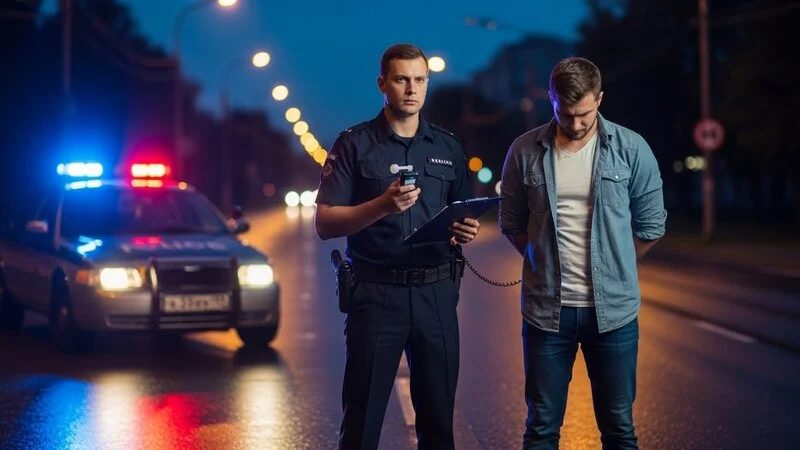
Roadside field sobriety tests are simple exercises officers use to check if a driver might be impaired. The most common ones include walking in a straight line, standing on one leg, and following an object with your eyes. They are meant to give officers a quick idea of coordination and balance, but they are not foolproof indicators of intoxication.
Why Field Sobriety Tests Can Be Unreliable
Field sobriety tests might seem straightforward, but there are many factors that can affect how someone performs. Here are some common reasons they are not always accurate:
Environmental Factors
Conditions at the roadside can make these tests much harder than they appear. Uneven pavement, poor lighting, or bad weather can all throw off your balance and coordination, even if you are completely sober.
Physical Conditions
Age, injuries, or medical issues can impact your ability to perform the exercises. For example, joint pain, inner ear problems, or even just fatigue can make walking in a straight line or standing on one leg challenging.
Stress and Nervousness
Being stopped by police is stressful, and stress alone can affect your performance. Nervousness, anxiety, or rushing through the tests can cause mistakes that have nothing to do with alcohol or drugs.
Limited Scientific Accuracy
These tests are designed to give a quick impression, not a precise measurement of impairment. Research shows that even sober individuals can fail them under the right conditions, so results are not always reliable in court.
Officer Error
Improper administration by the officer can also lead to misleading results. Misunderstandings, inconsistent instructions, or subjective judgments can all affect how the tests are scored.
Common Legal Defenses Against Field Sobriety Test Results
Failing a roadside field sobriety test does not automatically mean a DUI conviction. There are several ways a skilled lawyer can challenge the reliability of these tests:
Improper Administration by the Officer
Officers are required to follow strict procedures when conducting field sobriety tests. If instructions were unclear, the test was rushed, or steps were skipped, a lawyer can argue that the results are unreliable.
Environmental Conditions
Weather, uneven surfaces, poor lighting, or road hazards can all affect performance. A lawyer can highlight how these factors may have caused mistakes that had nothing to do with alcohol or drug use.
Physical or Medical Limitations
Certain health conditions, injuries, or even age-related issues can make balancing and coordination difficult. Expert testimony can show that poor performance was caused by these limitations rather than impairment.
Stress and Nervousness During the Stop
Being pulled over is inherently stressful, and stress can lead to shaky hands, stumbling, or losing focus. Attorneys can argue that nervousness alone could have caused the errors noted by the officer.
Questioning the Scientific Accuracy
Field sobriety tests are designed to give a quick impression, not a definitive measurement of intoxication. Lawyers can reference research showing that even sober individuals can fail these tests under normal conditions.
Use of Expert Witnesses
DUI attorneys often bring in experts such as toxicologists or accident reconstruction specialists. These experts can challenge the interpretation of the test results and explain to the court why the results may be unreliable.
Why You Should Not Rely Only on Test Results
Field sobriety tests are just one part of a DUI investigation and do not tell the whole story. Other evidence like breathalyzer or blood test results, officer observations, and circumstances of the stop all matter too. Failing a roadside test does not automatically mean you will be convicted, so it is important to get professional legal guidance.
Steps to Take If You Fail a Field Sobriety Test
Failing a field sobriety test can be stressful, but how you respond at the scene and afterward can make a big difference. Here are some important steps to protect your rights and build your defense:
Stay Calm and Polite
Remaining calm and respectful during the stop helps avoid escalating the situation. Arguing or acting aggressively can make the officer less sympathetic and may be noted in their report.
Do Not Admit Guilt
It can be tempting to explain yourself or apologize, but admitting guilt at the scene can be used against you later. Simply cooperate with lawful instructions without volunteering information that could hurt your case.
Document the Details
As soon as you are able, write down everything you remember about the stop, including the location, road conditions, officer behavior, and any witnesses. These details can be valuable when reviewing the case with your attorney.
Request an Experienced DUI Lawyer
Contacting a skilled DUI attorney as soon as possible is crucial. They can evaluate the evidence, challenge unreliable test results, and guide you through legal procedures to protect your rights.
Follow Legal Procedures
Attend all court dates, hearings, and DMV appointments on time. Failing to comply with procedural requirements can lead to additional penalties or weaken your defense.
Conclusion
Facing a failed field sobriety test can feel overwhelming, but it does not have to determine the outcome of your case. Criminal defense and DUI lawyers can help you challenge unreliable test results, protect your rights, and guide you through every step of the legal process. With the right support, you have a real chance to achieve the best possible outcome.
