
How Late-Night or Low-Light Conditions Affect Fault Determination
Accidents that occur at night or in low-light conditions pose unique challenges for establishing fault. Reduced visibility, glare from oncoming headlights, and poorly lit roads can create situations where even attentive drivers struggle to respond in time. Understanding how these conditions influence liability is essential, and those exploring legal options for car crash victims benefit from professional guidance to ensure their rights are protected.
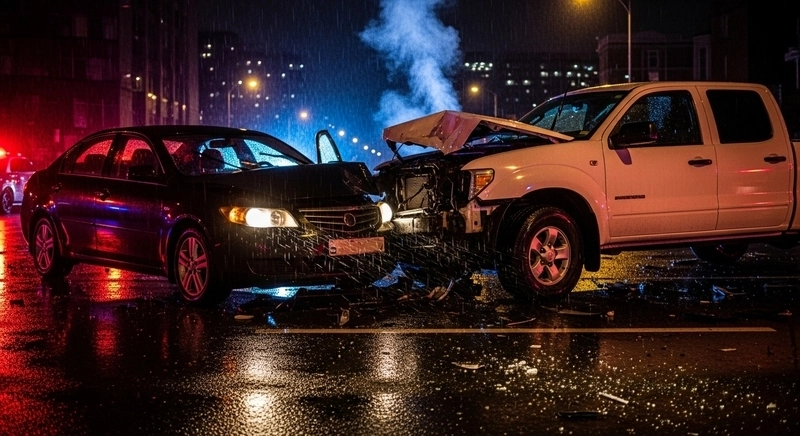
Challenges of Reduced Visibility
Drivers are affected by low light in several ways. Road markings may be difficult to see, street lighting may be inconsistent or nonexistent, and headlight glare can momentarily blind oncoming traffic. These elements can impede reaction time, obscure obstacles, and make it difficult to judge speed and distance accurately. Even careful drivers and well-maintained cars may find themselves in circumstances where collisions are practically inevitable.
Finding faults is made more difficult by environmental factors such as weather, faded lane lines, and inadequate signage. Lawyers with experience in nighttime incidents closely examine these factors to determine how they contributed to the accident and whether negligence was a factor.
How Fault Is Assessed in Nighttime Accidents
Determining liability involves far more than deciding who had the right of way. Investigators and attorneys look closely at several factors:
- Vehicle Condition and Lighting: Headlights, taillights, and turn signals must be in proper working order. If any of them aren’t, responsibility can shift.
- Driver Behavior: Speed, attention, possible impairment, and overall compliance with traffic laws are all examined, especially when visibility is limited.
- Road Conditions: Hazards like poor lighting, debris, or uneven pavement can affect how a reasonable driver would be expected to react.
Strong evidence makes a significant difference. Photos of the scene, dashcam video, witness accounts, and expert reconstruction can show how lighting influenced what drivers saw and how they responded. These details often play a critical role when presenting a claim to insurers or in court.
Common Misconceptions About Nighttime Liability
Many people assume that the more experienced driver or the one with better lighting will automatically be found at fault in a nighttime crash, but it’s rarely that simple. When several issues contribute to a collision, responsibility can be divided, and each driver’s actions may be weighed under comparative negligence laws. Mechanical or environmental problems—like worn tires, poorly maintained roads, or faulty headlights—can also influence how fault is assigned.
A skilled attorney can sort through these details to make sure victims aren’t unfairly blamed for conditions they couldn’t control. Sound legal guidance helps present a clear picture of all contributing factors and supports a fair outcome.
Why Legal Representation Matters
Nighttime accidents often involve additional layers of complexity compared to daytime collisions. Legal professionals assist by:
- Collecting and preserving evidence from the scene, including photos, reports, and witness statements.
- Consulting accident reconstruction experts to analyze how visibility affected driver response.
- Evaluating comparative negligence and advocating for fair compensation based on each party’s responsibility.
Without competent legal counsel, victims risk accepting settlements that undervalue hidden damages, such as lost wages, ongoing medical care, or auto repairs, or that do not fully account for the extent of the accident.
Protecting Your Rights After a Low-Light Collision
After a nighttime or low-light accident, victims should act immediately to protect their interests. This entails gathering medical assessments, recording environmental conditions, and documenting the scene. Any changes to the road or lighting conditions should be recorded, and witness statements should be gathered as soon as possible. Early legal advice ensures that all relevant factors are considered and that the claim accurately captures the facts of the incident.
Final Thoughts
Accurate fault determination in low-light or nighttime accidents necessitates careful consideration of mechanical, human, and environmental factors. Liability assessment can be complicated by poor visibility, glare, and road conditions, but cautious documentation and expert legal advice help guarantee a fair result. Those exploring legal options for car crash victims benefit from expertise that accounts for all contributing factors, protects their rights, and secures compensation that reflects both immediate and long-term impacts of the collision.
