
What a Flickering Check Engine Light Means During Acceleration
A check engine light that flickers while accelerating is one of the most important warnings your vehicle can give you. Unlike a steady light, a flicker often points to an active, potentially severe issue occurring in real time. Addressing the problem quickly can prevent costly repairs and protect your vehicle from long-term damage, especially when you may later need legal help following a vehicle collision. Paying attention to this early warning sign supports safer driving conditions and helps you stay informed before problems escalate.
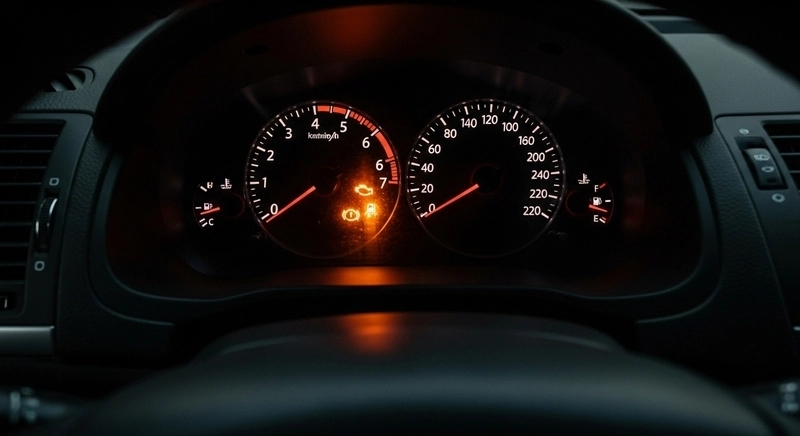
Why the Light Flickers Instead of Staying On
A flickering light usually signals a misfire. When the engine misfires under load, the vehicle struggles to burn fuel efficiently, causing the light to blink as the problem appears and fades. This is different from a constant check engine light, which often indicates a less urgent issue, such as a faulty sensor or loose gas cap.
A misfire during acceleration may stem from ignition problems, clogged fuel injectors, failing spark plugs, or inadequate airflow. Because the engine is under strain while accelerating, any weakness in the system becomes more noticeable.
Common Symptoms That May Accompany the Flicker
A flickering check engine light rarely appears alone. Drivers often notice:
- Rough or uneven acceleration
- Unusual vibrations or a shaking sensation
- Reduced power when climbing or merging
- A strong fuel smell from incomplete combustion
These symptoms suggest that the engine is struggling to maintain proper timing and fuel delivery.
Why Prompt Diagnosis Matters
Ignoring a flickering light can lead to overheating, catalytic converter failure, or internal engine damage. Modern vehicles rely on precise fuel-to-air ratios and timing; when one part of the system malfunctions, heat and improper combustion can quickly harm components designed to last the life of the vehicle.
A diagnostic scan can pinpoint the exact issue. Technicians can identify which cylinder is misfiring, whether a sensor is providing inaccurate data, or if fuel delivery is disrupted.
First Steps Drivers Should Take
Instead of continuing to drive as usual, it is best to reduce speed, avoid heavy acceleration, and head to a safe place where the vehicle can be inspected. Continuing to push a misfiring engine risks severe damage, especially if the catalytic converter overheats.
In situations where a collision has occurred and the warning light appears afterward, a mechanic should inspect the vehicle for hidden damage to wiring, mounts, or engine components. If repairs interact with insurance concerns, some drivers choose to seek legal help following a vehicle collision to understand their options, but this does not change the mechanical nature of the warning.
How Mechanics Diagnose the Problem
Technicians typically start with an OBD-II scan to read stored trouble codes. These codes provide clues about misfires, sensor errors, or system irregularities. From there, they perform physical inspections of spark plugs, coils, filters, and injectors.
If the issue is fuel-related, pressure tests help determine whether the fuel pump or regulator is failing. Airflow concerns may require inspection of the intake system, mass airflow sensor, or throttle body. The goal is to locate the exact cause rather than replace parts at random.
Preventing Future Flickering Lights
Routine maintenance significantly reduces the likelihood of misfires. Replacing spark plugs at recommended intervals, using high-quality fuel, changing filters regularly, and keeping sensors clean are straightforward ways to protect engine performance. Drivers who maintain consistent service schedules often notice fewer performance issues under load.
Final Thoughts
A flickering check engine light during acceleration should never be ignored. It typically indicates a misfire or performance issue that is occurring at that moment, making immediate attention necessary.
Understanding the potential causes, recognizing accompanying symptoms, and seeking prompt diagnostic evaluation all help protect the engine from further damage. With proper maintenance and timely repairs, drivers can keep their vehicles running smoothly and avoid more severe mechanical problems in the future.
