
How In-Car Emotional Monitoring Systems Could Change the Way First Responders Assess Crash Trauma
Technology in modern vehicles is evolving quickly. New systems now focus not only on preventing crashes but also on understanding a driver’s physical and emotional condition. These developments are beginning to influence how emergency teams respond to serious incidents. They may soon play an important role in support for victims of car accidents by helping responders understand trauma more accurately.
Understanding Emotional Monitoring Systems
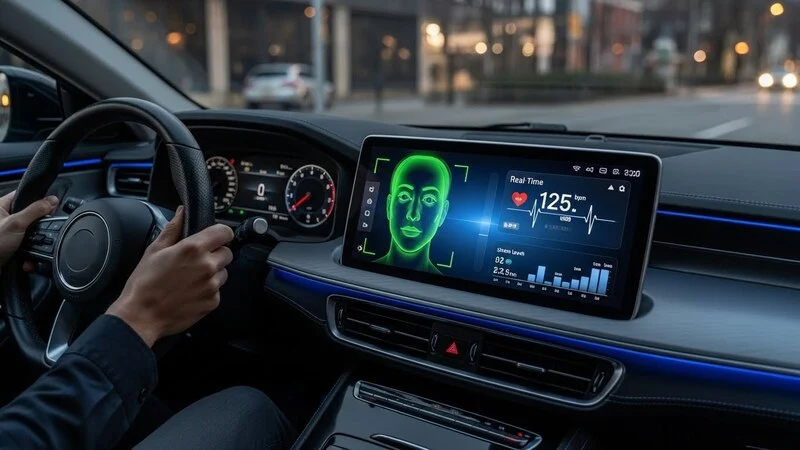
In-car emotional monitoring systems are designed to study the driver’s physical and emotional state. They use sensors to track heart rate, breathing, facial expressions, and stress levels. These tools help detect when the driver is overwhelmed or reacting to a dangerous event.
The goal is to understand what the body experiences during stressful moments. This information can show when a driver feels anxious or panicked. These signals are essential because emotional responses often precede physical injuries.
How These Systems Work
Emotional monitoring systems use a combination of cameras and internal sensors. They watch for changes in facial muscles and eye movement. They also detect shifts in breathing patterns or heart rate.
This information is processed in real time. The system identifies signs of stress, fear, or shock as soon as they appear.
When a crash occurs, the system can automatically save this data. It captures key moments leading up to the impact and during the collision. This helps emergency teams understand what the driver went through.
Why Emotional Data Matters in Emergencies
Physical injuries are not the only concern after a crash. Emotional trauma can affect breathing, thinking, and how the body reacts. A person may appear calm on the outside but may be experiencing severe internal stress.
First responders often rely on quick visual assessments. These assessments may not reveal emotional distress or shock. Emotional monitoring systems help fill this gap. They provide instant data that helps responders react more effectively.
Improving First Responder Decision Making
When emergency teams receive emotional data from a vehicle, they can adjust their approach. They may learn that the driver showed signs of panic or a rapid heartbeat before the crash. This information helps responders prioritize care.
They can check for symptoms linked to stress-related complications. Better decisions lead to more effective treatment. It gives responders a clearer understanding of what the victim needs most.
Detecting Hidden Injuries Through Stress Patterns
Sometimes emotional reactions point to hidden injuries. A sudden spike in stress may indicate internal pain. Unusual breathing patterns may reveal chest trauma or head injury. People in shock may minimize their symptoms.
They may say they feel fine even when they need medical care. Emotional data helps uncover these cases. It alerts responders to look deeper and treat symptoms that are not immediately visible.
Faster and More Accurate Assessments
Time matters in emergencies. Emotional monitoring systems provide information quickly. Responders do not have to rely entirely on questions or guesses. This saves valuable minutes. It also reduces confusion during chaotic moments.
With better information, responders can stabilize victims faster. This leads to better outcomes and safer recovery.
Supporting Trauma Care After the Crash
Emotional data does not lose its importance after the crash scene. Hospitals and specialists can use this information to guide treatment. Doctors can review how the victim reacted before and during the crash.
They can identify signs of shock or emotional trauma. This helps create a more complete care plan. It also ensures victims receive appropriate psychological support as part of their recovery.
Technology as a Partner for First Responders
Technology will never replace human judgment. Instead, it supports first responders by giving them more information. Emotional monitoring systems act as early warning tools. These tools highlight issues that might otherwise go unnoticed.
They help responders stay aware of changes in a victim’s condition. This partnership between technology and human skill strengthens emergency care. It leads to safer and more effective responses.
Challenges and Privacy Considerations
Collecting emotional data raises important privacy questions. Drivers must trust that their information is handled responsibly. Systems must be designed to protect personal details.
Only authorized responders should access the data. With proper safeguards, emotional monitoring systems can be both helpful and respectful of privacy.
Final Thoughts
Emotional monitoring systems are reshaping how first responders assess trauma in crashes. They provide insights into stress, fear, and physical responses that are not always visible. This information helps responders act quickly and accurately. These tools will become even more valuable as support for victims of car accidents continues to evolve.
