
How Advanced Tire Pressure Algorithms on 18-Wheelers Could Prevent Highway Blowouts Before They Happen
Highway safety depends heavily on the condition of the trucks that travel long distances each day. One of the most common causes of major truck accidents is tire failure. Blowouts can happen suddenly and create dangerous situations for nearby drivers. These risks make technology improvements especially important for those seeking help with injury claims involving 18-wheelers after a serious crash.
The Importance of Tire Health on Large Trucks
Tires on 18-wheelers carry heavy loads over long distances. They face constant pressure, friction, and exposure to the weather. Even small changes in tire condition can cause significant problems. If a tire weakens without being noticed, it can fail suddenly on the road.
This can cause the truck to swerve, lose control, or spill cargo. Monitoring tire health is essential for preventing these dangerous outcomes. Technology now plays a larger role in making this monitoring more effective.
How Tire Pressure Algorithms Work
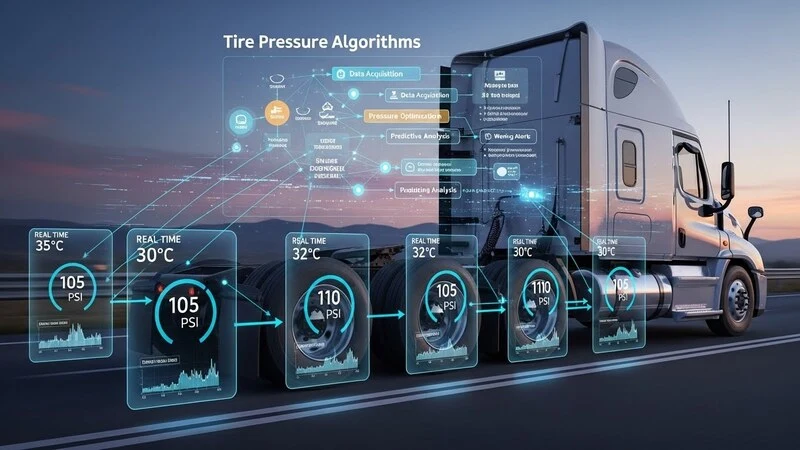
Advanced tire pressure algorithms collect data from sensors inside each truck tire. These sensors measure pressure, temperature, and movement. They send this information to a system that analyzes changes in real time. The algorithm looks for patterns that suggest a problem.
It can detect slow leaks, pressure drops, or overheating before the driver notices anything unusual. This early detection helps prevent dangerous situations. It gives drivers and maintenance teams enough time to address an issue before it becomes severe.
Recognizing Signs of Early Tire Failure
One of the biggest challenges for truck drivers is detecting tire damage early. Many problems begin quietly with small pressure changes. Algorithms monitor these subtle shifts.
They compare them to normal tire behavior and identify when something seems wrong. This helps catch issues that might go unnoticed during routine inspections. Early recognition makes repairs more manageable and less risky.
The Role of Temperature Monitoring
Heat has a significant impact on tire safety. When a tire becomes too hot, the rubber weakens. Overheating is one of the leading causes of blowouts. Sensors track temperature changes and alert drivers when levels rise.
These alerts help drivers slow down or stop before the heat causes damage. Temperature monitoring helps maintain safe driving conditions. It adds an extra layer of protection on long or challenging routes.
How Algorithms Predict Dangerous Pressure Drops
A pressure drop can signal a leak or other damage. Traditional monitoring may only alert drivers when the drop becomes significant. Advanced algorithms detect even small drops.
They track how quickly the pressure changes and forecast whether the tire is at risk. This predictive ability helps prevent sudden blowouts. It allows drivers to react before the situation becomes critical.
Improving Driver Awareness and Safety
Many accidents happen because drivers are unaware of tire problems. Modern systems send alerts through dashboard displays or mobile devices. These warnings help drivers make safe choices.
They may pull over, reduce speed, or request maintenance support. Improved awareness leads to fewer accidents. It also creates safer roads for everyone who shares the highway.
Maintenance Teams Benefit From Better Data
Maintenance crews rely on accurate information to keep trucks in good condition. Tire pressure algorithms provide detailed reports about each tire. These reports show long-term trends such as recurring pressure issues or temperature patterns.
They help identify tires that need replacement. Better data supports proactive maintenance. It reduces emergency repairs and keeps trucks running safely.
Preventing Blowouts Protects Everyone on the Road
When a tire blows out on an 18-wheeler, the consequences can be severe. Nearby vehicles may have little time to react. Preventing blowouts protects both truck drivers and other motorists.
It reduces the chance of rollovers, cargo spills, and multi-vehicle accidents. Advanced tire pressure technology helps create safer highways. It reduces risks that were once almost impossible to predict.
How This Technology Supports Long-Haul Efficiency
Tires that remain properly inflated improve fuel efficiency. They also reduce wear and last longer.
Algorithms help drivers maintain ideal pressure levels. This saves trucking companies money and reduces environmental impact.
Longer tire life also means fewer repairs on the road. This allows drivers to stay on schedule and reduces downtime.
Challenges and Future Improvements
Even with advanced technology, tire pressure systems require reliable sensors. They must withstand harsh weather and heavy use. Improvements may include better sensor durability and more accurate temperature readings.
As technology advances, it may connect with other safety systems to provide a more complete view of truck performance.
Final Thoughts
Advanced tire pressure algorithms offer powerful tools for preventing blowouts on 18-wheelers. They detect early warning signs and help drivers respond before a problem becomes dangerous. These systems make roads safer for everyone. They also matter for people seeking help with injury claims involving 18-wheelers, when understanding what caused a crash becomes essential.
