
Chevy Traverse Years to Avoid: Repair Costs, Issues, and Safer Choices
Since its introduction in 2008, the Chevrolet Traverse has been a leading player in the midsize SUV segment. It is also well-known due to its spacious interior, comfort, and good towing capacity, which is why so many people consider it a great family vehicle. Nevertheless, the models in all years are not perfect; hence, there are some Chevy Traverse years to avoid. These years were a lot more trouble than others, so when you buy a used Traverse, you don’t want to buy one of those models that will need costly repairs and irritating problems.

In this article, we will let you know which Chevy Traverse models you should avoid, as per the reviews that the owners provide, mechanical issues, and even the views of experts. When buying a used Traverse for your family or a practical vehicle that will take you and your friends on a road trip, it is best to know more about the potential problems associated with certain years.
Chevy Traverse Years to Avoid – Overview
Chevy Traverse is a reliable car with some used models that need to be avoided. The model years to avoid are the following:
| Model Year | Common Issues |
| Chevy Traverse 2009 | Engine failure, transmission problems, excessive oil consumption |
| Chevy Traverse 2010 | Power steering failure, engine power loss, transmission failure |
| Chevy Traverse 2011 | Power steering issues, engine failure, electrical problems |
| Chevy Traverse 2012 | Transmission problems, excessive oil consumption, and brake noise |
| Chevy Traverse 2015 | Brake noise, power steering issues, transmission issues |
| Chevy Traverse 2018 | Engine vibrations, transmission issues, “shift to park” message |
Complaints on engine and transmission faults, steering and brake system breakdowns were filed by owners, which were most common in these years.
Which Problems Are Common in Chevy Traverse Years to Avoid?
Problems usually found with the Chevy Traverse during the following years are:
1. Engine trouble
- Loss of power in the engine
- Driving and stalling
- The check engine light goes on unintentionally
It causes repairs, which cost money and involve reinstallation of the engine or significant timing chain repair. Included models are 2009, 2010, and 2011, which were popular in producing engine failures.
2. Transmission problems
- Jerking shifting
- Slipping gears
- Late acceleration
It may be as expensive as a replacement or repair of the transmission, which costs up to $3,000. The models 2009 and 2016 were characterised as the most affected by transmission issues.
3. Steering problems
- Steering that was hard to manage
- Power steering problems
- Steering parts are loud
It may not only be irritating but also hazardous; steering lockout is a typical issue of the 2011 Traverse with high mileage, which may be repaired at a high cost. The 2011 Traverse registered the highest number of complaints concerning steering problems.
4. Overuse of oil
- Needs frequent oil changes and the addition of oil between changes
- Indicates engine problems and would result in greater complications in the long run
It is widespread in the 2010 and 2011 Traverse models as they are most susceptible to high oil wastage.
5. Brake Issues
- You can hear some strange sounds (grinding or squealing), and you get the impression that your brakes do not work properly.
- Distressed or faulty brake parts are likely to cause unsafe riding and involve expensive chains.
Most of the models of the 2020 Chevy Traverse have problems related to brakes, such as grinding even when the car has not been driven much.
Why not Choose the 2009 – 2012 Models of the Chevy Traverse
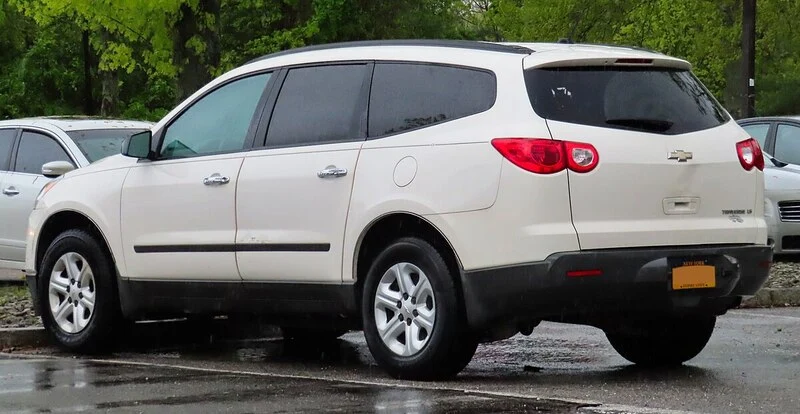
The initial years of the Chevy Traverse, from 2009 to 2012, have developed a negative reputation. They belonged to the initial generation, and, similar to many first-gen cars, as well, they had various teething problems, which were never entirely resolved. Problems such as engine failures, transmission problems, and high oil consumption were common to these models and gave rise to numerous complaints and expensive repairs.
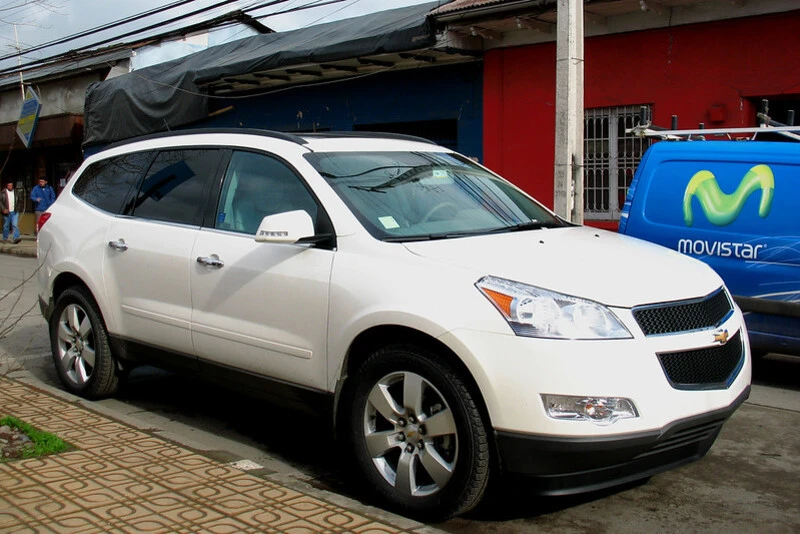
The 2011 and 2012 models also experienced problems with power steering. The difficulties in steering the car pose problems for the driver. Also, these years were characterised by strange noises on the clutch, particularly in the rear brakes, which made the driving experience not quite perfect.
Why 2015 Chevy Traverse Is a Year to Skip
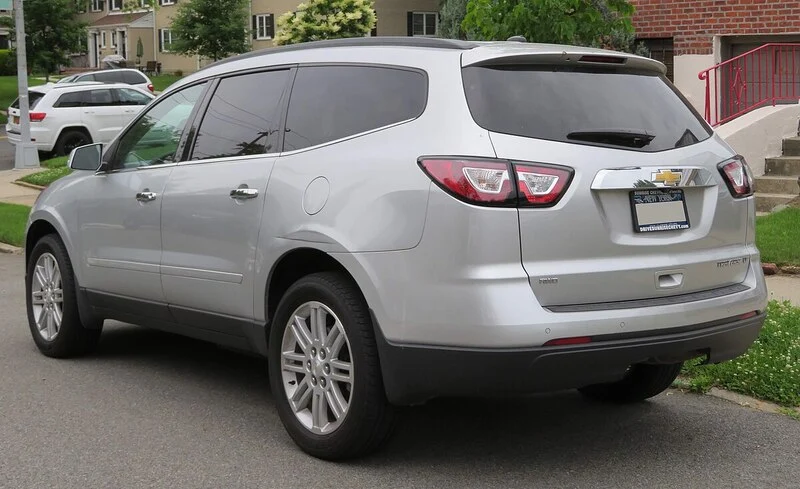
Although the 2015 Chevy Traverse years to avoid are not as problematic as the previous years, there are several faults. The major problems encountered were with the steering and braking systems. It was reported that there were a number of owners who experienced brake failure as well as brake noise, which raised the matter of safety. Even though it is not as bad as it used to be in some previous years, the 2015 model is unsatisfactory in reliability relative to other late models.
Avoid the 2018 Chevy Traverse
The second-generation, 2018 Chevy Traverse is another model to avoid. It has undergone a redesign of its body style and features, and its issues supersede its benefits. According to drivers, it vibrates and shakes, loses power, and displays a shift to park message on the dashboard, which indicates transmission or shifter issues.
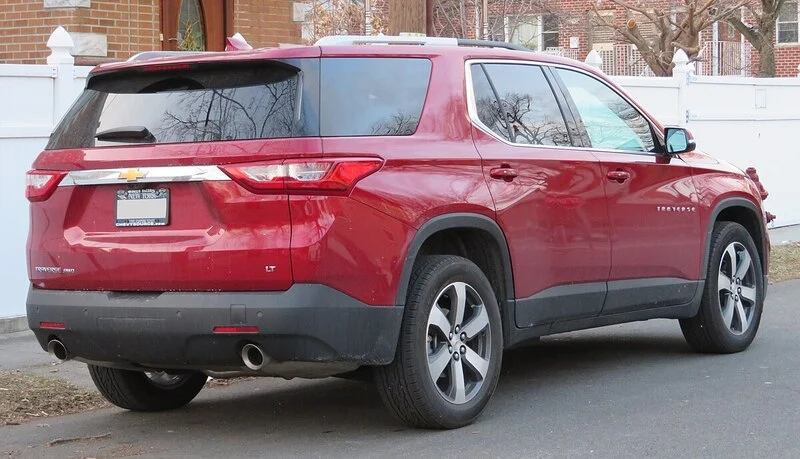
The 2018 Traverse is better than it was in the early years, but its problems keep it as one of the models you should skip if you are concerned about the transmission or actual power.
Repair and Maintenance Cost
The possible cost of repair is essential knowledge when deciding to buy any Chevy Traverse model year. A breakdown of the average cost of repairs per year of the problematic years is given below:
| Model Year | Average Repair Cost | Common Repairs |
| 2009 – 2012 | $1,200 – $3,000 | Engine replacements, transmission repairs, steering, and brake issues |
| 2015 | $1,000 – $2,000 | Brake noise, power steering pump, and AC system issues |
| 2018 | $1,000 – $2,500 | Transmission problems, engine vibrations, steering issues |
Repair services may increase rapidly if the Chevy Traverse is not maintained properly. Among them are engine replacements, transmission repairs, and power-steering repairs. These costs tend to be the most expensive on the 2009-2012 models, where significant repairs may cost up to $1200 and $3000.
Current Market Value
In addition to repair expenses, you ought to consider the prevailing price of the used Chevy Traverse. With poorer condition, cars are sold at really low prices. These are the present market prices in selected model years involved:
| Model Year | Current Market Value (Used) | Common Factors Affecting Price |
| 2009 – 2012 | $5,000 – $9,000 | Depreciation, high repair costs, engine and transmission issues |
| 2015 | $13,000 – $16,000 | Higher resale due to lower repair costs, but still affected by some brake and steering issues |
| 2018 | $22,000 – $25,000 | Lower market value due to issues with powertrain and reliability concerns |
The current 2009 – 2012 models can be bought at lower prices, at $5000 to $9000. They also require frequent repair due to their numerous problems. The newer version, produced in 2015, is more expensive, roughly between $13,000 and $16,000, though it is not free of problems. The 2018 model sells at an even higher price between $22,000 to 25,000, but is still less reliable.
Best Years of Chevy Traverse with Higher Quality Reliability
To find a used Chevy Traverse that is more reliable, you can look at the following years:
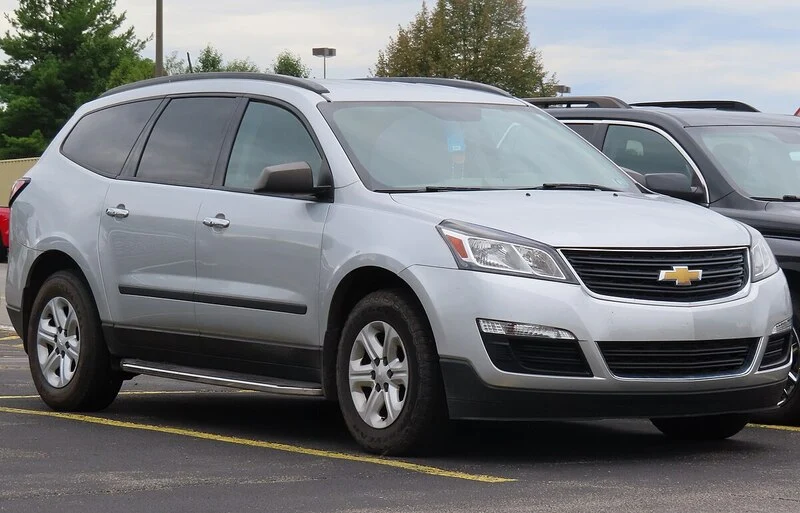
- 2013 Chevy Traverse
- 2016 Chevy Traverse
- 2017 Chevy Traverse
- 2020 Chevy Traverse
- 2021 Chevy Traverse
These models have fewer mechanical issues, and their overall reliability is improved.
Conclusion
Chevy Traverse is an excellent family vehicle since it has an SUV frame. Nonetheless, certain years should be purchased by people in order to prevent difficulties. Avoid the 2009, 2010, 2011, 2012, 2015, and 2018 models as they are likely to experience engine, transmission, steering, and braking problems.
Rather, purchase a 2013, 2016, 2017, or 2020 Traverse as it would be better defined and would not have a severe defect. Being informed about what to avoid and choosing the most appropriate years to watch can save your money, time, and a little bit of stress that you will not experience.
