
What is the Difference Between a Civil and Criminal Case After a Car Accident?
So you’ve just been in a car accident. Maybe someone rear-ended you at a stoplight, or maybe the other driver was clearly impaired, and the police showed up within minutes. Either way, you’re suddenly hearing words like “charges,” “lawsuit,” and “court dates,” and nobody is stopping to explain what any of it actually means for you.
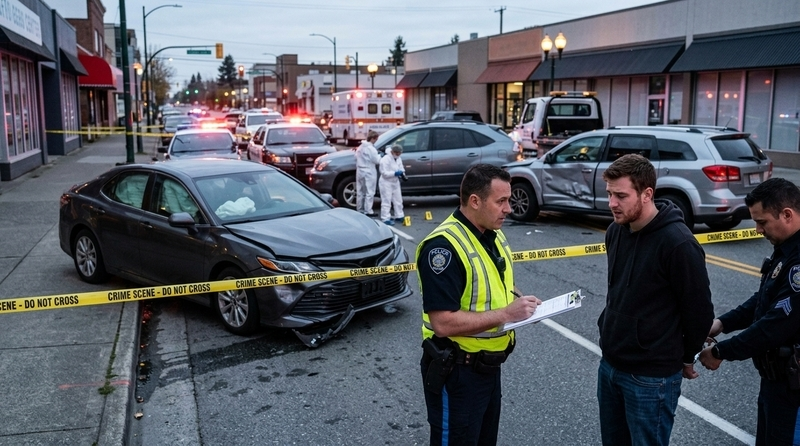
Here’s something a lot of people don’t find out until they’re already in the middle of it: a single car accident can set off two completely separate legal processes at the same time. One is a criminal case, and the other is a civil case. They work differently, involve different people, and lead to very different outcomes. Getting a handle on the difference early can save you a lot of confusion down the road.
Understanding the Criminal Justice System’s Role in Car Accidents
The criminal side of a car accident is handled by the government, not by you. Even if you were the one sitting in the hospital with a broken arm, it’s the state that decides whether to press charges and how to move forward. You don’t file a criminal case. The prosecutor does.
The people who work within this system, from the officers at the scene to the prosecutors in the courtroom, are trained specifically for this work. Many of them build that foundation through formal education, including a bachelor’s degree of science in criminal justice, which trains them to evaluate evidence, apply the law accurately, and make sound decisions about how cases should be handled.
Criminal charges after a car accident usually follow when the driver’s behavior crosses a clear legal line.
Driving under the influence that results in injury, hit-and-run incidents, reckless driving, and vehicular manslaughter are all situations where criminal charges come into play. The standard of proof the prosecution has to meet is “beyond a reasonable doubt,” which is the highest bar in the legal system. If the driver is convicted, the consequences can include fines, license suspension, probation, or prison time. The focus here is punishment and public accountability, not getting money in your pocket.
What Is a Civil Case After a Car Accident?
A civil case is a different process entirely, and this one is yours to initiate. It’s a legal action between you, the injured person, and the driver whose negligence caused the accident. You don’t have to wait for the government to act, and you don’t need anyone’s permission to file. If someone else’s careless behavior caused your injuries and losses, civil law gives you the right to pursue financial compensation for that.
The damages you can pursue in a civil case include medical bills, lost wages, vehicle repair costs, and compensation for pain and suffering. The burden of proof here is much lower than in a criminal case. You don’t need to prove anything beyond a reasonable doubt. You just need to show that it is more likely than not that the other driver caused your harm. This standard is called “preponderance of the evidence,” and it’s a realistic bar for most accident victims to clear with the right documentation and legal support.
Most civil cases settle before they ever reach a courtroom. Your attorney negotiates with the at-fault driver’s insurance company, both sides agree on a number, and the case closes. If no agreement is reached, a judge or jury steps in to decide.
Can Both Cases Happen at the Same Time?
Yes, and this is the part that trips most people up. Both a criminal case and a civil case can run at the exact same time, on completely separate legal tracks, without one blocking or canceling the other.
Picture this: a drunk driver blows through a red light and hits your car. The state files DUI charges against the driver. That’s the criminal case. At the same time, you file a personal injury lawsuit to recover your medical costs and lost income. That’s the civil case. Both are happening, both involve the same accident, and neither one waits for the other to finish.
Here’s the part that surprises most people: the outcome of one case does not decide the outcome of the other. A driver can be found not guilty in criminal court and still lose the civil case and owe you money. The two cases use different standards of proof, involve different parties making the decisions, and exist to accomplish different things.
How Does Each Case Affect You as the Victim?
In the criminal case, you are a witness. The prosecutor controls everything. You may be asked to give a statement or testify, but you have no say in what charges are filed, whether a plea deal is accepted, or how the case proceeds. Some victims find this frustrating because the process that directly involves them is entirely out of their hands.
In the civil case, the dynamic is completely different. You are the one moving things forward, working alongside your attorney to build the case and pursue what you’re owed. That sense of control matters, especially when medical bills are coming in, and you still don’t have answers about who is covering what.
One thing worth holding onto: a criminal conviction can actually strengthen your civil case. A guilty verdict is documented proof of fault, which makes the civil claim easier to support.
When Does a Car Accident Lead to Criminal Charges Rather Than Just a Civil Claim?
Most accidents don’t end up in criminal court. A driver who was distracted and rear-ended you will most likely face a civil claim, not criminal charges. Criminal prosecution is generally reserved for behavior that goes well beyond ordinary carelessness, things like drunk driving, fleeing the scene, or drag racing on a public road.
A good rule of thumb: if the driver made a mistake, expect a civil case. If the driver broke the law in a serious way, expect both. If you’ve been sued or are thinking about filing a claim, understanding your full legal options after a crash is the smartest first step you can take before any deadlines pass.
A criminal case is about the state holding a dangerous driver accountable. A civil case is about you getting fairly compensated for what you lost. Both can come from the same accident, both serve a different purpose, and understanding the difference puts you in a much stronger position after what is already a hard and stressful experience.
