
How Fast Lane Splitting Reduces Reaction Time for Motorcyclists and Drivers
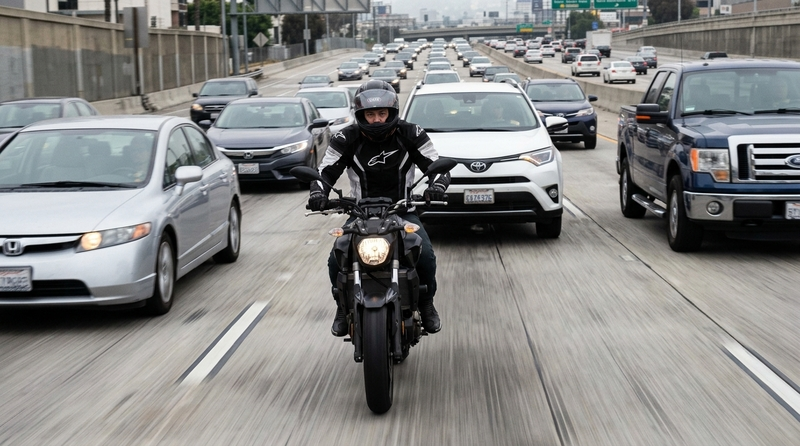
Lane splitting—riding between lanes of stopped traffic—isn’t just a shortcut; it’s a practical safety strategy. In heavy gridlock, a motorcycle sitting stationary in a lane is a prime target for rear-end collisions by distracted drivers. By moving through the gaps, riders avoid that danger zone rather than waiting to be hit. It acknowledges that motorcycles handle traffic differently than cars, which is why having a motorcycle injury lawyer in St. Louis is so important if an accident does happen. Ultimately, staying mobile keeps the rider out of harm’s way and avoids being a “sitting duck” in stopped traffic.
Engineering Flow and Reducing Congestion
Lane filtering—moving to the front of the line at red lights—actually clears up gridlock. When a motorcycle sits in the middle of a queue, it just takes up space and makes the line longer for everyone behind it. By filtering to the front, riders get out of the way, helping the entire line clear the intersection faster. Research from the Federal Highway Administration, cutting down on congestion is all about keeping things moving, and lane filtering helps by pulling bikes out of the pack.
This reduces the total space traffic occupies at an intersection. By allowing riders to move forward to the front, the overall pace of the line is optimized, and the “accordion effect,” where braking and accelerating create waves of stop-and-go traffic, is dampened. This isn’t just about speed; it is about efficient use of road space, which reduces the total time all vehicles—cars and motorcycles alike—spend idling in high-traffic zones.
The Cognitive Science of Constant Motion
It’s not only about physical safety, but also about keeping your mind sharp. Sitting still in traffic causes you to zone out and slow down your reaction time. Lane splitting requires you to be active, constantly scanning and making micro-adjustments so you stay alert and aware of your surroundings. When an unexpected hazard arises—such as a car door opening or a vehicle darting in front of you—you’ll be ready to react, unlike a rider sitting idly in gridlock.
Shared Road Safety & Driver Awareness
Lane splitting is also beneficial to drivers around the motorcycle, although it is often counterintuitive for the average commuter. When a motorcycle splits lanes, it essentially clears a path around potential obstructions, allowing traffic to flow more smoothly around the motorcycle rather than the motorcycle occupying a full lane. Filtering at a steady, reasonable speed makes you stand out to drivers checking their mirrors. It’s much easier for them to spot a bike moving through the gaps than one disappearing into a wall of brake lights. This keeps drivers on their toes and makes them more aware of the space around their vehicle, which usually leads to better, more alert driving from everyone.
Safer Motorcycling – The Path
Good traffic rules should focus on keeping things moving, not just stopping accidents. Lane splitting definitely demands serious focus and experience, but sitting dead-still in a traffic jam is usually more dangerous; it leaves you invisible and exposed. Staying on the move keeps you active and visible to other drivers, which is often safer than being a sitting duck. Just make sure you know the local rules before you start weaving.
If you find yourself facing legal challenges due to shifting regulations or road accidents, consulting with a reputable motorcycle injury lawyer in St. Louis can help ensure you understand the specific local ordinances regarding your riding habits and protect your future on the road. Filtering is a privilege, so it’s on the riders to use it responsibly. If the community shows they can move through traffic safely, it’s much easier to argue for rules that keep bikers active rather than stuck in gridlock, waiting for a rear-end collision.
