
Ford Explorer Years to Avoid: A Complete Guide for Used Car Buyers
The Ford Explorer has been a favorite among families and adventure seekers since its introduction in 1991. With a spacious interior, reliable performance, and modern features, it’ll come as no surprise that the Explorer is a very popular model. However, not all model years are created equal. For some years, engines have been reliable and durable, but in others, they cause mechanical problems and costly repairs.
This guide will help you know the Ford Explorer years to avoid when you’re thinking of buying a used Ford Explorer.
Why It’s Important to Know the Ford Explorer Years to Avoid
Before you buy a used Ford Explorer, you know which model years to avoid in order to avoid costly repairs, poor performance, and frequent maintenance issues. The Ford Explorer is one of the most popular midsize SUVs out there, but not all years of the vehicle are created even.
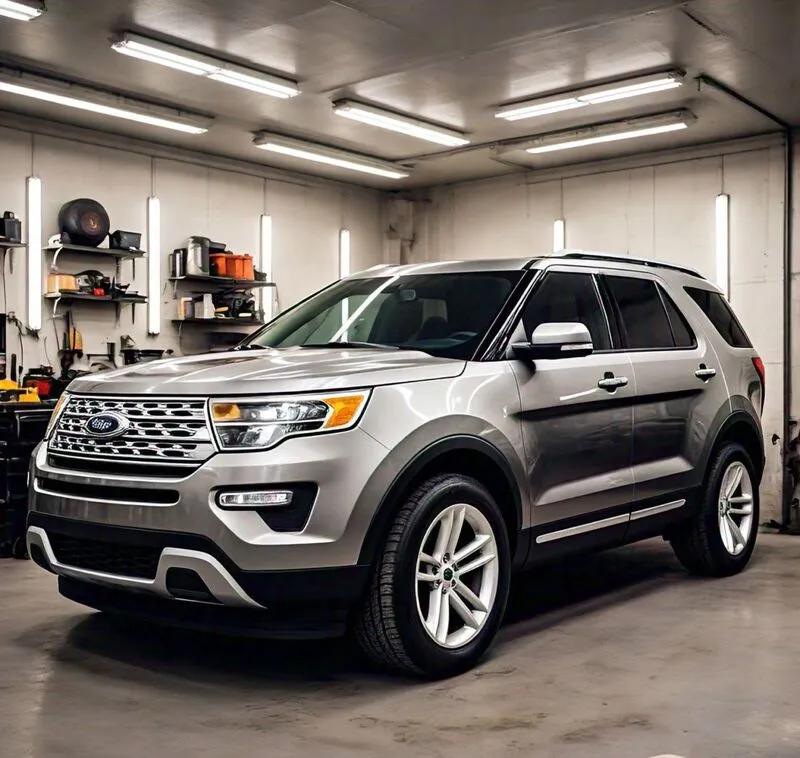
There are various models that have good problems recurring again that will detract from the whole driving experience. That means you learn which years to steer clear of, and you can make a more informed purchase so that your money won’t be wasted.
If you’re also looking at the Ford Escape, read our article on common issues to help you avoid potential pitfalls. Knowing about common Ford Escape issues can provide additional insights into what to look out for.
Ford Explorer Generations
Since the 1991 debut of the Ford Explorer, the model has followed several generations. Across each generation, new designs, features, and technologies were introduced, but some were better received than others. Some generations are reliable, while other generations are notorious for frequent breaks down. Here’s a detailed breakdown:
First Generation (1991-1994):
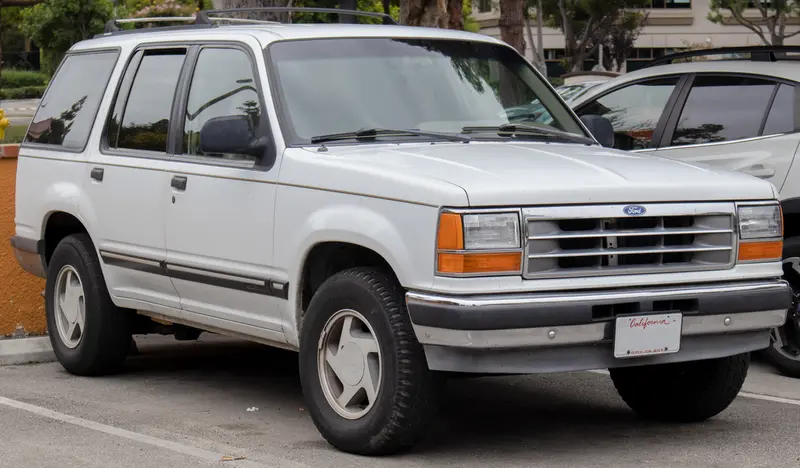
The SUV’s success was founded in the first generation Ford Explorer. It had a rugged design and off-road capability and became a hit in the 1990s. But they did not have modern safety features and were easily prone to rolling over, particularly in sharp turns or in aggressive maneuvers to evade something.
Second Generation (1995-2001):
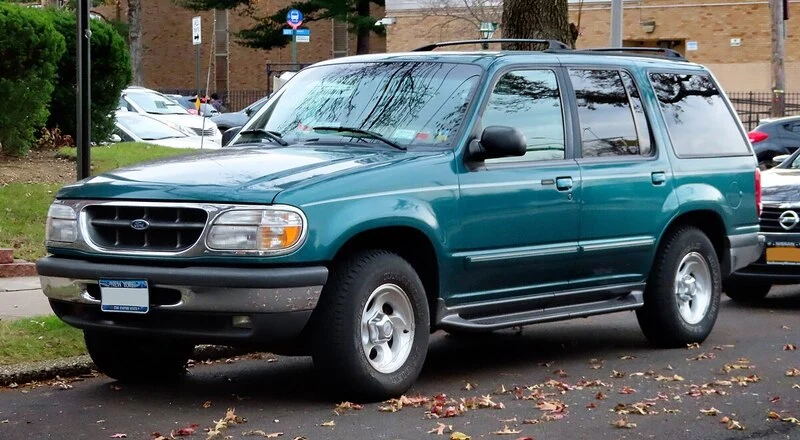
Safety and comfort were significant improvements for this generation. The car brought features such as interior refinements and better airbags. However, transmission and suspension problems plagued it. These owners also complained frequently of slipping gears and transmission failures, making these models poor choices with an owner.
Third Generation (2002-2005):
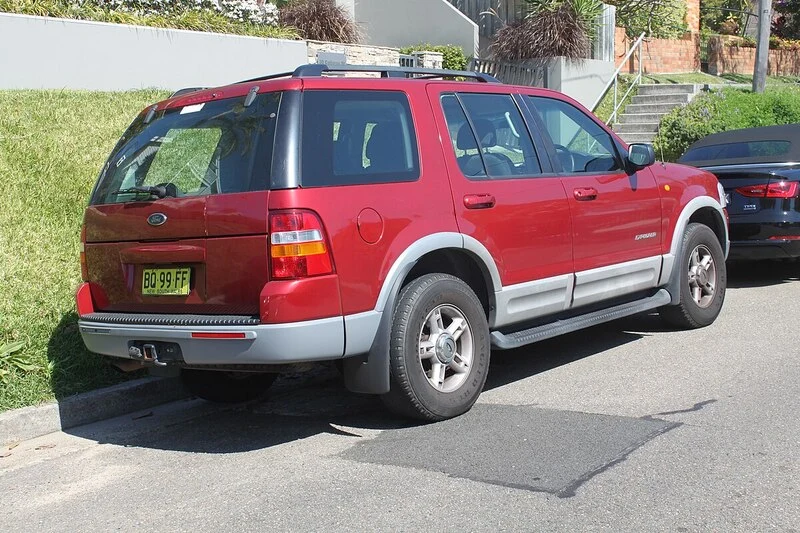
The third generation marked a major redesign with a return to a chassis, a style of handling improved from the previous model. The problem is, it also became infamous for reliability issues. Transmission problems and suspensions were all too common, and most owners had to pay through the front teeth for repairing.
Fourth Generation (2006-2010):
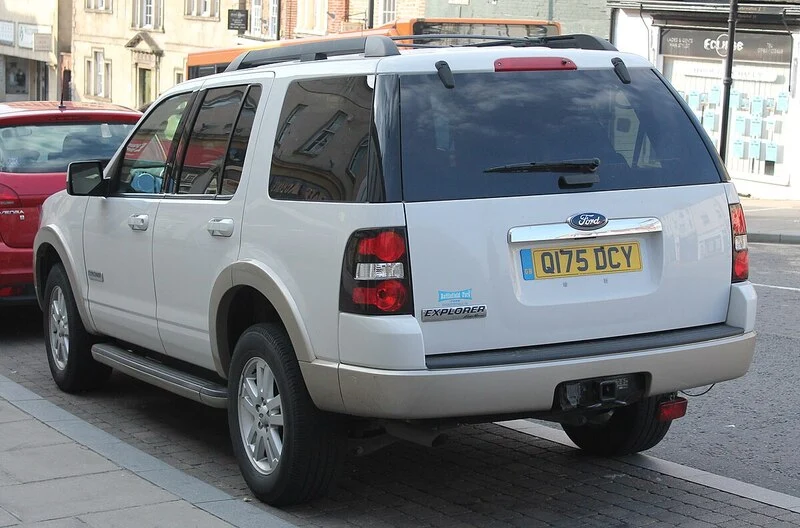
A stronger frame and improved towing capacity were available in the fourth generation. But its reputation was marred by drivetrain problems, including the transfer case and engine troubles. It had poor fuel economy and high maintenance costs too.
Fifth Generation (2011-2019):
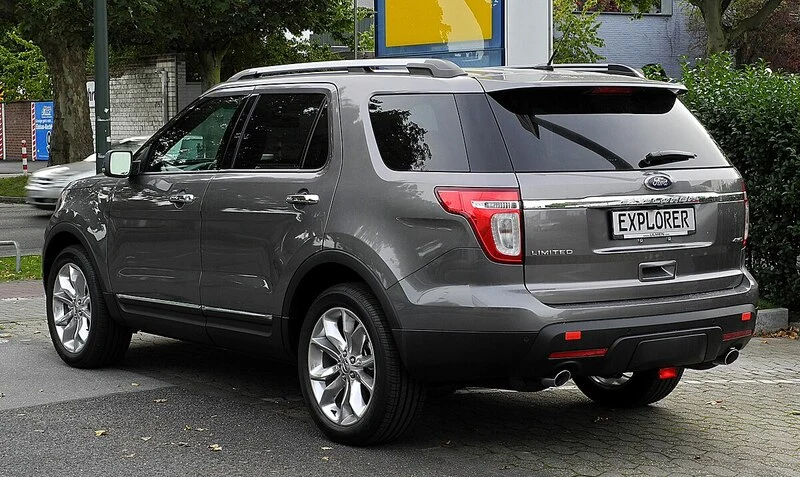
Moving to a unibody structure reduced noise and improved fuel economy. These models were loaded with newly introduced technology with cutting-edge safety features, but electrical glitches, power steering failures, and frequent recalls plagued the early years until 2013.
Sixth Generation (2020-Present):
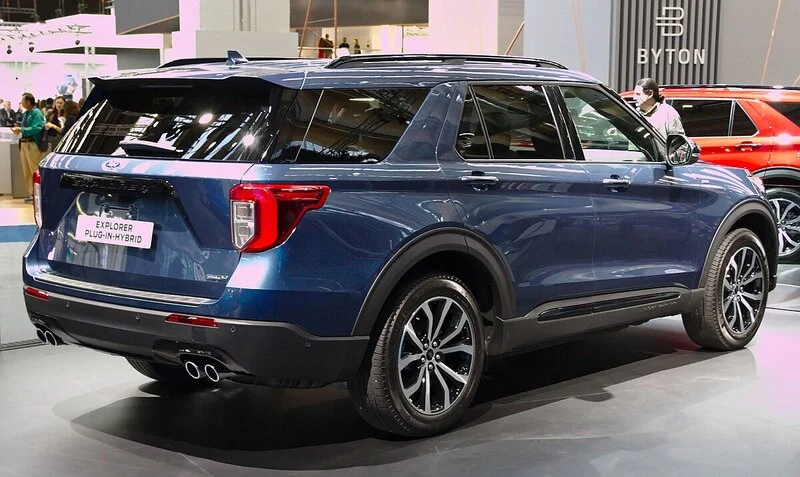
The latest version has advanced features, better handling, and a cleaner look. Nevertheless, the 2020 model year was the first of this generation and suffered from transmission, suspension, and electrical recalls.
Why Certain Ford Explorer Years Are Troublesome
There are some Ford Explorer model years that are particularly bad because there are a lot of problems that owners and mechanics alike are experiencing with them. Typically, these are design problems, substandard manufacturing, or the use of unreliable components. If you understand why some years are more problematic than others, you can make an informed decision.
Transmission Failures: Transmission problems have plagued successive generations of Ford Explorer for years. Slipping gears, delayed or missed shifts, and total transmission failure are common complaints; they also have high-cost replacements.
- Engine Problems: Certain Model Years are tough on overheating, stalling, and complete engine failure. Not only do these problems cause expensive repairs but they also compromise the vehicle’s safety.
- Electrical Glitches: Reports are made by many owners suffering from malfunctioning sensors, infotainment systems, dashboard displays and so on. Frustrating and usually hard-to-diagnose electrical issues can result in repeated visits to the mechanic.
- Suspension and Steering Issues: Complaints of poor handling, uneven tire wear, and steering system failure are common. However, the problems can damage the vehicle’s performance and even its safety.
- High Maintenance Costs: Certain years tend to be very expensive to upkeep because they continuously have recurring issues that need to be fixed.
Which Ford Explorer Years to Avoid?
If you’re in the market for a used Ford Explorer, avoid the following years due to their reliability issues and high repair costs:
2002-2005 Ford Explorer
These third-generation models are infamous for transmission failures, with many owners reporting replacements before reaching 100,000 miles. Rear wheel bearing failure is also a common suspension issue. It is best to avoid these years if you want to minimize repair costs.
2006-2010 Ford Explorer
The drivetrain problems of fourth-generation models included transfer cases that were worn out and engines that did not work. These are not good years for fuel economy and maintenance costs. Owners often report frequent breakdowns and costly repairs.
2011-2013 Ford Explorer
Among the power steering failures, electrical glitches, and problems with MyFord Touch, early fifth-generation models have caused problems. Buyers shouldn’t choose these as they are frequent recalls and their reliability ratings are poor.
2020 Ford Explorer
Several recalls occurred during the first year of the sixth generation for transmission, suspension and electrical issues. This year was less reliable, as with many first year redesigns; bugs and manufacturing defects abounded.
Ford Explorer’s Most Common Complaints
Learning to understand common complaints might give you an indication of years to steer clear of. Here are some recurring issues:
- Transmission Problems: Like other cars, Ford Explorer has failed to transmit the most reported issues of the Ford Explorer, which includes Ford Explorer 2002-2005 and 2006-2010 models. Slipping gears, harsh shifting, and complete failure are some of the things owners complain about.
- Engine Malfunctions: In various years there have also been problems like cracked cylinder heads, coolant leaks, and stalling. All of that can also cause costly repairs and engine replacements.
- Suspension Failures: Common are also rear suspension problems that generate uneven tire wear and poor handling. Problems related to this affect the vehicle’s ride quality and safety.
- Electrical Glitches: Frequent complaints are malfunctioning dashboards and sensors and unreliable infotainment systems. Diagnosing electrical problems and fixing them can be expensive and difficult.
- Excessive Noise: Earlier models were plagued by wind and road noise complaints that spoiled the driving experience.
The Best Ford Explorer Years: What Ones You Should Consider Instead
For the most part, you’ll want to avoid certain Ford Explorer years, but each has a certain status as a reliable car to look into. Here are the standout years:
- 2016-2019: These late fifth-generation models have improved reliability and base technology integration. In fact, the 2018 model, in particular, is praised for its combination of performance and dependability.
- 2021-Present: Many of the 2020 model’s issues were addressed by 2021, and these newer Explorers are now more of a safe bet. Highlights include advanced safety features, improved powertrains, and a sleek design.
- 2001: The most reliable year of the second generation is often thought of as the last of the second generation.
Used Ford Explorer Buying Tips: Finding The Best Year For You
When buying a used Ford Explorer, it’s important that you consider what you need and how reliable you want the vehicle to be. Here are some tips:
- Research Thoroughly: Search results include owner reviews, reliability ratings, and historical recall information for specific years. Websites like Car Complaints and Consumer Reports can provide valuable insights.
- Inspect the Vehicle: Have a trusted mechanic conduct a pre-purchase inspection to identify any hidden issues. Remember, this will save you from unexpected repair costs.
- Check Maintenance Records: Check the vehicle’s service history, and make sure it has been regularly maintained. Publicly, a, well-maintained car is less likely to have any hidden problems that could end up costing you lots of money in the long run.
- Avoid First-Year Models: Often the bugs have to be ironed out in later years with first year redesigns. Stay with models that have been proven to work.
- Consider Mileage: Low mileage can suggest that a car is used less; therefore, you want models with more mileage. But a solidly maintained high-mileage car can be a good purchase.
- Prioritize Safety Features: If safety is a concern for you, look for models equipped with advanced safety features like lane-keeping assist, adaptive cruise control, and blind spot monitoring. These features offer a chance to make your driving experience and safety better.
Conclusion: The Ford Explorer Years You Should Avoid
The Ford Explorer is still a family favorite and a sought-after adventurer, but knowing which years to skip can help you avoid headaches. Reliability concerns make models between 2002-2005, 2006-2010, 2011-2013, and 2020 best avoided, while models between 2016 and 2019 and 2021 and present are better for dependability and performance.
With proper research and following the tips that you can see in this guide, you will be able to pick the used Ford Explorer that best meets your needs and budget without sacrificing as regards quality.
No matter how much importance you put on reliability, needing advanced features, or having to stay within a budget; you need to make a well-informed decision to make sure your Explorer lasts you for years.
