
How to Clean Your Tricycle
Keeping your tricycle clean is one of the easiest ways to improve its performance, extend its lifespan, and make every ride more enjoyable. Dirt, mud, dust, and moisture can build up over time, causing rust, worn parts, and poor riding performance. Whether you use your tricycle for daily commuting, exercise, or family fun, regular cleaning helps keep it looking and working like new.
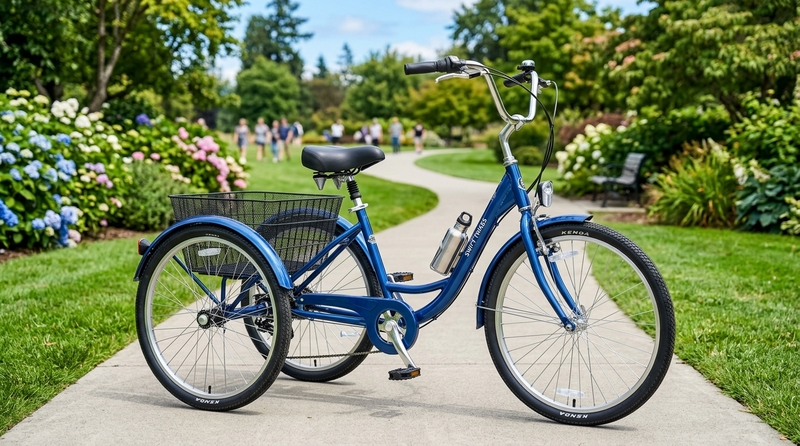
In this guide, I’ll explain how to clean your tricycle properly, what tools you need, and how to protect important parts like the chain, wheels, and frame.
Why Cleaning Your Tricycle Matters
A dirty tricycle may not seem like a big problem at first, but grime and moisture can slowly damage important components. Regular cleaning helps:
- Prevent rust and corrosion
- Improve riding comfort
- Extend tire and chain life
- Reduce mechanical wear
- Keep brakes functioning properly
- Maintain the tricycle’s appearance
If you ride often in rain, sand, mud, or dusty conditions, cleaning becomes even more important.
Supplies You Need to Clean a Tricycle
Before you start, gather a few simple cleaning supplies.
Basic Cleaning Tools
You do not need expensive equipment. Most tricycle owners can clean their ride using:
- Bucket of warm water
- Mild soap or bike cleaner
- Soft sponge or microfiber cloth
- Soft-bristle brush
- Old toothbrush for tight spaces
- Chain lubricant
- Dry towel
- Garden hose or spray bottle
Avoid using harsh chemicals because they can damage paint, rubber, and metal parts.
How to Clean Your Tricycle Step by Step
Cleaning an adult tricycle properly only takes about 20–30 minutes.
Step 1: Rinse Off Loose Dirt
Start by lightly rinsing the tricycle with water to remove loose dirt and dust. A gentle spray works best.
Do not use a high-pressure washer because strong water pressure can force moisture into bearings and moving parts.
Focus on:
- Wheels
- Tires
- Frame
- Pedals
- Fenders
Step 2: Wash the Frame
Mix mild soap with warm water and use a sponge or cloth to clean the frame.
Wipe carefully around:
- Handlebars
- Seat post
- Cargo basket
- Rear frame
- Crank area
If your tricycle has stubborn mud or grease, use a soft brush to scrub gently.
Step 3: Clean the Wheels and Tires
The wheels collect a lot of dirt from the road.
Use a brush to remove:
- Mud
- Small rocks
- Grass
- Brake dust
Inspect the tires while cleaning. Look for:
- Cracks
- Worn tread
- Embedded debris
- Low air pressure
Keeping the tires clean also helps you notice damage early.
Step 4: Clean the Chain and Drivetrain
The chain is one of the most important parts of the tricycle.
How to Clean the Chain
Use a cloth or toothbrush with soapy water to remove old grease and dirt from:
- Chain
- Gears
- Chainrings
After cleaning, dry the chain completely before applying fresh lubricant.
Never leave the chain wet because moisture can quickly cause rust.
Step 5: Dry the Tricycle Thoroughly
After washing, use a clean towel or microfiber cloth to dry every part of the tricycle.
Pay extra attention to:
- Bolts
- Chain
- Wheel hubs
- Brake components
Leaving water on metal parts may lead to corrosion over time.
Step 6: Lubricate Moving Parts
Once the tricycle is fully dry, apply lubricant to moving components.
Important Areas to Lubricate:
- Chain
- Pedals
- Brake pivots
- Gear mechanisms
Do not overuse lubricant. Too much oil attracts dirt and dust.
After applying lubricant, wipe away excess oil with a clean cloth.
How Often Should You Clean Your Tricycle?
The cleaning schedule depends on how often and where you ride.
Recommended Cleaning Frequency
Light Use: If you ride occasionally on clean pavement, cleaning once every few weeks is usually enough.
Frequent Riding: If you ride daily, clean the tricycle at least once a week.
Muddy or Wet Conditions: Always clean the tricycle after riding in rain, snow, mud, or sand. Regular maintenance prevents expensive repairs later.
Common Mistakes to Avoid: Many people accidentally damage their tricycle during cleaning.
Using High-Pressure Water: Strong water pressure can damage bearings and remove protective grease.
Forgetting to Dry the Chain: A wet chain quickly develops rust and may start squeaking or skipping.
Using Harsh Chemicals: Avoid bleach, strong degreasers, or household cleaners that can strip paint and damage rubber parts.
Skipping Lubrication: Cleaning removes dirt but can also wash away protective oils. Always lubricate moving parts afterward.
Extra Tips to Keep Your Tricycle Looking New
Small habits can make a big difference in keeping your tricycle clean longer.
Store It Indoors
Keeping your tricycle in a garage or covered area protects it from:
- Rain
- Sun damage
- Rust
- Dust buildup
Wipe It Down After Rides
A quick wipe with a dry cloth after riding helps prevent dirt accumulation.
Check for Loose Parts
Cleaning time is also a great opportunity to inspect:
- Bolts
- Brakes
- Tires
- Seat adjustments
Catching small problems early can improve safety and reduce repair costs.
Final Thoughts
Cleaning your tricycle regularly helps it stay safe, smooth, and reliable for years. A simple routine of washing, drying, and lubricating key components can prevent rust, improve performance, and keep your tricycle looking its best.
Whether you ride for fun, exercise, or transportation, taking care of your tricycle is a smart habit that pays off every time you hit the road.
