
Best Years for Honda CR-V: Top Models to Consider
In the late 1990s, compact sedans’ popularity declined significantly. Since customers were handsome and willing to buy vehicles that bring more value to the table. Japanese automakers have always been ahead when it comes to adapting to something new. In this article, we are going to discuss the best years for Honda CRV.
Best Years for Honda CR-V
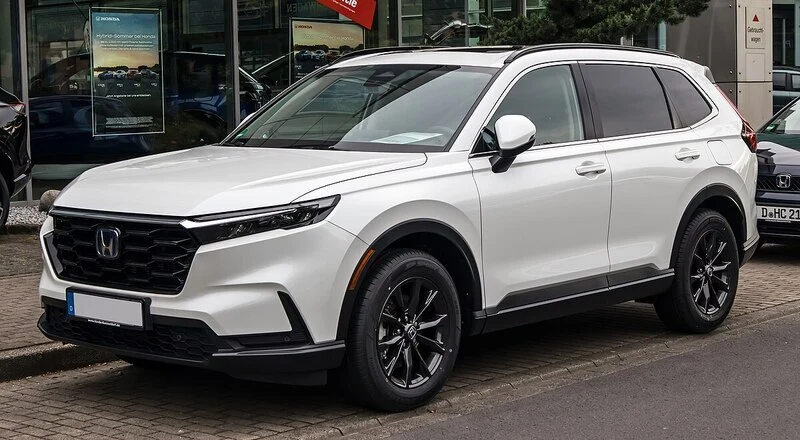
In 1995, Honda, seeing this transition, launched their first-ever compact crossover SUV named Honda CR-V, which later became one of Honda’s best-selling models globally. CR-V shares the platform with the Honda Civic.
The 2025 CR-V comes with a small yet powerful 1.5-liter turbocharged gasoline engine producing nearly 190 horsepower, which not only delivers balanced power for daily driving and pushing the car on the highway but is also fuel-efficient.
Over the five generations, Honda has upgraded so much in their six-generation, such as ample cargo space (up to 76.5 cubic feet when rear seats are folded) along with many advanced safety features, such as Honda Sensing, which is a suite of driver-assistive technologies.
However, in the previous generation, there were many drawbacks and certain parts were more prone to wear and tear, making those generations less reliable. But today, we are going to explain the evolution, and how you can still buy a better value for money car, yet avoid those issues.
Key Features and Evolution of the CR-V Over the Years
The first-generation CR-V came with a 2.0-liter four-cylinder gasoline engine, which produces 126 horsepower, coupled with a four-speed automatic transmission and all-wheel drive setup. And interestingly, this was the first-ever car to come with a folding picnic table in the rear cargo area.
In 2002, Honda debuted their second-generation CR-V, which had a more robust design and came with an upgraded 2.4-liter naturally aspirated engine that shared with the Accord. The 3rd generation had a smoother body shape where the rear spare tire was relocated under the floor, to make it look like a compact car.
The 3rd generation did not have any major changes, but the 4th generation CR-V came with an upgraded and refined interior with better material quality and upgrades such as a dual-screen setup, along with the major upgrade of the drivetrain, where they put a 2.4-liter direct-injected engine mating with a continuously variable transmission (CVT).
The fifth generation came with a turbocharged 1.5-liter engine giving out 190 horsepower, and increased dimensions to make it spacious, and advanced safety features such as lane-keep assist and adaptive cruise control.
In 2020, a hybrid variant of the same generation which comes with a dual-motor system with a 2.0-liter engine. The current sixth-generation CR-V fulfills the legacy of its predecessor generations with more enhanced safety features and better built quality.
Best Years for Honda CR-V: 5 Top Picks
The Honda CR-V has been a leader in its compact SUV segment, credit goes to its exceptional fuel efficiency, reliability, and most importantly, for retaining value in the long term. Since not all CR-V models were bulletproof, we have the list of the best years for the Honda CR-V:
1. 2005 Honda CR-V – A Safe and Reliable Choice
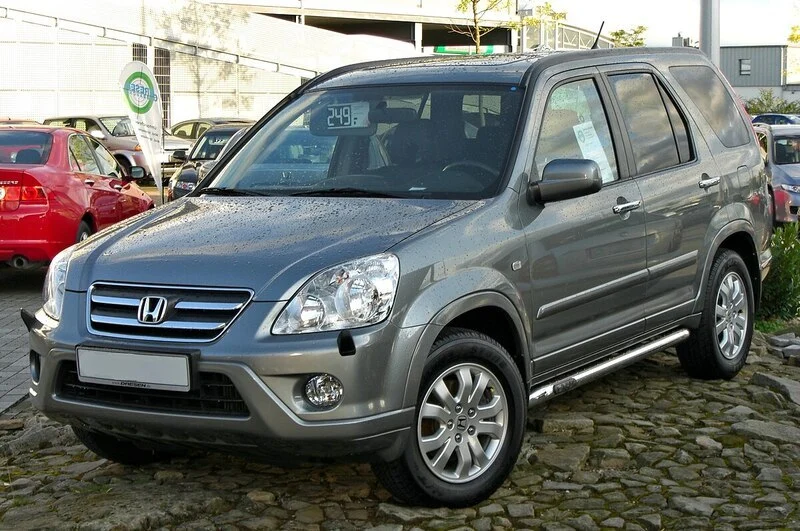
Key Features & Performance Highlights:
- Bulletproof 2.4L DOHC i-VTEC inline-4 K24 engine, producing 160 hp (162 lb-ft torque)
- Front-wheel drive (FWD) standard, and an optional 4WD system
- 5-speed automatic transmission
- Double-wishbone rear suspension
- Vehicle Stability Assist and standard side-curtain airbags
2. 2009 Honda CR-V – Balanced Performance and Reliability
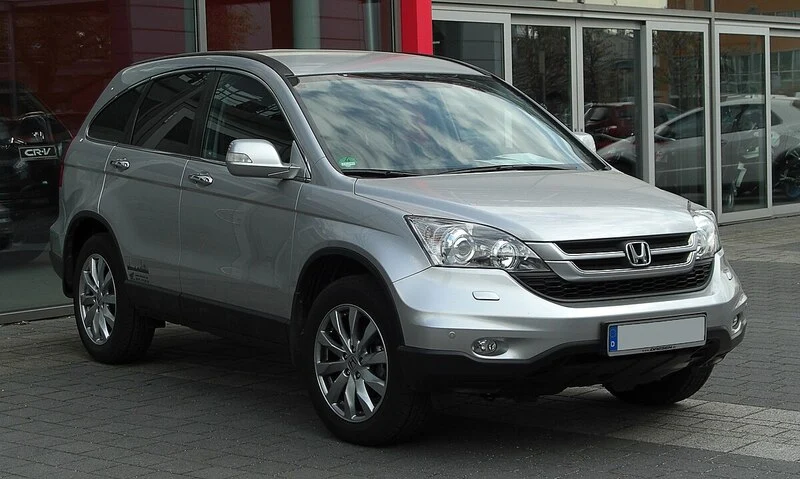
Key Features & Performance Highlights:
- Upgraded 5-speed automatic (reprogrammed shift logic for smooth shifting)
- Independent MacPherson strut front / double-wishbone rear for improved handling
- Added Active Noise Cancellation (ANC) to reduce cabin noise
3. 2016 Honda CR-V – A Winning Generation
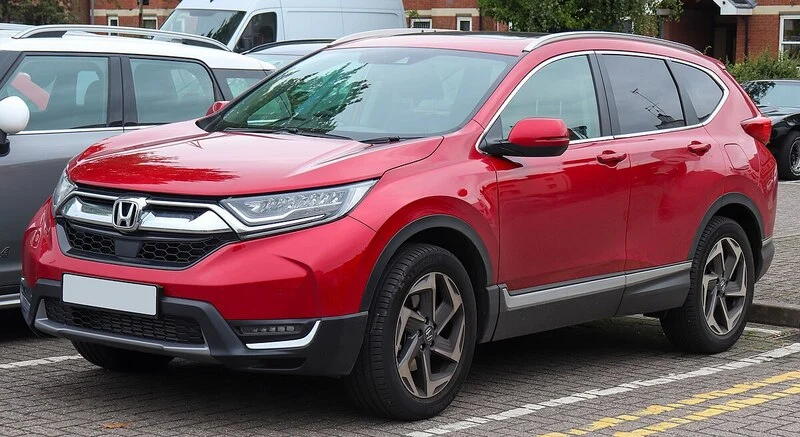
Key Features & Performance Highlights:
- Upgraded 2.4L Earth Dreams DOHC i-VTEC, producing 185 hp (181 lb-ft torque)
- CVT replacing 5-speed automatic for improved efficiency
- HondaLink infotainment, LaneWatch blind-spot camera
- Increased rear legroom, higher-quality materials
- Eco Assist™ system for better fuel economy
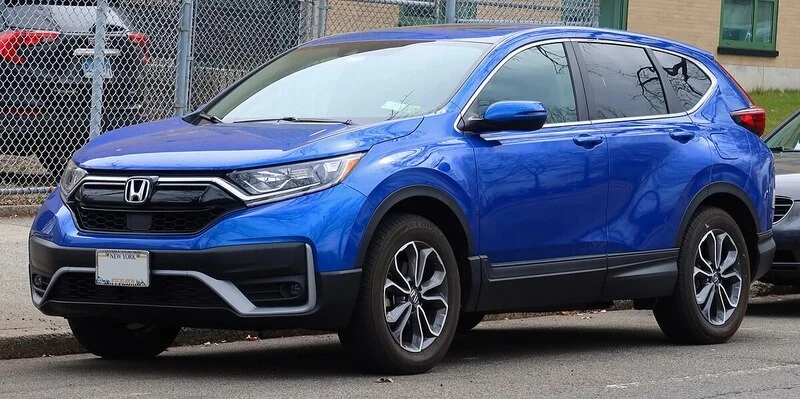
4. 2020-2021 Honda CR-V – Modern Technology and Efficiency
Key Features & Performance Highlights:
- Fuel-efficient 2.0L Atkinson-cycle engine + 2-motor hybrid system (212 hp combined)
- Continuous Variable Transmission (CVT) with G-Shift Control
- Adaptive Cruise Control
- Collision Mitigation Braking
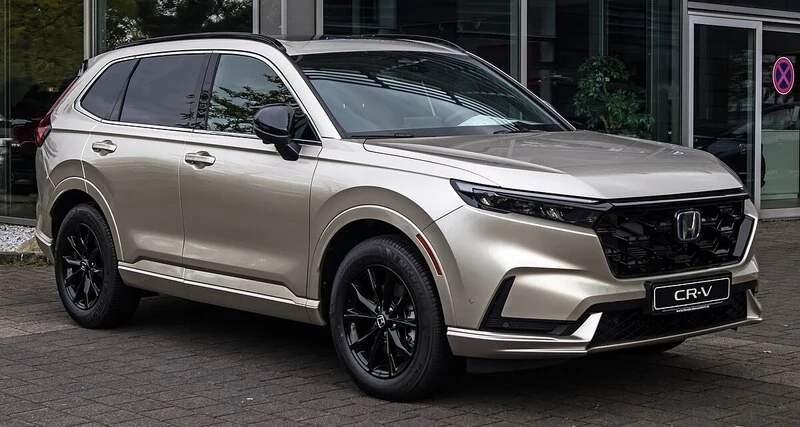
5. 2022 Honda CR-V – A Strong Contender Before the Redesign
Key Features & Performance Highlights:
- Upgraded 7-inch touchscreen Infotainment (with Android Auto & Apple CarPlay)
- More premium dashboard materials and better sound insulation. You can get to know more about the Honda CRV dashboards and their symbols.
- Honda Sensing suite standard, plus blind-spot monitoring
- Reduced NVH (Noise, Vibration, and Harshness)
Years to Avoid: Honda CR-V Models That May Not Be the Best Choice
As we have mentioned earlier, there are still certain model years that were not as reliable as other models. They had more chances to have recurring mechanical failures, which will cost you expensive repairs, and safety concerns. So, after discussions with industry experts, we have shortlisted them as:
1. 2002 Honda CR-V: Issues with Transmission and Engine
Common Problems & Performance Concerns:
- The 2.4L K24A1 had valve clearance leading to engine stalling and misfires.
- Sudden gear slipping and delayed response in automatic transmissions.
- Electrical failure issues with ignition coils and ECU malfunctions
2. 2010 Honda CR-V: Common Problems with the AC and Engine
Common Problems & Performance Concerns:
- A/C compressor failure (commonly known as ‘A/C Black Death’)
- Underpowered 2.4L K24Z6 engine with issues like burning oil at an alarming rate
- Premature suspension wear, mostly to control arms and bushings.
3. 2011 Honda CR-V: Recalls and Transmission Failures
Common Problems & Performance Concerns:
- Premature transmission failure, requiring a complete change.
- Steering whine and fluid leaks in the power steering system.
- Global Takata airbag recall, requiring urgent replacements.
- Premature wear of control arm bushings, causing instability and uneven tire wear.
Why It’s Important to Choose the Best Year for Honda CR-V
Without any doubt, the Honda CR-V has been a reliable crossover SUV with many good features. However, if you are planning to buy either a newer or older generation of this vehicle, you need to know that certain models had better reliability scores than others years.
J.D. Power, a big data analyst company that evaluates and ranks automobiles based on their reliability scores, has given the 2016 Honda CR-V a reliability score of 83 out of 100, which simply translates into a “great” rating.
Not only that, the 2020 CR-V also achieved a good reliability score of 84 out of 100, whereas the 2011 CR-V was the only model year to have the highest reliability score of 90 out of 100, among all its generations.
Avoiding Common Issues in Older Models
Just like Toyota, Honda is also globally known for their reliability and dependability, particularly in the Honda CR-V. However, its certain model years had some common issues that were pretty common in every second car, such as:
- 1997-1998: Engine oil leakage due to faulty head gaskets and easily worn piston rings.
- 2002-2003: Engine electrical problems, bad air conditioning, and airbags.
- 2007-2011: Door lock malfunctions, A/C compressor failure, and uneven tire wear.
- 2010-2011: Faulty piston rings leading to engine oil consumption.
- 2017–2018: Oil dilution in a 1.5 turbocharged engine due to a gasket issue.
However, you can simply avoid all these problems by ensuring a pre-purchase inspection through your trusted friend or a mechanic, immediately replacing the parts that are cause of these issues, and checking if the company is recalling your vehicle’s model year and addressing them properly.
Factors to Consider When Choosing the Best Years for Honda CRV
If you are planning to buy a solid value-to-money vehicle, a used Honda CR-V can be the best choice for you. However, you need to consider certain factors such as engine reliability, fuel efficiency, and safety ratings. Some of these factors are:
Reliability and Maintenance History
Honda CR-V is known for its reliability issues, such as recall history, common issues and owner-reported problems, only for certain models. For instance, the 2015 CR-V is known for transmission concerns, so better to check the model year before buying. Also, get to know the complete guide to maintaining your car for longevity and performance.
Safety Features and Ratings
Newer models of Honda CR-Vs have improved safety features such as Honda Sensing technology (which includes lane-keeping assist and adaptive cruise control). Therefore, you must always go for models such as the 2017–2022 CR-Vs highest ratings from IIHS and NHTSA.
Technology and Comfort Features
If you are a music lover, then you need to go for models from 2017 onwards. These model years have upgraded features like Apple CarPlay, Android Auto, touchscreen displays, and heated seats become standard in newer models.
Is It Better to Buy New or Used When Looking for a Honda CR-V?
Advantages of Buying a New Honda CR-V
A new Honda CR-V comes with full warranty coverage (3-year/36,000-mile basic, 5-year/60,000-mile powertrain) and better financing rates. However, these models would depreciate 15–25% in the first year.
Advantages of Choosing a Used Honda CR-V
Older models of CR-Vs have almost 20-30% less cost than the original MSRP, which means you will avoid sudden depreciation. A 2018–2022 CR-V still has modern technology at relatively
How to Find the Best Deals on the Best Honda CR-V Years?
The Honda CR-V is known for its reliability, fuel efficiency, and resale value, making it a popular choice in the used SUV market. The modern model years have better features and are relatively more value-for-money. If you want to find the best deals, you can find deals on CarGurus, AutoTrader, and Kelley Blue Book (KBB).
Tips for Buying a Used Honda CR-V
- Find low-mileage models (preferably under 100,000 miles)
- Have a clean title and service records.
- Check VIN checks and pre-purchase mechanic inspections
- Shop only during end-of-year sales or when new models are released
Negotiating for the Best Price
After finding the right car, you need to start negotiations with pre-approved financing and market research from KBB, Edmunds, and TrueCar, where you can determine the actual price range of that particular model.
Conclusion
Honda has a decades-long history of serving the U.S. market with incredibly reliable CR-Vs, which stand out for their reliability, performance, safety, and longevity. CR-Vs from years 2005, 2009, 2012-2016, and 2020-2022 still offer a better combination of efficiency, technology, and durability.
FAQs About the Best Years for Honda CRV
The 2016 Honda CR-V is the best year for a used model, which offers reliability, safety features, and great performance.
The 2016 Honda CR-V also stands out when looking for models with fewer reported problems
Newer Honda CR-V models (2020 onwards) have advanced safety technologies and improved fuel efficiency compared to older versions.
If you are buying one, thoroughly check its maintenance history, ensure its a low mileage car, and see if that particular model was recalled for any replacement.
