
Steps to Junk a Texas Car When You Still Have the Plates
Whether your vehicle has been sitting in the driveway for years or recently broke down beyond repair, junking a car in Texas is a straightforward process—if you follow the proper steps. However, many vehicle owners overlook important details, especially when they still have the license plates. Handling this part correctly is essential to avoid future liabilities, fines, or confusion with the Texas Department of Motor Vehicles (TxDMV).
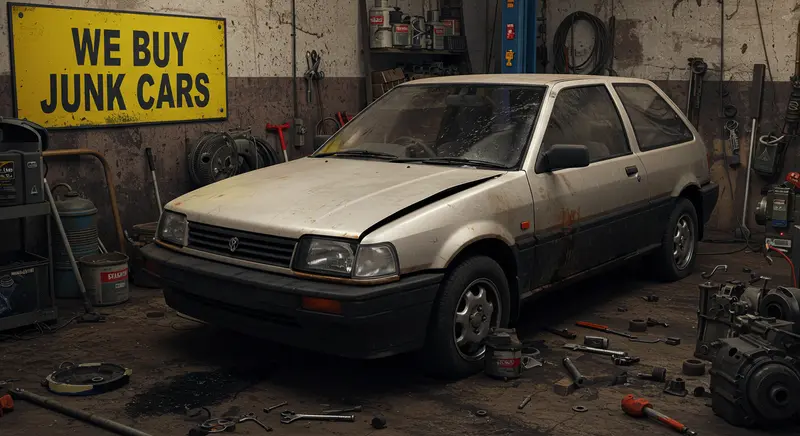
To sell your junk car quickly in Texas, even when you still have the plates, you’ll need to take specific actions to ensure the sale is legally sound and adequately documented. Understanding title transfer requirements, plate return procedures, and vehicle status updates will ensure a smooth process from start to finish.
Know the Legal Role of License Plates in Texas
In Texas, license plates are assigned to the vehicle owner, not the vehicle itself. This means plates do not automatically transfer when a vehicle is sold, junked, or donated. If you still have the plates when junking your car, they remain your responsibility unless you return them to the TxDMV or officially reassign them.
Failure to remove and return plates can expose you to toll violations, traffic tickets, and tax notices—even after the car has been dismantled or crushed. Keeping the plates after junking a vehicle without reporting the transaction can also cause issues, as your vehicle record may remain open in state databases.
Start With the Title Transfer or Ownership Documentation
Before taking any steps toward disposal, ensure that the vehicle’s title is in your name. The state of Texas requires a clear title to sell or junk a car legally. If the title has been lost, damaged, or misplaced, request a certified copy through the TxDMV using Form VTR-34.
Once you sell your junk car quickly in Texas, you must remove the license plates before the vehicle is picked up or delivered. This small step protects your legal rights and is required by state law.
File the Vehicle Transfer Notification Immediately
After the title is signed over, complete a Vehicle Transfer Notification with the Texas DMV. This step is critical, especially if you still have the plates or forgot to remove them before the vehicle left your possession. Filing this notification online or at a TxDMV office officially releases your responsibility for the car.
The transfer report requires:
- VIN
- New owner’s name and address (or the junkyard’s information)
- Date of sale or transfer
- Vehicle make and model
This document helps protect you if the car is used illegally or abandoned after the sale has been completed. Without it, you could remain on record as the vehicle’s last registered owner.
Return or Reuse the License Plates
Once you remove the plates, you have two choices: return them to the DMV or reuse them on another eligible vehicle. If you plan to junk the car and don’t intend to transfer the plates, return them to your local tax assessor-collector’s office. This action formally cancels the registration and avoids any future registration tax or inspection obligations.
If the plates are customized or linked to a personal vehicle you’ll be replacing, they can often be transferred. In that case, inform the DMV of your intent to reuse the plates and ensure they are correctly associated with the new car when registered.
Cancel Your Insurance Policy
After transferring ownership and removing the plates, contact your auto insurance provider to cancel the policy associated with the junk vehicle. Continuing coverage on a non-existent or dismantled vehicle results in unnecessary charges.
Before canceling, confirm with the buyer or salvage yard that the transaction has been finalized. Most insurers will require proof of sale, such as a bill of sale, transfer notification, or a copy of the title that shows the new owner’s signature.
Get a Bill of Sale for Your Records
Even though you’re disposing of the car as junk, a bill of sale provides a vital paper trail. This document should include:
- Date of transaction
- Vehicle identification number (VIN).
- Year, make, and model.
- The sale price or the notation “junk.”
- Signatures of both parties.
Retaining this record supports your transfer notification and protects you from any post-sale disputes or claims.
Choose a Reputable Junk Car Buyer or Salvage Yard
Only work with licensed auto recyclers or salvage buyers in the state of Texas. These professionals are familiar with the state’s regulations for accepting end-of-life vehicles and ensuring the proper disposal or recycling of hazardous materials. A licensed buyer will also issue payment, handle necessary paperwork, and provide towing if needed.
They will require the signed title and confirmation that the plates have been removed before completing the pickup. Avoid handing over a car to anyone unwilling to document the transfer or comply with Texas DMV rules.
Timing Matters: Don’t Delay the Plate Return or Vehicle Report
Postponing administrative steps after junking your car can lead to complications. While removing the plates is essential, it’s not the only task. If you wait too long to report the vehicle as sold or fail to cancel the registration, you could be held responsible for renewal notices or late fees.
Initiate the transfer notification within 30 days of the transaction. Return or reuse the plates as soon as possible to eliminate any future risks.
Avoid Fines and Ownership Confusion With Proper Follow-Through
Handling license plates correctly when junking a vehicle is just as important as transferring the title. Leaving the plates on the car or forgetting to file the sale could result in unexpected tickets, toll charges, or even collection notices. The safest way to ensure complete legal separation is to follow each step in the sequence: title transfer, vehicle notification, plate removal, and insurance cancellation. Taking action early helps you move forward with peace of mind and avoids unnecessary headaches down the road.
