
Mercedes-Benz Diagnostic Tools: A Comprehensive Guide for DIY Enthusiasts
How great it would feel to be rewarded for keeping up with the car. In other words, if DIY Mercedes-Benz owners have the needed tools, maintaining it would also mean some savings. Nowadays, a vehicle with electronic systems running on a very modern spectrum, especially luxury brands like Mercedes-Benz, requires more than manual work. A Mercedes code reader must be included in the must-have tools list for any Mercedes DIY’er.
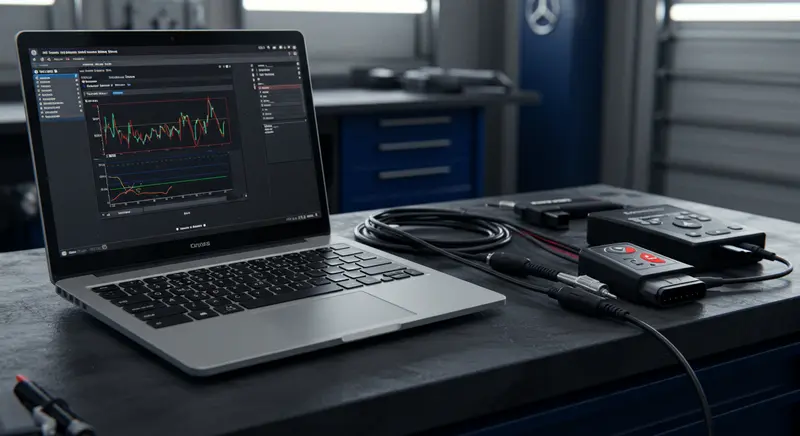
This guide will discuss the entire range of diagnostic tools available for Mercedes-Benz, starting from basic OBD-II scanners to advanced diagnostic systems like ANCEL V6 Pro+, as well as how to determine which one is just right for the job based on your level of skill and vehicle needs.
Why DIY Owners Need a Mercedes Code Reader
Mercedes-Benz vehicles have complex electronic control units (ECUs) that handle the transmission, suspension, and electronics of the AC. While generic OBD-II scanners will read basic engine codes, diagnosing and maintaining your Mercedes-Benz properly requires specific brand intervention.
Using a code reader for Mercedes allows you to:
- Access fault codes from all major systems (ABS, SRS, ECM, TCU, etc.)
- Reset maintenance lights
- Monitor live vehicle data.
- Perform service functions like oil resets and battery registration.
Having your own Mercedes code scanner empowers you to identify issues early, avoid costly dealership diagnostics, and build confidence in maintaining your vehicle.
Types of Mercedes-Benz Diagnostic Tools
Let’s explore the three main categories of diagnostic tools available for Mercedes-Benz owners:
1. Basic OBD-II Scanners
- Best for: Entry-level users with newer Mercedes-Benz models (1996 and up)
These universal scanners read generic OBD-II codes, which are typically related to emissions and engine problems. They’re plug-and-play, budget-friendly, and can be used across multiple vehicle brands.
- Pros:
- Affordable
- Easy to use
- Works with most vehicles
Cons:
- Limited to basic engine diagnostics
- Cannot read Mercedes-specific modules
Ideal Use Case: Checking why your check engine light is on or passing an emissions test.
2. Mercedes-Specific Code Readers
- Best for: Intermediate users who want brand-specific functionality
These scanners offer much deeper insight into your Mercedes systems. They can read and delete fault codes from proprietary modules such as SBC brakes, transmission, and air suspension systems.
Pros:
- Access to more vehicle systems
- Supports service functions (e.g., oil reset, EPB release)
- Offers freeze frame and live data
Cons:
- Higher cost than basic scanners
- May require occasional software updates
Popular options in this category include iCarsoft MB series and ANCEL VD700, both offering tailored support for Mercedes models.
3. Advanced Diagnostic Tools (e.g., ANCEL V6 Pro+)
- Best for: Experienced DIYers and semi-professionals
If you work on multiple Mercedes-Benz vehicles or prefer to handle advanced repairs, investing in a professional-grade diagnostic tool is worth it. The ANCEL V6 Pro+, for instance, offers full-system diagnostics, ECU coding, and bi-directional actuator testing.
It supports deep-level diagnostics and system adaptations, making it ideal for users who want OE-level performance without the dealership prices.
For a detailed breakdown of how to choose the right advanced Mercedes diagnostic tool, including why the ANCEL V6 Pro+ is highly recommended, refer to this guide on choosing dedicated diagnostic tools for Mercedes-Benz.
Pros:
- Access to all ECUs and systems
- Bi-directional functionality
- ECU coding and advanced resets
Cons:
- Higher investment
- Requires more technical know-how
Ideal Use Case: Professional-level diagnostics, coding, and full-vehicle servicing.
The Most Important Feature in a Mercedes Code Scanner
Whether acquiring your primary scanner or upgrading to a more complicated device, look into these features.
- Full-System Diagnostics: Ensure the tool is open to the ABS, SRS, TCU, Air Suspension, and BCM modules, which are critical to Mercedes-Benz maintenance.
- Bi-Directional Control: The advanced tools are the ones that can send commands to components like fuel injectors, EGR valves, and cooling fans to test their functions.
- Live Data & Freeze Frame: Accessing monitoring sensor data will help you track precise intermittent faults and aid directed diagnosis.
- Service Functions: These include oil light reset, battery registration, SAS (Steering Angle Sensor) calibration, and EPB (Electronic Parking Brake) release, essential for routine maintenance.
- Software Support & Updates: Select tools that get updated frequently so that their models and equipment will be at par with the latest Mercedes versions.
Benefits of Using a Mercedes Diagnostic Tool
- Cost Savings: Skip expensive dealership diagnostics and handle issues yourself.
- Quick Troubleshooting: Diagnose engine misfires, transmission issues, or suspension faults in minutes.
- Preventive Maintenance: Check for wear and tear to avoid failure before it occurs.
- Customization and Coding: Advanced tools allow you to activate hidden features and configure components.
Recommended Diagnostic Tools for Mercedes-Benz (2025 Edition)
| Tool Name | Type | Ideal User Level | Price Range |
| ANCEL VD700 | Mercedes-specific | Intermediate | $90 – $130 |
| iCarsoft MB V3.0 | Brand-specific | Intermediate | $150 – $250 |
| ANCEL V6 Pro+ | Professional-grade | Experienced/Advanced | $350 – $600 |
How to Use a Mercedes Code Reader: Step-by-Step
- Obtain the OBD-II Port: This port is typically located beneath the dashboard near the steering column.
- Insert Scanner: Attach your scanner with the ignition on, but the engine off.
- Scan for Faults: Find the scanner menu to read diagnostic trouble codes (DTCs).
- Interpreting and Acting on DTCs: Look for the definitions of DTCs, or use the scanner’s built-in definitions to identify the problem with one’s vehicle.
- Codes Clear (Optional): After repairing the car, clear the system to see whether the fault will reappear.
Final Thoughts
Owning a Mercedes code reader is one of the most fabulous investments a DIYer could make- someone interested in checking a check engine light or doing proper diagnostics. All these things are out of one’s hands with the right tool.
For beginners, a simple OBD-II is a good starting place. For those serious about their Mercedes-Benz, specific tools such as the ANCEL V6 Pro+ are unmatched in accessing the complex vehicle systems and save time and money. Make sure to choose one within your technical comfort zone for the specific functions you require.
A wise investment in a Mercedes code reader means much more than vehicle maintenance; it means preserving the performance and luxury of the Mercedes-Benz brand.
