
Urban Logistics and the Challenge of Space: A Growing Concern for the Trucking Industry
Why Infrastructure and Accessibility Are Shaping the Future of Freight
As urban centres across the United States continue to expand, the pressure on infrastructure systems becomes more intense. Cities like Atlanta, a major logistics hub in the Southeast, are at the centre of this transformation. With increasing demand for fast deliveries, growing e-commerce traffic, and constant freight movement, the trucking industry is facing an emerging crisis—not just in terms of road congestion, but in one of its most basic needs: space.
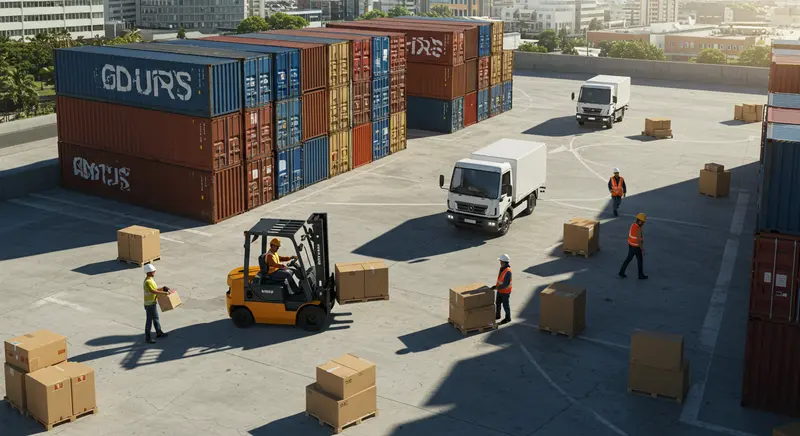
The trucking industry is the backbone of the American supply chain. Every day, tens of thousands of trucks pass through major metropolitan areas to deliver food, fuel, medical supplies, and retail goods. Yet one of the most overlooked challenges drivers face is where to safely and legally park. In cities like Atlanta, the issue is becoming more severe as available land gets absorbed by commercial development, leaving truckers with fewer and fewer options.
While solutions like dedicated truck rest areas and industrial zone parking lots exist, they often fall short of meeting actual demand. For drivers, especially those on tight schedules or hauling time-sensitive loads, the inability to find secure and convenient parking creates serious consequences. Beyond stress and inefficiency, it often leads to violations of rest regulations, unsafe roadside stops, or even theft and damage to cargo.
Planning Cities with Freight in Mind
One of the key challenges in solving the urban truck parking atlanta issue is balancing competing land use priorities. City planners often prioritize residential, retail, or commercial developments that generate higher tax revenue. Freight logistics, by contrast, is frequently seen as less desirable or incompatible with urban revitalization efforts. However, ignoring the needs of the freight industry can have ripple effects throughout a city’s economy.
When trucks are forced to park far from delivery sites or take circuitous routes to find legal rest areas, it not only increases fuel costs but also delays the movement of goods. Over time, this leads to higher operational costs for businesses, increased emissions from longer travel times, and decreased road safety due to fatigued drivers.
Forward-thinking municipalities are beginning to consider freight as a vital component of their long-term infrastructure planning. This includes zoning adjustments for logistics facilities, grants for trucker services, and public-private partnerships to develop multi-use transport corridors. These strategies not only support the needs of drivers but also make cities more efficient and resilient.
Additionally, the use of technology—such as apps that allow drivers to reserve parking spots or receive real-time information on availability—is helping to reduce inefficiencies. However, tech can only go so far. Without physical infrastructure in place, even the best digital tools can’t solve the shortage of actual parking space.
The Human Side of Parking Shortages
For many people outside the logistics industry, truck parking might seem like a minor logistical detail. But for drivers, it’s a daily reality that affects their health, safety, and livelihood. Long-haul drivers are required by federal law to rest a certain number of hours for every stretch of time they drive. Without access to proper parking, they face a difficult choice: risk fines or penalties by driving longer than permitted, or park in unauthorized or unsafe areas.
This is more than a regulatory issue. It’s about the human cost of inefficiencies in infrastructure planning. Drivers are often left with nowhere to sleep, eat, or take care of basic needs because cities haven’t prioritized freight-friendly facilities. Meanwhile, businesses that rely on freight delivery often don’t realize the indirect costs they bear due to delays, re-routing, or the need for additional labor to manage parking-related logistics.
In regions experiencing population and industrial growth, such as areas around Houston and Atlanta, the issue becomes even more urgent. That’s why communities like Katy, Texas have started to recognize the importance of supporting the trucking workforce through improved infrastructure. Facilities that provide services like secure parking, showers, maintenance, and food can become essential lifelines for drivers. Services such as truck parking katy not only address this need but also reduce congestion and improve safety on surrounding roadways.
A Roadmap for the Future
The urban trucking landscape is at a crossroads. As demand for delivery services grows and cities become more congested, solving the parking issue is no longer optional—it’s a strategic necessity. Supporting the trucking workforce through accessible, safe, and well-managed parking solutions is essential not just for drivers, but for the economy at large.
Atlanta, like many large cities, stands as both a challenge and an opportunity. With the right approach, it can become a model for balancing urban growth with industrial functionality. It will require collaboration between governments, businesses, and logistics professionals to design infrastructure that acknowledges the essential role trucks play in the daily life of a city.
For communities and businesses that depend on reliable freight movement, the solution starts with recognizing that a truck’s journey doesn’t end at the warehouse or delivery dock. It ends when the driver has found a place to rest. Addressing that final mile with care and intention is what will define the future of urban logistics.
