
Why Motorcycle Accidents Happen More Often in Cities Like Boston
Riding a motorcycle in Boston is more dangerous than in most rural or suburban areas because the streets are narrow, the traffic is unpredictable, and the intersections are crowded. Urban areas are different from highways and open roads because there are a lot of cars, visibility is limited, and people make mistakes all the time.
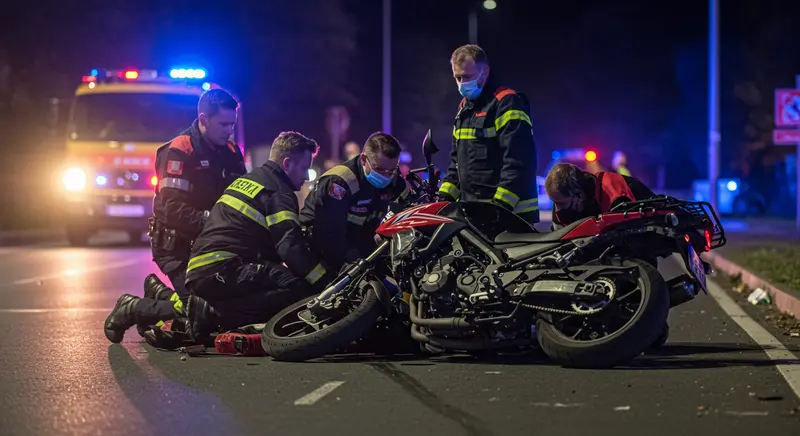
This article explains why motorcycle accidents happen more often in cities like Boston. It talks about traffic patterns, how drivers act, how exposed riders are, and how the environment affects accidents. It also has information about crashes in your area, advice on how to ride more safely, and tools you can use to lower your risk. To stay safe on Boston’s busy roads, you need to know about these risks, whether you’re a new or experienced rider.
Problems with City Traffic and Seeing Riders
Boston is a city with a lot of roads and not much space, which makes riding there very dangerous. Not all accidents happen because of careless riding; some happen because other drivers don’t see or expect motorcycles in time.
A Lot of Traffic and Intersections
Motorcycle accidents happen most often at city intersections. When a car turns left in front of a motorcycle in Boston, a lot of accidents happen. Heavy traffic slows down people’s reactions, and drivers often don’t see motorcycles at all or don’t know how fast they are going.
The more cars there are in a small space, the more likely it is that a car will cross a rider’s path.
Limited Visibility and Conspicuity for Riders
Visibility is a big factor in accidents in cities. There are a number of things that make it harder for drivers to see motorcyclists:
- Riders often wear clothes that are dark or faded.
- The lights on the street might not be very good or they might not always work.
- During the day, headlights might be dim or not on at all.
- Cars and trucks make big areas where you can’t see.
The Hurt Report and the MAIDS study show that most motorcycle crashes with more than one vehicle happen because the other driver didn’t see the motorcycle in time to avoid hitting it.
Behavioral and Human Error Causes
One of the main reasons motorcycles crash in cities is because people make mistakes. In Boston, a lack of training, drinking, and other distractions make the problem worse.
- Collisions When Turning Left and Not Yielding: One of the most common kinds of accidents happens when a car turns left in front of a motorcycle that is going straight. Drivers often don’t see a motorcycle coming or think they have enough time to turn.
- Going Too Fast, Being Distracted, and Being Impaired: A lot of drivers in Boston are either in a hurry, using their phones, or drunk or high. These things make motorcyclists more likely to get hurt, especially since they don’t have as much protection in a crash.
- Riders Who Don’t Have a Lot of Experience and Haven’t Had a Lot of Training: Not getting the right training makes people react more slowly and make bad decisions in traffic. Many riders never take a formal safety course, which makes them more vulnerable in cities where they need to be aware of their surroundings and have quick reflexes all the time.
Statistics and Exposure in Cities
Motorcyclists in Boston are more likely to get hurt because they ride in busy, complicated places so often and for so long. More cars on the road means more chances for fights and accidents.
Time and Exposure to Riding in Boston
- Motorcyclists in Boston have to deal with:
- More intersections
- More stops
- Drivers who don’t always follow the rules
- Less room to move
Even short trips involve a lot more interactions with other people on the road than in rural or suburban areas. The more you drive in these conditions, the more likely you are to get into an accident — especially if other drivers aren’t paying attention or don’t see you.
Trends and Data About Motorcycle Crashes in Boston
Recent research shows a worrying trend in the city. Boston motorcycle accident statistics show that the city has a high number of motorcycle accidents every year:
- About 50 deaths each year
- 80% of reported motorcycle crashes end in serious injury or death
- Almost 30% of these events involve drinking
This information shows how important it is for motorcyclists to be visible, trained, and alert when riding in Boston’s busy streets.
Contributors to Infrastructure and the Environment
The way Boston’s roads are laid out and how they are kept up also make motorcycle accidents happen more often.
Bad Road Conditions and Barriers
Motorcycles are much more sensitive to bumps and dips in the road than cars. In Boston, riders have to get around:
- Potholes and bumpy roads
- Lane markings that have faded
- Barriers that only work for cars and not motorcycles
- Grates in the drainage that can catch a tire
These things can easily throw a rider off balance or make them crash when they suddenly brake or turn.
Lane Splitting and Heavy Traffic Flow
Lane splitting is tempting in heavy traffic, even though it’s not always legal. The problem is that a lot of drivers don’t expect or see a motorcycle passing between lanes, which leads to sideswipes and dooring.
- Boston is especially dangerous for these kinds of moves because the lanes are narrow and there are a lot of stops.
Safety Tips and Advice from Experts
Not riding in the city doesn’t mean lowering your risk; it means getting ready for it.
Better Ways for Riders to See Things
Motorcyclists should do everything they can to be seen:
Wear clothes that are bright or reflective
Use your headlights during the day
Put yourself in a place where you can be seen in mirrors
Don’t stay in blind spots for too long
Training and Riding Defensively
Take the lead and ride safely:
- Always look at intersections
- Expect cars to move quickly
- Keep a safety zone on all sides
- Take a motorcycle safety course that has been approved
Avoiding and Being Aware of Alcohol and Tiredness
Don’t ever ride when you’re drunk. Alcohol and being tired are two of the most common causes of motorcycle crashes in Boston. If you’re tired or have been drinking, get off the bike and find another way home. If you’ve been involved in a crash and need help understanding your rights, organizations offering Boston legal aid can provide guidance and support.
Tools for Quick Reference
Cause of a Crash vs. Prevention Table
| Reason | How It Happens | Safe Action |
| A car makes a left turn | Driver doesn’t see rider | Slow down at intersections and look for headlights |
| Driver who is distracted | Using the phone, not paying attention | Stay away and don’t look away |
| Not easy to see | Dark clothes in low light | Use daytime headlights and wear bright clothes |
| Lane splitting | Going between cars that are going slowly | Avoid unless it’s safe and legal |
| Potholes or bumpy roads | The rider loses control | Look ahead on the road and ride slower |
List of Things You Should and Shouldn’t Do
Do’s:
- Wear gear that is easy to see
- Take a certified safety course
- Be careful at intersections
- Always use your headlights
- Check the road surface often
Don’ts:
- Don’t ride when you’re tired or drunk
- Don’t think that other drivers can see you
- Don’t go too fast through intersections
- Don’t ride where you can’t see
- Only lane split if it’s safe and legal
Last Thoughts
In short, riding a motorcycle in a city like Boston is hard because of heavy traffic, poor visibility, bad road conditions, and drivers who aren’t paying attention.
But riders can greatly lower their risk by staying visible, riding defensively, not drinking, and staying informed.
Before each ride, use the quick-reference tools above and get ready both mentally and physically.
