
Why Shipping Your Car Can Be Cheaper Than Driving It Yourself?
Moving a vehicle across state lines often seems straightforward: get behind the wheel and drive to the destination. Many vehicle owners assume driving is the cheapest option because they avoid paying a professional auto transport company. However, when all expenses are calculated, shipping a vehicle can often cost the same or less than driving it yourself.
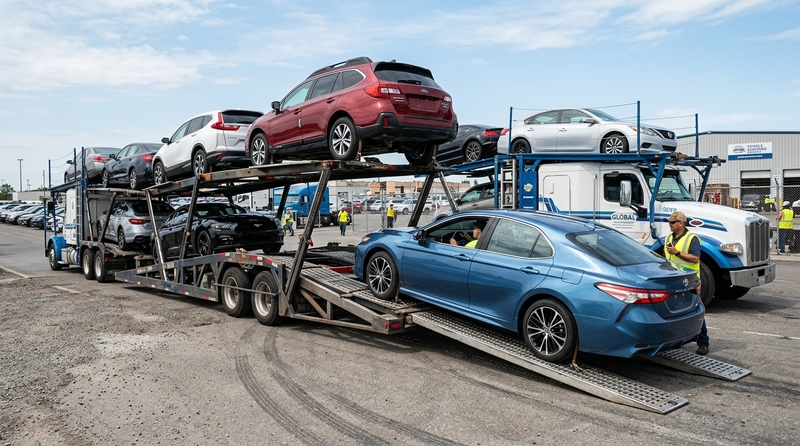
For individuals relocating, buying vehicles from auctions, transferring inventory between dealerships, or managing fleet logistics, understanding the true cost of vehicle transportation is essential. Beyond fuel, long-distance driving involves lodging, meals, vehicle wear, maintenance, lost productivity, and safety risks.
As interstate vehicle transportation grows in the United States, many consumers and businesses discover that professional auto shipping offers significant financial and practical advantages. This article explores why shipping your car can be cheaper than driving and examines hidden costs many overlook when planning a long-distance move.
Understanding the True Cost of Driving Long Distance
Fuel expenses are frequently the only consideration when comparing driving versus shipping. Gasoline is undoubtedly a significant expense, but it accounts for only a small share of the overall cost of driving a long distance.
The U.S. Department of Energy claims that fuel economy varies widely by vehicle type and that fuel costs can rise sharply during interstate travel, particularly when regional fuel price differences occur. Fuel is just one component of the problem, though.
A normal cross-country drive might include:
- Fuel costs
- Hotel accommodations
- Meals and refreshments
- Vehicle maintenance
- Tire wear
- Oil changes
- Unexpected repairs
- Tolls and parking fees
- Lost work time
The total cost may exceed the cost of hiring a professional car shipping company.
Reasons Why Car Shipping Is Cheaper Than Driving It Yourself
Below are some critical reasons that prove that car shipping is cheaper and more beneficial than driving your car.
1) Fuel Expenses Add Up Quickly
Fuel is often the most visible cost of a road trip. For example, consider a vehicle traveling 2,800 miles from California to Florida.
Assuming:
- Vehicle fuel economy: 25 miles per gallon
- Distance: 2,800 miles
- Fuel required: 112 gallons
- Average gasoline price: $3.50 per gallon
The fuel cost alone would be approximately $392. Costs rise significantly for larger SUVs, pickup trucks, or commercial vehicles with poorer fuel efficiency.
The U.S. Energy Information Administration (EIA) reports that fuel prices remain prone to seasonal and regional volatility, making it challenging to forecast long-distance transportation costs. While fuel may seem manageable, it is only the beginning of total travel expenses.
2) Hotels and Overnight Accommodations Increase Costs
Many interstate trips require multiple days of travel. A 2,000- to 3,000-mile journey often takes three to five days, depending on road conditions, weather, traffic, and driver fatigue.
Travelers commonly spend:
- $100–$200 per night on hotels
- Additional taxes and fees
- Parking expenses
Transportation expenses might increase by $300 to $600 for even a short three-night trip. For families traveling together, lodging expenses increase due to larger room needs and extra travel-related purchases.
These accommodation expenses are eliminated by professional auto travel.
3) Meals and Daily Travel Expenses
Long road trips also generate food-related costs that are frequently underestimated.
Drivers typically purchase:
- Restaurant meals
- Fast food
- Snacks
- Beverages
- Convenience store items
Over a few days, these costs mount up rapidly. Meals can cost between $100 and $200 for a single traveler on a cross-country trip. Expenses could double or triple if there are several travelers.
These seemingly insignificant expenses should be considered when comparing transportation expenses.
4) Vehicle Depreciation and Wear and Tear
One of the most overlooked expenses of long-distance driving is vehicle wear and tear.
Every mile driven contributes to:
- Tire wear
- Brake wear
- Engine usage
- Transmission stress
- Suspension deterioration
- Fluid consumption
The Internal Revenue Service (IRS) claims that the standard mileage rate used for business travel accounts for operational expenses, maintenance, depreciation, insurance, and gasoline. The IRS business mileage rate for 2025 was 70 cents per mile.
Using that benchmark, a 2,500-mile trip could cost about $1,750 in total vehicle operating expenses. Not every vehicle owner will have expenses at that exact rate, but it shows how mileage impacts vehicle value and ownership costs. Professional vehicle shipping reduces unnecessary mileage and helps preserve resale value.
5) Increased Maintenance Requirements
Maintenance schedules are frequently accelerated by long drives. Many cars need the following after a cross-country trip:
- Oil changes
- Tire rotations
- Tire replacements
- Brake inspections
- Fluid checks
- Air filter replacements
Higher-mileage vehicles might require more maintenance sooner than anticipated. Reducing needless mileage extends service intervals and lowers long-term maintenance costs for dealerships and commercial fleet operators.
Vehicles can reach their destination through shipping without accruing thousands of extra miles.
6) The Cost of Time Matters
Time is a valuable resource often ignored when comparing transportation options. Consider a four-day interstate drive.
A driver may spend:
- 30–40 hours behind the wheel
- Additional hours for meals and fuel stops
- Time arranging accommodations
- Time spent dealing with traffic and delays
For business owners, professionals, or logistics managers, that time may have measurable economic value. Rather than spending several days driving, many choose to fly to their destination while their vehicle is transported separately.
This approach often allows them to:
- Return to work sooner
- Focus on business operations
- Avoid travel-related stress
- Maintain productivity
The value of time saved frequently outweighs the expense of vehicle transportation.
7) Reduced Risk of Accidents
Driver fatigue remains a major factor in traffic accidents, according to regular data from the National Highway Traffic Safety Administration (NHTSA).
Driving long distances increases exposure to:
- Fatigue
- Severe weather
- Heavy traffic
- Construction zones
- Distracted drivers
- Road hazards
Even a minor accident can cause significant financial consequences, such as:
- Repair costs
- Insurance claims
- Deductibles
- Rental vehicles
- Delayed schedules
Professional auto transport reduces the time your vehicle spends on public roads and lowers exposure to these risks. For high-value vehicles, classic cars, luxury automobiles, and dealership inventory, risk reduction alone can justify shipping instead of driving.
Auto Shipping Provides Predictable Costs
A major advantage of vehicle transport is cost predictability.
When driving long distances, expenses can vary due to:
- Fuel price changes
- Weather delays
- Mechanical problems
- Hotel availability
- Traffic conditions
Unexpected incidents can rapidly increase total expenses. Professional auto transport services, on the other hand, typically provide a quote for transportation costs before the shipment begins.
This helps individuals and businesses budget more accurately and avoid unexpected travel expenses. For logistics professionals and dealership operators, predictable transportation costs improve planning and efficiency.
Businesses Benefit Even More from Vehicle Shipping
For dealerships, auctions, rental companies, and fleet operators, vehicle shipping often provides a significant financial advantage.
Driving vehicles between locations can lead to:
- Additional labor costs
- Higher mileage accumulation
- Faster depreciation
- Increased maintenance expenses
- Reduced resale value
Shipping multiple vehicles on a carrier enables businesses to move inventory more efficiently and maintain vehicle condition.
Freight and logistics industry analyzes show that vehicle transportation networks are meeting increased demand for interstate automotive movement as e-commerce vehicle sales and relocations rise across the United States.
For businesses with multiple vehicles, shipping often results in measurable cost savings compared to having employees drive each vehicle individually.
Real-World Cost Comparison: Driving vs. Shipping
To illustrate the financial differences, consider the following example.
Scenario: 1,500-Mile Interstate Move
A vehicle owner needs to transport a sedan about 1,500 miles.
Estimated Driving Costs
| Expense | Estimated Cost |
| Fuel | $200–$250 |
| Hotel (2 nights) | $250–$400 |
| Meals | $75–$150 |
| Tolls & Parking | $25–$75 |
| Vehicle Wear & Tear | $300–$600 |
| Lost Productivity | Variable |
| Total Estimated Cost | $850–$1,475+ |
Estimated Shipping Costs
| Expense | Estimated Cost |
| Open Auto Transport | $700–$1,200 |
| Additional Travel Costs | Minimal |
| Total Estimated Cost | $700–$1,200 |
Although rates depend on route, season, vehicle size, and market conditions, this example shows that professional transport can be as affordable as, or even less costly than, driving when all expenses are included.
Long-Distance Relocations Favor Vehicle Shipping
Every year, millions of Americans move for work, school, military postings, retirement, or family reasons. Interstate migration remains a major factor in population movement across the country, according to data from the U.S. Census Bureau.
For those relocating long distances, driving can add unnecessary stress to an already complex process.
Relocating often involves:
- Coordinating moving companies
- Managing housing arrangements
- Starting new employment
- Handling paperwork and logistics
Driving a vehicle across several states introduces another significant responsibility. Shipping enables movers to focus on their transition and ensures the vehicle arrives safely at the destination.
Online Vehicle Buyers Often Save More by Shipping
The rise of online automotive marketplaces has changed how consumers purchase vehicles. Consumers now regularly purchase vehicles from:
- Out-of-state dealerships
- Online auctions
- Private sellers
- Specialty automotive markets
Buyers often first consider flying to the seller’s location and then driving the car home. But, this choice frequently consists of:
- Airline tickets
- Fuel expenses
- Hotels
- Meals
- Additional mileage on the newly purchased vehicle
Often, shipping is the more cost-effective option. It also prevents immediate wear on a newly purchased vehicle and helps buyers avoid unexpected issues during the return trip.
Seasonal Travelers Can Reduce Expenses
Many retirees and seasonal residents, often called “snowbirds,” travel between northern and southern states each year.
Some common routes are:
- New York to Florida
- Michigan to Arizona
- Illinois to Texas
- Pennsylvania to South Carolina
Driving these routes twice a year can lead to significant long-term expenses.
Key expenses include:
- Fuel
- Lodging
- Maintenance
- Tire wear
- Driver fatigue
Shipping is often a cost-effective alternative. Many seasonal travelers choose to fly to their destination and have their vehicle transported separately, which reduces travel stress and long-term operating costs.
Shipping Helps Preserve Vehicle Value
Mileage directly affects vehicle resale value. Used vehicle buyers frequently evaluate:
- Total odometer reading
- Service history
- Overall condition
- Maintenance records
Adding thousands of miles during a long-distance move can lower future resale value, especially for:
- Luxury vehicles
- Sports cars
- Collector vehicles
- Low-mileage vehicles
Professional transport helps owners avoid unnecessary mileage and maintain vehicle value. For dealerships and auction buyers, preserving mileage is often essential for business.
Commercial Logistics Benefits
Businesses managing vehicle inventories must make transportation decisions that affect profitability. While driving vehicles individually may seem economical, several hidden costs can arise:
- Labor Expenses: Employees assigned to transport vehicles require compensation, travel reimbursement, lodging, and meals.
- Operational Downtime: Employees transporting vehicles are unavailable for other revenue-generating tasks during transit.
- Vehicle Depreciation: Increased mileage can decrease vehicle value before sale.
- Increased Risk Exposure: Spending more time on public roads raises the risk of accidents.
Vehicle shipping enables businesses to move multiple units at once and reduce operational inefficiencies. For this reason, dealerships, auctions, fleet managers, and leasing companies routinely use professional transportation networks.
Environmental Considerations
Environmental impact is an increasingly important consideration in transportation decisions. Although all transportation methods have an environmental footprint, consolidated vehicle transport is often more efficient than multiple individual trips.
A multi-car carrier can transport several vehicles on a single route.
This approach can help reduce:
- Total fuel consumption per vehicle
- Road congestion
- Overall transportation-related emissions
The U.S. Department of Transportation supports freight efficiency initiatives to improve sustainability across national logistics networks.
While environmental benefits vary by route and shipment type, consolidated transport often uses transportation resources more efficiently.
Factors That Influence Shipping Costs
To compare options accurately, vehicle owners should understand the factors that affect transport pricing.
Common factors include:
- Distance: Longer routes usually cost more in total but often have a lower cost per mile.
- Vehicle Size and Weight: Larger vehicles need more room and capacity in the trailer.
- Transport Type: The most cost-effective alternative is usually open transportation. Enclosed transportation offers more protection, but it costs more.
- Seasonality: Demand typically increases during the summer moving season, snowbird migration periods, holiday travel periods, and route popularity. Major interstate routes usually offer more competitive pricing than remote destinations.
Understanding these factors helps vehicle owners make informed transportation decisions.
When Driving May Still Make Sense
Although shipping is often more cost-effective, driving can be appropriate in specific circumstances.
Examples include:
- Short-distance moves
- Road trips planned for leisure
- Flexible schedules
- Situations where additional travel expenses are minimal
For trips of a few hundred miles or less, driving may be more economical. As distance increases, however, hidden costs associated with driving become more substantial.
As a result, many consumers find professional vehicle transport more cost-effective for longer distances.
Conclusion
Many vehicle owners assume driving is always less expensive than shipping. However, a detailed cost analysis often shows the opposite.
The cost of fuel is just one aspect of long-distance travel. The actual cost of driving can exceed that of hiring a professional auto transport when housing, meals, vehicle depreciation, maintenance, lost productivity, tolls, and accident risk are factored in.
For interstate moves, online vehicle purchases, dealership transfers, fleet management, and seasonal travel, shipping often offers a more predictable and cost-effective solution.
As transportation costs change and consumers recognize hidden travel expenses, professional vehicle shipping remains a practical way to reduce costs, protect vehicle condition, and save time.
FAQs:
Yes, in many long-distance cases. When factoring in fuel, lodging, meals, vehicle wear, and lost time, shipping can be as affordable or even less expensive than driving.
Although each case varies, shipping is often more cost-effective for trips over 500 to 1,000 miles, particularly when overnight stays are needed.
Yes. Shipping avoids unnecessary mileage and reduces wear on tires, brakes, engine parts, and other systems that impact resale value.
Yes. Dealerships, auctions, fleet operators, and leasing companies often ship vehicles to reduce labor costs, mileage, and operational risks.
Depreciation and wear are often the most overlooked costs. Many drivers focus on fuel but overlook maintenance, tire wear, and the effect of added mileage on value.
