
The Riskiest Roads in Dallas and What Makes Them Dangerous
Certain Dallas roads have earned a reputation for high crash rates, and the reasons go beyond simple congestion. These stretches combine heavy traffic, complex intersections, and fast changing conditions that catch drivers off guard. When these elements overlap, the likelihood of serious crashes increases noticeably.
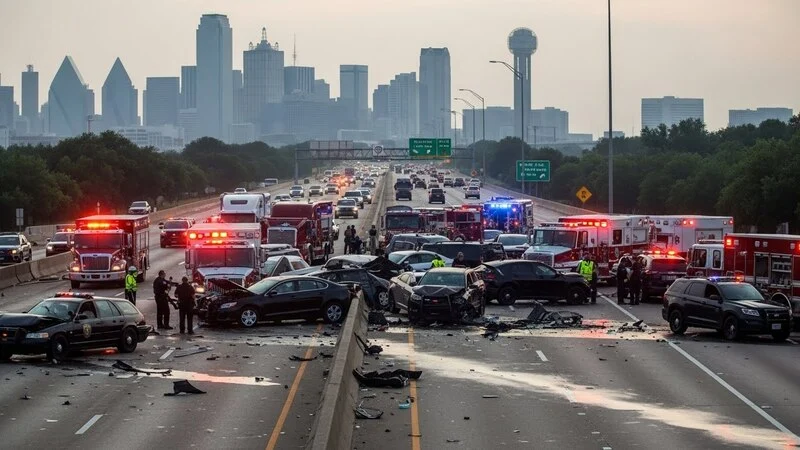
Local drivers often know which areas feel tense or unpredictable, yet the underlying causes are not always obvious. Road design, traffic flow, and environmental factors work together to shape risk. Some locations struggle with narrow lanes, sudden merges, or confusing layouts that make safe navigation harder than it should be.
This is where the most dangerous roads and intersections in Dallas become a real concern, because consistent crash patterns highlight problems that cannot be dismissed as coincidence. These roads show how design, behavior, and environment combine to create conditions that demand extra caution.
Design Flaws and Road Layout Issues
Many of the riskiest Dallas roads share similar design challenges. Sharp curves, short exit ramps, and limited shoulder space reduce the margin for error. When drivers must make quick decisions in tight spaces, small mistakes can lead to major collisions.
Intersections with unusual layouts or unclear lane markings also contribute to confusion. In some areas, drivers must shift lanes abruptly or navigate sudden splits in the roadway. These features interrupt smooth travel and increase the likelihood of last second maneuvers.
Older road segments add to the problem. Infrastructure that was originally designed for lighter traffic now struggles under modern demand. Without updated designs, these areas remain hotspots for serious incidents and near misses.
Heavy Traffic Patterns and Driver Behavior
Dallas roadways experience some of the heaviest traffic in the region, especially during peak commuting hours. High volumes create constant pressure on drivers, making sudden stops and unpredictable lane changes more common. This congestion magnifies the consequences of even small driving errors.
Driver behavior compounds these risks. Speeding, tailgating, and aggressive merging occur frequently on major Dallas corridors. When drivers are focused on beating traffic instead of maintaining safe distances, crashes become more likely and more severe.
Distracted driving also plays a significant role. Phones, navigation systems, and in car features pull attention away from the road. On already difficult roadways, these distractions drastically increase danger and contribute to persistent accident trends.
Visibility Lighting and Signage Factors
Poor visibility can turn an already challenging road into a hazardous one. Some Dallas corridors lack consistent lighting, making it harder for drivers to see obstacles, lane boundaries, or pedestrians at night. Dim or uneven lighting reduces reaction time and increases crash risk.
Signage also plays a major role. When signs are placed too close to exits or partially obstructed, drivers have less time to respond. Confusing arrows or unclear lane instructions can trigger sudden lane changes, especially for drivers unfamiliar with the area.
Weather compounds these issues. Rain, glare, and low clouds make it even more difficult to interpret road markings. On roads that already struggle with lighting or signage problems, these conditions can quickly escalate into dangerous situations.
Ongoing or Proposed Safety Improvements
Dallas continues to invest in projects aimed at reducing crash rates on its most dangerous roads. Some improvements focus on redesigning difficult intersections or widening lanes to create more room for drivers. These structural changes help smooth traffic flow and reduce sudden maneuvers.
Other efforts address visibility and communication. Enhanced lighting, clearer signage, and updated pavement markings make it easier for drivers to anticipate upcoming turns or lane changes. These upgrades help reduce confusion, especially for commuters navigating busy corridors.
Long term plans may include expanded public transit options or technology driven solutions that manage congestion more effectively. As these improvements take shape, they offer a clearer path toward safer travel on roadways that have historically posed challenges.
Conclusion
Dallas contains several roadways where crash rates consistently run high, and the reasons form a complex picture. Road design, traffic behavior, and visibility all contribute to elevated risk. Understanding these elements helps drivers approach these areas with greater caution.
Ongoing improvements show that the city recognizes these challenges and is working to address them. Infrastructure updates, clearer signage, and targeted safety measures all play a role in reducing future collisions.
By recognizing what makes dallas dangerous roads more hazardous, drivers and policymakers can take steps that support safer travel for everyone who uses these busy corridors.
