
PCP Finance Explained: What UK Drivers Should Know
If you’re exploring car finance for the first time, PCP can be confusing because it works differently from a standard loan. Many drivers today want manageable costs, clear choices and the option to change their plans later, so PCP has become one of the most popular ways to finance a car.
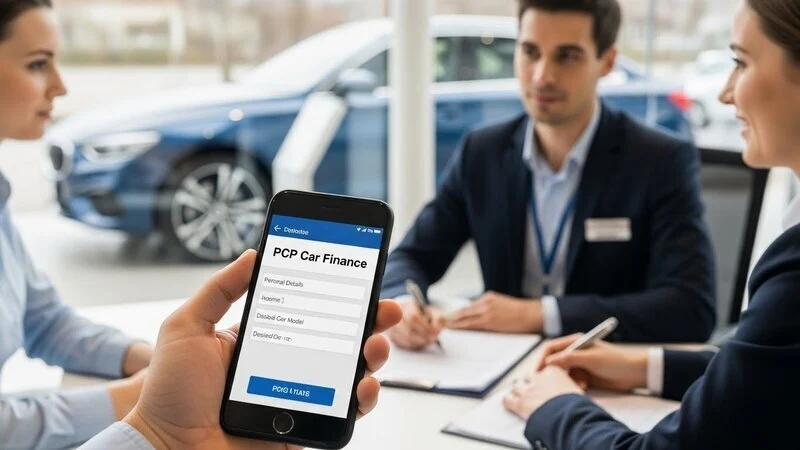
The structure is simple once you break it down, and it’s designed to give you more control over how you pay for your next car. Keep reading to understand PCP in clear terms so you can decide if it’s right for you.
How PCP Finance Is Structured
PCP spreads part of the car’s cost across fixed monthly payments that usually run for two to six years. You’re not paying off the full value of the car each month, as the lender predicts how much the car will be worth at the end of the term. This predicted value is known as the Guaranteed Future Value and it shapes how much you pay during the agreement.
Your monthly payments cover the difference between the purchase price and this future value. This is why PCP often feels more manageable than paying for the entire car upfront. But don’t worry, because your PCP finance agreement will lay everything out in advance so you always know what you’ll pay and what choices you’ll have when you reach the end of the term.
Mileage Limits and Why They Matter
As we explained above, PCP works on predicted future value, so mileage is important. You agree to a yearly limit when you sign the contract. If you drive more than this, the car’s value reduces faster than expected, so you may need to pay extra charges at the end of the agreement.
Being realistic about your mileage from the start will protect you from any surprises later. If you know you drive long distances for work or school runs, choosing a higher limit will give you more room and avoid extra fees later. Keeping the car in good condition is also important since fair wear and tear rules apply.
What Happens at the End of a PCP Agreement
PCP is popular because it gives you three clear options once the agreement finishes.
- You can pay the optional final amount, often called the balloon payment, and keep the car.
- You can give the car back to the lender and walk away, if the mileage and condition meet the agreed standards.
- Or you can upgrade to a newer model by starting a new PCP plan with a different car.
These choices help you decide based on your circumstances at the time rather than guessing years beforehand. Many drivers appreciate this because needs change, families grow and budgets shift, so PCP keeps you in control of the outcome.
All in All
PCP gives you clarity, structure and control. It breaks the cost into steady payments and offers multiple end-of-term options, so you’re free to choose the path that suits you best. If you want flexibility, predictable payments, and the freedom to upgrade easily, PCP offers a simple and practical route to your next car.
