
Role of Vehicle Tracking Devices in Insurance Claims and Accident Investigations
Vehicle tracking devices have revolutionized accident investigations and insurance claims. The devices capture accurate driving records, such as braking behavior, speed, acceleration, and impact severity.
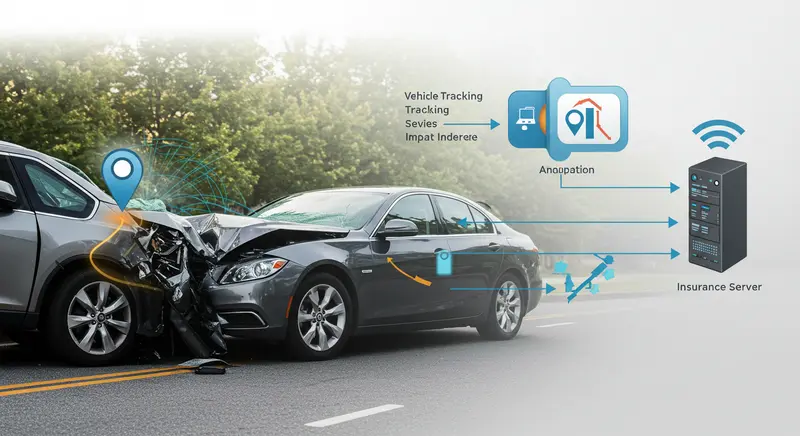
Such information offers objective documentation that determines fault in accidents, defends injury claims, and speeds up insurance settlements. Insurance companies and police use tracking data to clearly see how accidents happen, and then also they check on driver behavior and decide who is at fault.
7 Rules You Need To Check Out
1. How Vehicle Tracking Devices Work
GPS tracking devices utilize satellites to track a vehicle’s speed, its braking patterns, and its exact position within the vicinity. They capture unexpected halts, sharp maneuvers, and collision impacts.
Such data is captured dynamically on the go and provides a comprehensive account of the event. This data is relevant for insurance customers as well as other analysts requiring in-depth details of the accident.
2. Clarifying Fault in Accident Investigations
Tracking a vehicle comes with its own evidence, like speed and right of way, which makes decision-making easier. Even in cases where witness accounts are at odds, this enables easy determination of the accident’s cause factor.
For instance, if a motorist claims to have stopped a vehicle safely, the device is able to provide proof for this. The data is correct; therefore, the reasons behind the decisions are accurate, resulting in less conflict.
3. Enhancing Injury Claims with Verifiable Data
Tracking devices help in injury claims by providing evidence on the extent of the impact a vehicle sustained during a collision. This allows insurers to cross-reference the report with other medical documents to validate the existence of the injuries.
In instances where a claimant indicates an injury claim from a less serious crash, the tracking data can prove or disprove the claim. This legislation ensures that legitimate injuries are compensated while preventing baseless claims.
4. Hyper Speed Insurance Claim Processing
Claiming insurance often is a tedious process because evidence is required, but tracking devices can completely change the dynamic. They eliminate doubt by providing instant proof of what occurred.
Telematics equipped insurers resolve claims quicker, expediting policyholder wait times and reducing administrative expenditure.
5. Claim Fraud Prevention
Fraudulent insurance claims can include fake accidents and inflated damages, which tend to be pretty costly every year. Vehicle trackers can display how an accident truly happened and at what speed, making it near impossible to fake damage or injury.
Take, for example, an individual that claimed they suffered from verifiable damages due to a small bump. Thanks to tracking data, such an individual can easily be made a fool of. This data allows such tracking companies to ensure financial productivity by being able to prove that claimants actually deserve the money being paid out.
6. Legal and ethical concerns
While tracking devices are helpful, protecting driver privacy is equally as important. An understanding and consent need to be in place regarding how data is collected and utilized.
Insurance companies have to abide by the law to ensure the data is secure and private. This enables the driver to feel safe using tracking technology without the anxiety of misuse.
7. Developments in Tracking Automobiles for Insurance Purposes
AI systems will be able to analyze and assign blame regarding accidents in vehicle tracking in the future, streamlining the process. Due to these advancements, insurers will manage and respond to a collision more effectively than before.
Car tracking technology will progress even further in self-driving cars for the purpose of enabling automatic accident detection and reporting. As a consequence, there will be fewer road safety risks, faster claims processing, and fewer overall disputes.
Conclusion
Tracking devices, such as GPS Trackers, are crucial to modern accident investigation and to verifying an insurance claim’s authenticity. They provide clear empirical evidence regarding the speed, braking, and impact severity of the vehicle, as well as showing its driving patterns, which determine liability and validate claims, thus expediting settlements and aiding in prompt disbursement of payments.
These also help prevent fraudulent activities, boost highway safety, and enhance claim processing. Accuracy with which accidents are investigated and the speed by which claims are settled will improve with the advancement of telematics technology, which will definitely be integrated into the insurance industry.
