
How Weather Affects Your Driving More Than You Think
When it rains lightly, we’re most likely to just drive out of the driveway without thinking. It’s common, so common we don’t think about it. But this familiarity, this “we’ve seen worse”, is the beginning of the end.
Understanding the impact of weather on driving is more than “nice to have”; it can be life or death. More than 77 percent of all weather-related accidents occur in rain or mist, not snowstorms. Let that sink in. You should consider it when you go to work every time it rains.
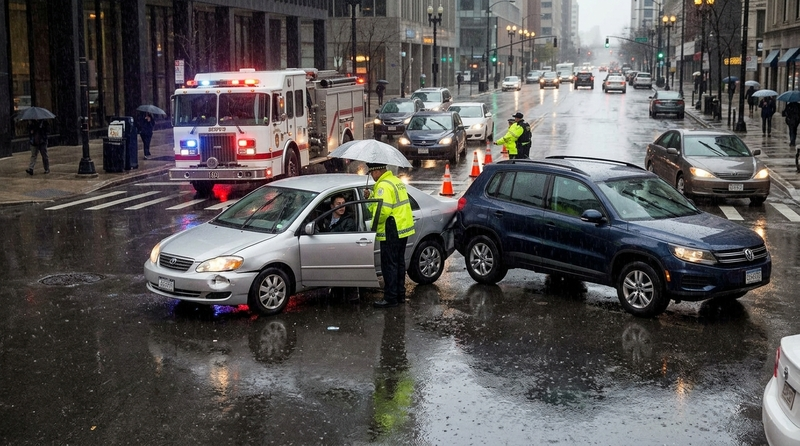
Weather, Risk, and Your Daily Drive: Why Conditions Deserve More Respect
Weather doesn’t only transform the road beneath your tires, it transforms you. Your reaction time, your confidence, your decision-making, all of it shifts depending on what’s swirling outside your windshield.
Worth noting before we dig deeper: your equipment carries enormous weight here, too. Drivers of SUVs and crossovers who rely on properly fitted rubber like 245/50R20 tires gain a meaningful safety advantage when seasons shift. Your tires are the only part of your vehicle actually touching the road, and that contact changes drastically with the weather.
Modern cars come packed with driver-assistance systems, but none of them override physics or erase the limits of human reaction. By the time you finish this guide, you’ll have a clear, honest picture of the impact of weather on driving and a realistic plan to handle it.
Let’s start not on the road, but in your head.
Weather’s Sneaky Effects on Your Brain, Body, and Behavior
The weather changes your brain and your reactions. Knowing how the weather changes your driving is like knowing how it changes your brakes and tires. Maybe more.
Night Plus Weather: Why the Dark Times are a Danger Multiplier
Night plus weather equals multiplied risk. Visibility collapses. Depth perception suffers. All movement becomes sluggish.
Early use of headlights, increased following distance, and slowing down before turns are not big changes. It’s the type of adjustment that really adds up. And when the sun sets, and the weather rolls in at the same time, all of those challenges are magnified.
Weather Impacts the Physics of Driving
The effects of weather go beyond our heads. Even the calmest driver can lose control when traction is lost.
Friction, Braking, and the Awful Physics of Water
Rain, ice, and film all reduce the friction between tires and the road. On a dry road at 60 mph, you can stop at about 180 feet. On a wet road beyond 270. On ice, it’s tripled.
Anti-lock brakes and stability control allow them to control wheel slip and distribute power. But they can’t make up traction. That’s a fundamental limit that can’t be overcome.
Pressure and Weather
If you have 245/50R20 tires on your SUV or crossover, take note: cold air causes tire pressure to drop around one PSI for every 10-degree F temperature drop. Deflated tires decrease your contact patch and produce harmful heat at high speeds.
And sport and all-season tires perform differently in cooler, wet weather than in hot and dry. It’s important to check your tire pressure before the weather gets too bad, especially if you have 245/50R20 tires, and to make sure you properly prepare them for the appropriate season, to keep that contact patch performing.
Sun, Water, and Sun Angles: The Three-Some
Low sun angles, rain spray, and snowstorms can dramatically limit your visibility almost overnight. Old wipers, a filthy interior windshield, and misaligned headlights only add to these problems.
Twice-yearly wiper replacement, a spikey treatment on your windshield, and a hooded wipe on the inside of your windshield are cheap. The benefits of fewer near misses are instantaneous.
Rain and Flooding: The Most Underestimated Hazard You Face
Understanding how weather affects driving has to begin with rain, because rain is the most frequent hazard most drivers encounter. Driving in bad weather almost always starts with water.
Why the First 15 Minutes of Rain Are So Dangerous
The opening minutes of a rain event are genuinely treacherous. Oil residue, rubber dust, and accumulated grime rise to the surface with the first drops, creating a slick film that looks like a wet road but behaves more like a greasy skillet. Drivers don’t feel any different, so they don’t slow down. That disconnect is where crashes happen.
Backing off speed, doubling following distance, and avoiding sudden steering or brake inputs during that window eliminates the vast majority of rain-related close calls.
Hydroplaning and What to Do When It Happens
The tread depth on your 245/50R20 tires should stay above 4/32″ to channel water away effectively. Hydroplaning can begin at around 35 mph when tires are worn or lanes are flooded. If it happens, resist every instinct to brake hard. Release the throttle, steer gently in your intended direction, and allow speed to fall off naturally. Keeping adequate tread on your 245/50R20 tires means water displaces before it builds a wedge beneath the rubber.
Research from the FHWA shows that resurfacing treatments at wet-road crash sites are expected to reduce severe wet-road crashes by approximately 70%. Friction on wet pavement is a real, measurable safety variable, not a vague feeling.
Flash Floods and Submerged Roads
Six inches of fast-moving water can knock an adult off their feet. A foot can sweep a small vehicle entirely off the road. Never assume that shallow water is safe to drive through.
Turn around, consult your navigation app for reported closures, and time your trips around storm cells when possible. Having an SUV doesn’t rewrite what moving water does to physics.
Practical Habits That Keep You Weather-Ready All Year
Driving safely in bad weather and following good weather driving safety tips doesn’t mean you have to change your whole driving habit. It does require discipline and routine for simple actions to do all year round.
A 2-Minute Weather Check Before Driving
Before starting out, bring up the radar for two to three hours. Do a circuit of the car, checking tires and lights. Wipe down all windows, not just a slit. And, before you pull out of the driveway, decide on your speed and distance based on what you saw in the forecast. Decide before you have to.
The Right Call Is to Stay Home
If the road is obscured by fog or snow, ice warnings are in effect, or there are flood warnings on the road, it’s not weak to reschedule. It’s the common sense of professional drivers, truckers, and emergency workers. If the conditions are too bad, it’s no reflection on you; it’s just too bad.
