
Understanding Comparative Negligence in Brunswick Car Accident Cases
When multiple drivers share responsibility for a crash, Georgia’s comparative negligence system determines who pays what—and for accident victims in Brunswick, this legal principle can dramatically impact their compensation. According to the Georgia Department of Transportation’s 2023 crash data, approximately 40% of vehicle accidents involve some degree of shared fault among the parties involved. As insurance companies become increasingly sophisticated in their fault-assignment strategies, understanding how comparative negligence works has become essential for anyone navigating a car accident claim.
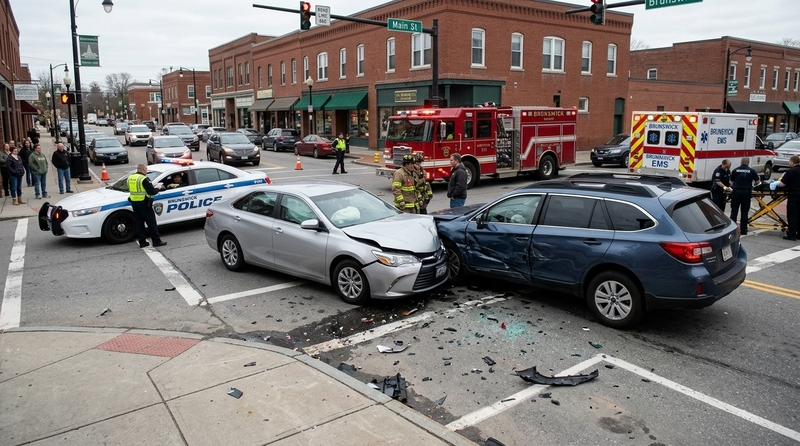
The stakes are particularly high in Brunswick, where busy commercial corridors like the Golden Isles Parkway and US-17 create complex accident scenarios involving multiple vehicles, pedestrians, and commercial traffic. Unlike states that bar recovery entirely if you’re partially at fault, Georgia allows victims to recover compensation even when they bear some responsibility—but only up to a point. For accident victims facing medical bills, lost wages, and property damage, knowing how this system works can mean the difference between meaningful recovery and walking away with nothing.
This legal framework affects every aspect of your case, from initial insurance negotiations to potential court proceedings, making it crucial to understand before you make critical decisions about your claim.
How Comparative Negligence Works in Brunswick Car Accident Cases
Georgia operates under a modified comparative negligence system, which means accident victims can recover damages as long as they’re less than 50% responsible for the crash. If you’re found to be 50% or more at fault, you’re barred from recovery entirely—a harsh cliff that makes fault determination absolutely critical.
Here’s how it works in practice: imagine a Brunswick intersection collision where Driver A runs a red light but Driver B was speeding and texting. If Driver A suffers $100,000 in damages but is found 30% at fault for speeding while texting, they can still recover $70,000 from Driver B. However, if that same driver is deemed 50% responsible, they receive nothing, regardless of the severity of their injuries or the other driver’s clear traffic violations.
The percentage of fault assigned to each party directly reduces their potential recovery dollar-for-dollar. This creates a complex calculation where even minor contributing factors—like failing to use a turn signal, following too closely, or not wearing a seatbelt—can significantly impact your compensation. Insurance adjusters understand this system intimately and often focus their investigations on finding ways to assign maximum fault to the claiming party.
Brunswick’s unique traffic patterns compound these challenges. The city’s mix of tourist traffic unfamiliar with local roads, commercial vehicles serving the port, and residents navigating daily commutes creates frequent scenarios where multiple parties contribute to an accident. A rear-end collision on the Sidney Lanier Bridge approach might involve a tourist who braked suddenly, a local driver following too closely, and poor visibility from weather conditions—each factor potentially shifting the fault percentages and dramatically altering each party’s recovery prospects.
Determining Fault and Liability in Brunswick Car Accidents
Establishing who bears responsibility in a multi-party accident requires a methodical approach to evidence collection and analysis. Unlike simple rear-end collisions where fault seems obvious, many Brunswick accidents involve complex interactions between multiple drivers, each with their own version of events. The process begins immediately at the crash scene and continues through formal investigations by insurance companies and, potentially, legal teams.
Gathering and Preserving Evidence After a Crash
- Physical evidence forms the foundation of any fault determination. Skid marks tell the story of pre-impact braking and speeds, while vehicle damage patterns reveal the angle and force of impact. In Brunswick’s humid coastal environment, this evidence can deteriorate rapidly, making immediate documentation critical. Photograph vehicle positions, road conditions, traffic control devices, and any environmental factors like construction zones or weather-related visibility issues.
- Digital evidence has become equally important in modern accident reconstruction. Many newer vehicles contain event data recorders that capture speed, braking, and steering inputs in the seconds before impact. Cell phone records can reveal whether a driver was texting or calling at the time of the crash. Traffic cameras at major Brunswick intersections, security cameras from nearby businesses, and even dashboard cameras from uninvolved vehicles can provide objective accounts of what happened.
The timing of evidence preservation matters enormously under comparative negligence rules. Insurance companies dispatch adjusters within hours of major accidents specifically to collect evidence that supports their policyholder’s position while potentially undermining the other party’s claim.
Role of Eyewitnesses and Expert Testimony
- Eyewitness accounts can make or break fault determinations, but their reliability varies significantly. Passengers in the involved vehicles may have obvious bias, while uninvolved bystanders often provide the most credible testimony. In Brunswick’s tourist-heavy areas, witnesses may be from out of state and difficult to locate later, making immediate contact information collection essential.
- Expert testimony becomes crucial when fault percentages will determine large damage awards. Accident reconstruction specialists use physics principles, vehicle damage analysis, and road evidence to create detailed accounts of how crashes occurred. These experts can determine vehicle speeds, reaction times, and the sequence of events leading to impact. In cases involving commercial vehicles or complex intersection crashes common in Brunswick’s port area, biomechanical experts may testify about injury causation to establish which specific impact caused which injuries.
The interplay between witness testimony and expert analysis often determines fault percentages. A witness who saw one driver texting immediately before impact can shift fault significantly, while an expert who demonstrates that the same driver couldn’t have avoided the accident regardless provides a counterbalance.
Impact of Comparative Negligence on Compensation Claims and Settlements
The financial consequences of fault allocation extend far beyond simple percentage reductions in damages. Under Georgia’s comparative negligence system, even small shifts in fault percentages can cost accident victims tens of thousands of dollars, while the 50% threshold creates an all-or-nothing scenario that makes aggressive fault defense worthwhile for insurance companies.
Consider a Brunswick accident victim facing $200,000 in medical expenses, lost wages, and pain and suffering damages. If they’re found 10% at fault, they recover $180,000. At 25% fault, recovery drops to $150,000. But at 50% fault, they receive nothing—a $200,000 swing that makes every piece of evidence critical. This harsh cutoff explains why insurance companies invest heavily in finding ways to assign majority fault to claiming parties, even in cases where their policyholder clearly bears primary responsibility.
Settlement negotiations become particularly complex under comparative negligence rules. Insurance adjusters often begin with extreme fault assessments—claiming the other driver was 60% or 70% responsible—knowing they can negotiate down to more reasonable percentages while still maintaining their position below the 50% threshold. Savvy negotiators understand that the first party to provide convincing evidence of the other’s majority fault gains enormous leverage.
The system also affects damage calculations in subtle ways. Insurance companies may be willing to acknowledge higher damages if they believe they can successfully argue higher fault percentages, knowing the net payout remains manageable. Conversely, clear liability cases often result in more aggressive damage disputes, since fault percentages offer little room for payout reduction.
Multi-party accidents create additional complications common in Brunswick’s busy traffic areas. When three or more vehicles are involved, fault percentages must total 100% across all parties, but each individual’s recovery depends only on their own fault percentage. This can create scenarios where parties with minimal fault percentages recover substantial amounts from multiple other drivers, while those with higher fault recover little or nothing despite suffering severe injuries. For those dealing with complex multi-vehicle crashes, seeking legal help for car crashes becomes essential to navigate these intricate fault calculations and protect your interests across multiple insurance companies.
How Attorneys Help Navigate Comparative Negligence Issues
Experienced Brunswick car accident attorneys understand that comparative negligence cases are won and lost on the details—the small pieces of evidence and legal arguments that can shift fault percentages by the critical points needed to maximize recovery or avoid the 50% bar entirely. Their role extends far beyond general legal advice into strategic evidence management and aggressive fault mitigation.
- Early case development focuses on building a comprehensive fault narrative before insurance companies solidify their positions. Attorneys immediately dispatch investigators to accident scenes, interview witnesses while memories remain fresh, and secure physical evidence before it’s lost or destroyed. They understand which types of evidence carry the most weight with insurance adjusters and, potentially, juries.
- Expert witness coordination becomes particularly crucial in close fault cases. Attorneys work with accident reconstruction specialists, medical experts, and industry professionals to build compelling cases for minimal client fault. This might involve demonstrating that the other driver’s violation of traffic laws was the proximate cause of the accident, or showing that the client’s contributing actions were reasonable under the circumstances.
- Negotiation strategy under comparative negligence requires sophisticated understanding of how fault percentages affect settlement values. Experienced attorneys know when to push aggressively against fault assignments and when accepting a modest fault percentage yields better overall results than risking a higher percentage at trial. They also understand how to structure settlement agreements that account for comparative negligence while protecting clients from future claims.
- Trial preparation involves anticipating the other side’s fault arguments and preparing compelling counter-narratives. This includes developing witness testimony that supports the client’s version of events, preparing demonstrative evidence that illustrates the accident sequence favorably, and crafting legal arguments that minimize the client’s apparent fault while emphasizing the other party’s violations and errors.
Best Practices for Accident Victims to Protect Their Claims Under Comparative Negligence
The actions you take immediately after a Brunswick car accident can significantly impact how fault is ultimately assigned, making certain behaviors essential for protecting your recovery prospects under comparative negligence rules.
Document everything comprehensively at the accident scene. Take photos from multiple angles showing vehicle positions, damage patterns, road conditions, and any relevant traffic control devices. Get contact information from all parties and witnesses, and obtain the responding officer’s name and report number. Avoid making statements that could be interpreted as accepting fault—phrases like “I’m sorry” or “I didn’t see you” can be used against you later, even when meant as expressions of concern rather than admissions of responsibility.
Seek immediate medical attention even if you feel uninjured initially. Delayed medical treatment creates opportunities for insurance companies to argue that your injuries resulted from intervening causes rather than the accident, potentially reducing your damages or increasing your apparent fault for failing to mitigate injuries. Consistent medical treatment also demonstrates the severity and ongoing nature of your injuries.
Preserve evidence quickly before it disappears. Contact your insurance company promptly but avoid giving detailed recorded statements until you understand the full scope of your injuries and have consulted with legal counsel. Keep detailed records of all accident-related expenses, missed work, and how your injuries affect daily activities—this information becomes crucial for demonstrating damages and supporting your case narrative.
The most critical decision accident victims face is timing. Under Georgia’s comparative negligence system, the window for building a strong fault defense closes quickly as evidence disappears and witness memories fade. Those who act decisively in the first few days after an accident consistently achieve better fault assignments than those who wait, potentially making the difference between meaningful recovery and walking away empty-handed when the legal dust settles.
