
Dodge Journey Years To Avoid: If You Want Fewer Repairs
The Dodge Journey is the mid-size crossover SUV that was introduced in 2009, which is supposed to offer budget-oriented space, comfort, and utility to families. Not every model year has, however, managed to meet this promise. Others end up being marred with constant problems such as transmission failure and electrical system failure.
Dodge Journey Years To Avoid
To a buyer of used cars, the information about which Dodge Journey years to avoid can save thousands of dollars on repairs and the infinity of trouble. Here in this guide, we will mention the most problem-filled years, describe the most popular complaints, and recommend what to check on just in case you are still giving a used Journey some thought. When you intend to purchase a car, be it to use it in the family or to commute, this observation can guide you to a better choice of a reliable car.
2009 Dodge Journey: The Most Complained-About Year
The year 2009 saw the introduction of the Dodge Journey, and it did not fare well as it came along with a lot of problems that resulted in the complaints of hundreds of consumers. The most common complaint made by owners was that the electrical system was faulty and could lead to failure of the power windows setting, faulty achievement of light, and poor performance of the Totally Integrated Power Module (TIPM). The unjustified premature brake wear (some of them had to be replaced earlier than 15,000 miles) was particularly irritating. The transmission problems were early, too, with jerky shifting, hesitation, and total failure in some units.
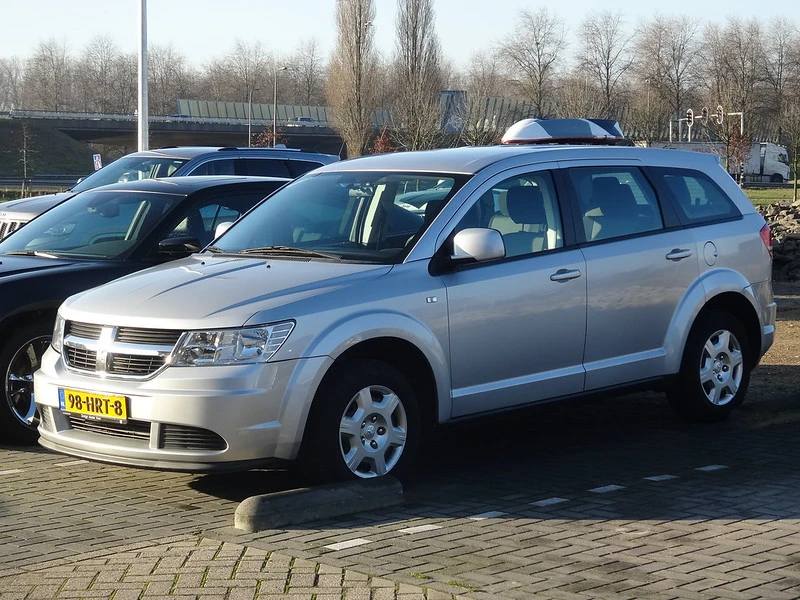
The worst part about the 2009 model is the repair cost. The cost to fix the TIPM may come between 1000-1500. The interior pieces and seat materials were even blamed for being of low quality and short durability. This is one of the worst years, this year, to buy used Journeys, as most people have been known to buy them.
2010 Dodge Journey: Minor Improvements, Major Problems Remain
Although Dodge tried to eliminate previous question marks in 2010, there were still significant reliability problems. Another issue that was mostly reported is the brakes once again. The owners were already replacing pads and rotors at only 12,000 miles. The same electrical problems with the 2009 model applied to the 2010 Journey as well, in particular with the TIPM, making the car act erratically with unpredictable horns honking, or the engine failing to start or even stalling.
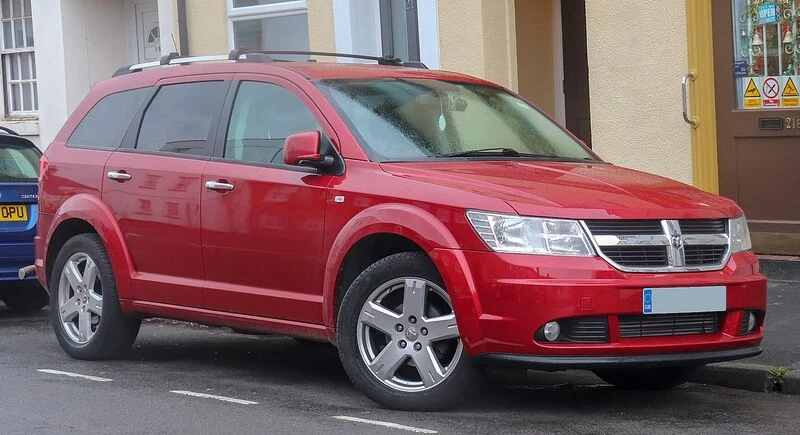
Moreover, the issues with the engines appeared, especially the mentioned 3.5L V6 variant. There was also reporting of engine stalling when the car is in motion or is unable to crank even with a full battery.
Several of the recalled airbags and steering parts were also named by the National Highway Traffic Safety Administration (NHTSA), which further affirmed the inefficiency of safety and performance reliability of the year.
Summing it up, although 2010 demonstrated some improvement, it was not enough to demonstrate that it is a reliable variant of families or commutes. Servicing was highly common and sometimes costly.
2011 Dodge Journey: A Slight Redesign, But Issues Persist
The 2011 Dodge Journey came with improved interior and enhanced driving experience. Despite such increases, reliability was not its strong suit. Transmission issues were also a common issue; harsh shifts, slipping, and full breakdown, including the first 60,000 miles, were cited by drivers.
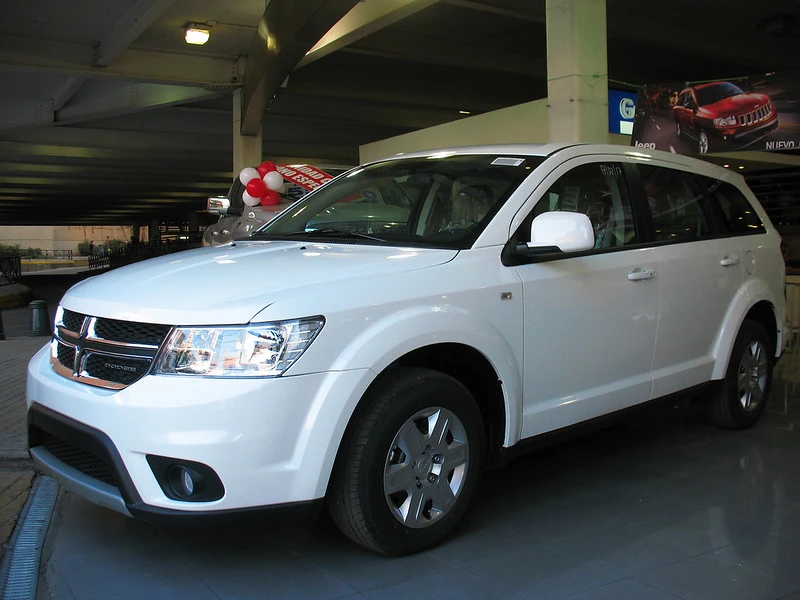
Failure of the cooling system was also among the numerous cases cited by most owners as thermostat failure and water pump failure. When this is neglected, it may result in engine overheating and major damage. The electrical system, particularly the TIPM, went further to break and bring inconveniences such as hyperactive windshield wipers and the inability of airbags to deploy in case of an emergency.
Although the 2011 model was more attractive and better in the of technological features, its secretive repair costs meant it was not the best investment. Replacing a transmission might cost more than $3,000, and this is another year when a person desiring to have less repairs should not buy.
2012 Dodge Journey: Improvements Overshadowed by Reliability Concerns
The 2012 model had received acclaim over enhanced ride quality, as well as the inclusion of the 3.6L Pentastar V6 engine. Nevertheless, deep-seated challenges kept it behind. The transmission problems were relatively fewer than on the previous models, but the electrical defects were still rife. The problem was that many owners had to address non-start problems to faulty keyless ignition modules and the failing batteries associated with parasitic electrical drains.
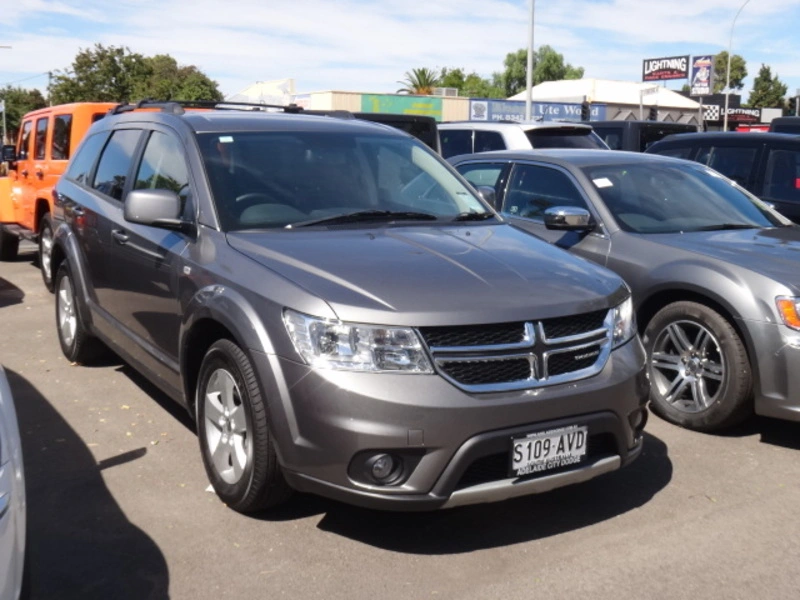
Touchscreen infotainment system was also criticized for freezing or rebooting unexpectedly. Although the suspension system had been improved, premature wear and tear continued to attract complaints regarding clunking sounds and bumpiness with time.
Dodge tried to make the 2012 model good in its performance and interior attractiveness, but its long-term reliability was poor. It is a specimen of a car which is good initially, but with age, it does not turn out to be good. Another year that should be avoided by thrifty consumers.
Common Problems Across Dodge Journey Years to Avoid
Certain issues consistently appear across problematic Dodge Journey years to avoid (2009–2012). These include:
| Problem Type | Description |
| Brake System | Pads and rotors wear out prematurely, often before 15,000 miles |
| Transmission Failure | Harsh shifting, stalling, or complete failure within 60,000–80,000 miles |
| Electrical Malfunctions | Faulty TIPM causes random lights, horn, or stalling |
| Cooling System Issues | Thermostat and water pump failures lead to overheating |
| Suspension Problems | Worn bushings and noisy components affect ride quality |
These recurring problems not only increase repair costs but also reduce driver confidence. A family SUV should be dependable and safe, and unfortunately, the early Dodge Journey models failed to meet those expectations consistently.
Tips for Buying a Used Dodge Journey
- Be sure to avoid the 2009 to 2012 models: These are just some of the myriad nagging problems associated with these early years of the Journey, among them engine failure, bad brakes, electrical problems, along with one of the most troublesome parts of the car, the Totally Integrated Power Module (TIPM). Such model years are many times included in worst used car lists because of their repair records, as well as complaints by drivers.
- Always ask complete service records: The regular oil change and transmission maintenance can make a Dodge journey very reliable, especially when compared to its counterparts that have not been maintained regularly. Brake system work and cooling system repairs have a tradition of being problematic areas, and therefore, one should focus extra caution on these.
- Observe or check: Observe or check on the TIP, M, which is a module that controls most of the electronic processes of the car. The result of TIPM may result in sporadic driver problems such as the honk going off at random, nonresponsive windows, or lights that turn off and on, so check to see whether it is replaced or not.
- Do a thorough test drive: Not only drive around the block, but you should also pay attention to any noises of the suspension, check the A/C and other electronics, and notice whether the transmission smoothly switches at various speeds.
- You might want to purchase a certified pre-owned (CPO) car. A factor that sometimes accompanies the CPO Journeys is a manufacturer warranty that gives some sense of security in the event of a future breakdown.
- Avoid pre-2015 models: Lastly, avoid the pre-2015 models and search for new models of 2015 or newer that have superior build quality and no reported issues. However, they also do not take the first place in the ranking according to reliability, in comparison to SUVs such as Honda CR-V or Toyota RAV4, so you should go with equal measures and do your due diligence.
Alternative Midsize SUVs to Consider
When you are doubting whether it is a good idea to get a used Dodge Journey because of its record in repairs and reliability issues, you are not alone. Luckily, there are a few reliable competitors in the midsize SUV market. As some of the more respected alternatives with better long-term value and performance, there are the following:
| SUV Model | Strengths | Reliability Rating |
| Toyota RAV4 | Excellent fuel economy and dependability | ★★★★★ |
| Honda CR-V | Smooth ride, durable engine | ★★★★★ |
| Mazda CX-5 | Sporty handling, upscale interior | ★★★★☆ |
| Hyundai Santa Fe | Good warranty, strong feature set | ★★★★☆ |
| Subaru Outback | AWD standard, spacious cabin | ★★★★☆ |
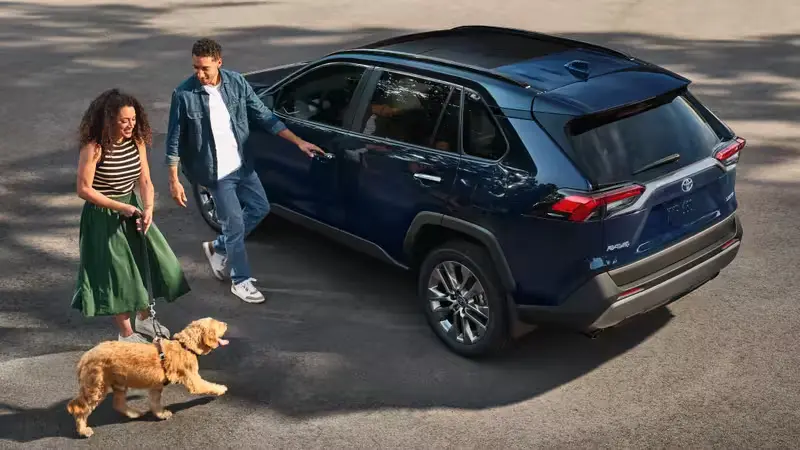
1. Toyota RAV4
Toyota RAV4 has been the most reliable car over the last decade. It has exceptional fuel efficiency, a comfortable and silent drive, and a posses of a high resale value. Most of the models are equipped with superior safety devices, and they hardly need repairs as time goes by. It is a family car, and every day drive an SUV.
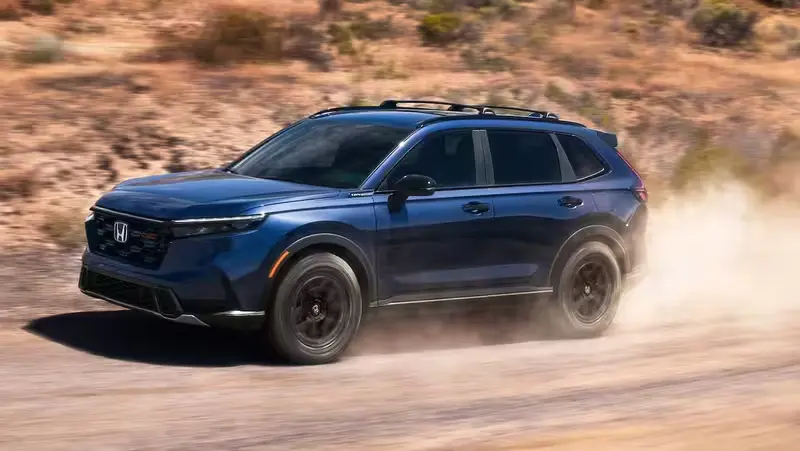
2. Honda CR-V
Considered the best SISU to buy second-hand is the Honda CR-V, which has garnered praises for its smooth ride and effective running, though tough engine. It has a lot of cargo space and convenient interior design. It has reliability and therefore it is a safe long-term investment. The parts are commonly accessible, and maintenance costs are low.
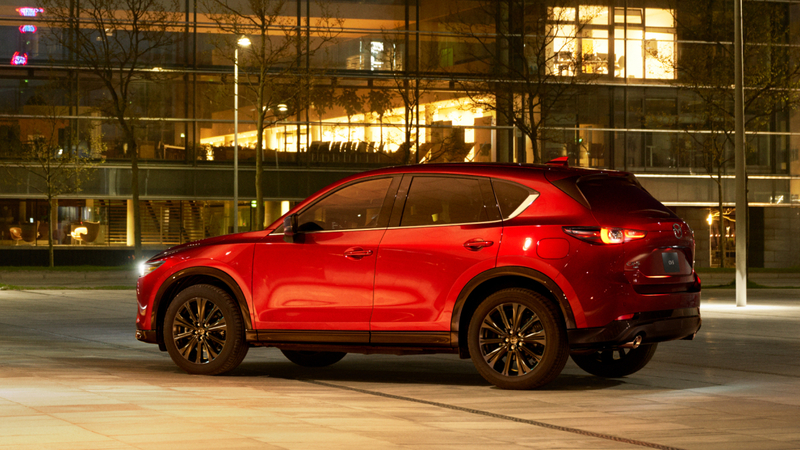
3. Mazda CX-5
Need something to play with? The Mazda CX-5 has got you covered in its handled and responsive steering feel. Its interior is also much more luxurious than that of the majority of its counterparts, even on older designs. It also holds up quite well; though not as bulletproof as RAV4 or CR-V, with good care. It combines fashion, functionality, and style.
4. Hyundai Santa Fe
Hyundai Santa Fe is referred to as having a long list of features and exceptional value. The newer models have an industry-best warranty, which gives a used buyer added comfort. The inside is roomy, and the family ride is good. It has good reliability ratings, particularly current 2016 or newer models.

5. Subaru Outback
The Subaru Outback comes standard as an all-wheel drive and has great clearance, which makes this car ideal in a snowy environment or off-road as well. It is spacious, safe, and with its durable engines. Although it may prove to be a little costly to maintain, it is very durable and rough and tough, which is the reason why adventure-loving drivers find so many friends in them.

Conclusion
The Dodge Journey promised a lot, but it was not reliable after only a few years. The Dodge Journey years to avoid 2009-2012 models have a reputation of having expensive and repeatable issues, particularly on their brakes, transmissions, and electronics.
In new releases, there have been certain improvements, although most of them remain wanting when compared to more dependable rivals. Whenever you are buying a used SUV, it is best to avoid these problematic years and go instead to find better options. Your wallet will love you and so will your peace of mind.
