
The Hidden Dangers of Sun Glare: How Lighting Conditions Contribute to Motorcycle Collisions
Most riders understand the risks of rain, fog, and poor visibility, but few realize how dangerous sunlight can be. Sun glare is a silent hazard that can turn an ordinary ride into a serious accident in seconds. Its effects are especially severe for motorcyclists, who have less protection and rely heavily on visibility. A motorcycle accident lawyer often sees how lighting conditions, particularly glare, play a key role in collisions that could have been prevented.
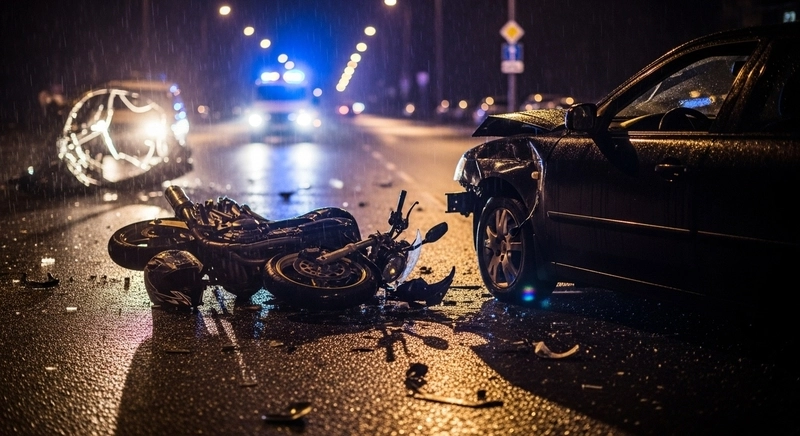
How Sun Glare Affects Vision
Sun glare occurs when sunlight reflects off surfaces such as windshields, mirrors, or the road itself. It can temporarily blind both motorcyclists and other drivers, making it difficult to see vehicles, pedestrians, and traffic signals. Even a few seconds of impaired vision can be enough to cause a serious crash.
The problem is most common during sunrise and sunset, when the sun is low on the horizon. During these hours, light enters the eyes at a sharp angle, overwhelming the retina and reducing contrast. Motorcyclists face additional challenges because they ride without the same shielding that car drivers have, such as visors and windshields.
When vision is compromised, a rider may misjudge distances, fail to see obstacles, or lose control of the bike. These split-second errors can lead to chain-reaction accidents involving multiple vehicles.
How Riders Can Reduce the Risk
While it is impossible to eliminate glare, riders can take several steps to reduce its impact. Wearing polarized sunglasses or a visor designed to block glare is a simple yet effective measure. Keeping helmet visors clean and free from scratches also improves visibility, since imperfections can amplify light scatter.
Timing can also make a significant difference. Riders should be aware of when sunrise and sunset occur along their route and plan accordingly. Adjusting departure times by even a few minutes can help avoid periods when the sun sits directly in the line of sight.
Lane position can also make a big difference when riding in bright sunlight. Choosing a lane that reduces direct exposure to glare, such as staying in the right lane when the sun is low, can improve visibility and reaction time. Using nearby vehicles as visual references can further help riders stay oriented and aware when glare makes the road harder to see.
The Role of Vehicle Maintenance
A well-maintained motorcycle is far safer to ride in difficult lighting conditions. Clean headlights and taillights help the rider see clearly and make the bike more visible to other drivers. Wearing bright clothing and adding reflective decals can further improve visibility when the sun reduces road contrast.
Riders should also check that their mirrors are properly aligned and free from dirt or scratches. Smudged or damaged mirrors can bounce sunlight directly into a rider’s eyes, creating glare that makes it harder to concentrate. Consistent maintenance not only keeps the motorcycle in good working order but also improves overall safety.
Legal Implications of Sun Glare Accidents
Sun glare may be a natural occurrence, but it does not excuse negligent driving. Drivers are expected to take precautions when visibility is compromised. Failing to slow down, wear proper eyewear, or maintain safe distances can still constitute negligence even if an accident does not occur.
In many cases, determining fault in a glare-related crash requires a detailed investigation. Witness statements, weather reports, and vehicle positioning can all provide insight into whether the collision was avoidable. Motorcyclists injured in these accidents often need legal guidance to recover medical costs and other damages.
An experienced attorney can help gather the necessary evidence and hold accountable those responsible parties. Although glare cannot be controlled, its effects can and should be mitigated through safe driving practices.
Final Thoughts
Sun glare is a frequently underestimated hazard that can pose serious risks to motorcyclists. It reduces visibility, slows reaction times, and increases the likelihood of collisions with other vehicles. Riders who stay cautious and take preventive steps during periods of intense sunlight can greatly reduce their risk of an accident. When glare-related negligence causes an injury, a motorcycle accident lawyer can help victims protect their rights and pursue fair compensation.
