
How Long After An Accident Can You File A Claim?
Car accidents are traumatic as they can leave you shaken, confused, and wondering what to do next. The duration within which you have to make an insurance claim is one of the most urgent questions after a crash.
Although the majority of insurers suggest filing immediately, each state in the U.S. has its own legal time limit, which is called the statute of limitations. Failure to meet this deadline may result in a loss of the opportunity to claim compensation for injuries, vehicle repairs, or wages.
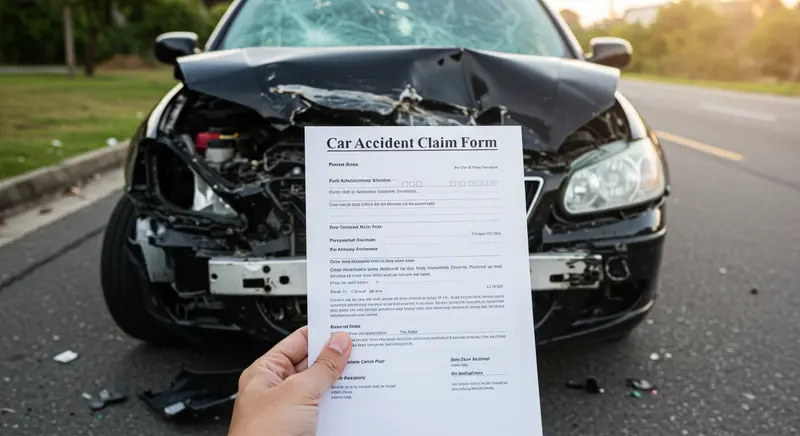
This guide clarifies the time limit you have to sue following a given accident and the importance of timely action and deadlines based on state boundaries.
Importance of Timing in Filing a Claim
Many states allow you years to do it, but procrastination can be counterproductive. The longer you delay:
- Evidence deteriorates: Witnesses lose information, photographs lose their place, and the accident report becomes difficult to retrieve.
- Distrust in insurance grows: The claims made months or years later can be viewed with suspicion, which will result in further investigations.
- Loss of medical links: When you do not report the injuries on time, the insurers will claim that your health-related condition is not a result of the accident.
The sooner you file your claim, the better your credibility is secured, which increases your likelihood of being compensated fairly.
Understanding Statute of Limitations
The law of limitations refers to the time before which one has to file a lawsuit or insurance claim in case of an accident. This depends on the state and even on the type of claim:
- Personal Injury Claims: Medical Care, lost earnings, pain, and suffering.
- Claims of Property Damage: Covers the repairs or replacement of the vehicle.
For example, Georgia offers 2 years on personal injury and 4 years on property damage. Louisiana, on the other hand, only allows 1 year on both.
How Long After an Accident Can You Claim Injury?
The duration of time taken to claim personal injury is 1 to 6 years in most states. Some exceptions extend the period to 10 years in some property damage cases. But keep in mind:
- Early filing is considered a strong option: Although your state might permit years, insurers like to see instant reporting.
- Medical delays weaken your case: Injuries such as whiplash or concussions could take days before being manifested, and therefore, reporting them promptly leaves a medical trail.
Cases with serious injuries are usually the ones lawyers handle best. If your medical recovery is a long process, a lawyer ensures that you do not run out of time during the settlement process.
State-by-State Time Limits
The deadline for filing a car accident claim is usually 2 to 3 years. The time frame is followed by many states, such as California, New York, Maryland, and Michigan, and it has become the norm all over the U.S.
However, there are some states with a very short limit of 1 year. As an example, Louisiana, Tennessee, Kentucky, and Nevada will make you act fast, meaning that you can not afford to wait and place your claim.
At the other end of the scale, there are a couple of states in which the time duration of property damage claims is very extended, as long as 6 to 10 years. Such states include Minnesota, New Jersey, and Rhode Island, which are included in this category, which is why the driver has more time; however, it is also better not to postpone.
It is important to always look into the question of whether your state differentiates between injury and property damage claims. Failure to meet either deadline may stop reimbursement.
What is the Time Span of Reporting an Accident?
Claiming is not equivalent to reporting the accident. In most states, you are obliged to report the DMV or police at the scene or within a minimal timeframe of 10 to 30 days.
- None on-the-job Reporting States: Georgia, Houston, Texas, Hawaii, and Virginia.
- Short Deadlines (5 to 10 days): California, Illinois, New York, and Florida.
- Extended Reporting: (Ohio 6 months, Missouri 30 days).
Although your state may have extra protection time, a timely reporting of the case can be useful to secure your case, in case of injuries or significant damage.
File a claim without a Police Report
It is a matter of state and the severity of the accident. Such as:
- Minor Accidents: When no one is hurt and the damage is below a specific amount (such as $1,000), then you may not require a police report.
- Injury/Serious Damage: Nearly all states have a reporting requirement for injury, death, and high-value property damage accidents.
The police report will make your claim more solid, and you will be less vulnerable. It is always better to call the police.
What Will Happen When You Fail to Meet the Deadline?
In the event you attempt to file a claim beyond the statute of limitations of your state, then you have a chance:
- This will have the insurance company deny the claim.
- Any suits brought against the at-fault driver will be dismissed by the courts.
- You can end up paying all medical and repair expenses on your own.
That is why it is important to be aware of the deadlines of your state and be fast.
The Process of Claiming a Car Accident
After you have reported the accident, the following are the normal things that happen:
- Inform your insurance company (or make your independent agent do it).
- Give details of the accident report, photos, medical records, and other details of the driver.
- After that, the Investigation starts. The Investor can examine your car, talk to witnesses, or demand additional papers.
- When appointing repair schedules, insurers usually refer to the shops they like.
- Decision on claims, approval or denial, after which settlement or negotiation occurs.
How to Recover Lost Wages due to an Accident?
You can make a lost wages claim should injuries prevent you from being at work. Options include:
- By means of your own (assuming that it is covered by your policy).
- Through the insurance of the at-fault driver (when he or she is at fault).
- Suing (when insurance does not cover all the losses).
You will require documents such as pay stubs, doctors’ notes, and verification of the employer.
How to Avoid Missing Your Deadline?
- Immediately call your insurer: The faster you inform your insurance company, the better your claim will be. Although the accident may be minor, the damage or delayed injuries may be in the form of unseen injuries that will manifest later. It is also done so that the insurer would not ask why you took the time to report.
- Make a Complete Report: The accidents are soon a battle of your word versus theirs. Make a detailed report of all it includes, including photos, police statements, medical invoices, and contact details. These comprehensive records, such as photos of the scene, the official police report, and copies of your medical bills, will be good evidence to help you.
- Check state laws early: Each state has its statute of limitations on filing claims of accidents. Some will be years, and others will just give you months. Being aware of the rules in your state is the only way to make sure that you do not lose your entitlement to compensation.
- Seek legal advice: Professional advice can be the difference when it comes to serious injuries or grey issues of law. A lawyer can negotiate, clarify your rights, and ensure that your claim is submitted within the right time frame.
FAQs:
Yes. Your insurer must be aware that even when the crash was caused by another driver, you can recover the money from their policy.
Yes, provided that you are not out of the statute of limitations of your state. Nevertheless, it is always better to prevent complications in the future.
You may yet claim, but promptly when you get the symptoms. Maintain medical records to identify them with the accident.
Yes. In no-fault states, you tend to make a claim against your own insurer irrespective of the cause of the accident. Deadlines may differ.
You may claim under your uninsured motorist insurance or simply sue the driver.
In case your injuries exceed the policy limit of the at-fault motorist, the rest you can get by a lawsuit, by garnishment of wages, or a lien against property. The solution to this would be through having underinsured motorist coverage in your own policy.
Yes, but it comes with risks. You may send a demand letter to the insurer of the at-fault driver stating the accident details, repair expenses, healthcare expenses, proof of lost wages, and requested compensation. It might be tough without a lawyer. Therefore, in case of severe injuries, you have to seek legal advice.
Although it is possible, insurers tend to be more difficult when there is no lawyer. In the case of serious injuries, an attorney will be worth more than just money in making you fairly compensated.
Conclusion
Then, what is the time limit within which you can claim? It is a matter of state laws, the nature of your claim, and your insurance policy. Some states allow you years, but it is dangerous to wait.
The safest approach? File and report your claim immediately. By doing this, you not only defend your rights but also save time in the reimbursement process and prevent non-reimbursement because a deadline was violated.
