
Why Situational Awareness Helps Drivers Avoid Dangerous Chain Reaction Accidents
Chain-reaction accidents often occur in an instant, especially in heavy traffic, where a sudden stop can trigger a series of collisions. Many drivers do not realize how quickly a small mistake or distraction can escalate into a multi-vehicle crash. The Atlanta car accident attorneys at Hammers Law Firm often see how these incidents could have been prevented with better awareness and quicker reaction time. Situational awareness helps drivers stay alert to what is happening not just directly in front of them, but also several cars ahead. With better attention and anticipation, drivers can often avoid becoming part of a dangerous chain reaction.
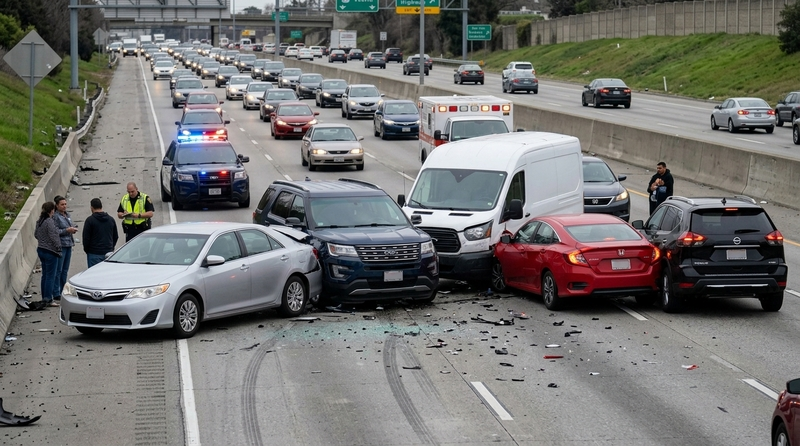
Understanding What Chain Reaction Accidents Are
Chain-reaction accidents occur when one crash or sudden stop causes multiple vehicles to collide in a domino effect. These usually start in heavy traffic or on highways, where drivers follow too closely or fail to notice sudden changes in speed. Because everything happens so quickly, even a small delay in reaction can cause a serious pileup involving several cars.
What Situational Awareness Means for Drivers
Situational awareness for drivers means staying fully tuned in to what is happening around the vehicle at all times. It is not just about watching the road ahead, but also about noticing traffic patterns, nearby vehicles, and possible risks before they become immediate problems. When drivers stay aware like this, they are better able to anticipate changes and respond calmly rather than react too late.
Scanning the Road Far Ahead Instead of Focusing Only on the Car in Front
Scanning the road far ahead helps drivers spot slowdowns, brake lights, and potential hazards before they become immediate threats. Instead of reacting only to the car directly in front of them, drivers can anticipate traffic changes and adjust their speed earlier. This simple habit creates more time to respond safely and can significantly reduce the risk of sudden chain reaction crashes.
Keeping a Safe Following Distance in Real Traffic Conditions
Keeping a safe following distance gives drivers enough space to react if the vehicle ahead suddenly brakes or slows down. In real traffic conditions, this buffer can be the difference between stopping safely and being pulled into a chain-reaction crash. It also helps reduce stress on the road, as drivers have more time to respond rather than make sudden, risky moves.
Watching for Sudden Changes in Traffic Patterns
Tracking abrupt variations in traffic flow helps motor vehicle operators prepare for unforeseen halts, lane changes, or traffic jams. Generally, traffic behaves like waves, and a deceleration at a great distance can rapidly affect the movement of cars along several lanes. If the drivers notice these changes in good time, they may gradually alter their pace and avoid the shock of a sequence of accidents.
Staying Alert to Driver Behavior Around You
Being aware of driver behavior around you involves recognizing signs of a driver’s distraction, aggression, or erratic driving in nearby vehicles. For instance, a car moving back and forth between lanes or suddenly braking for no apparent reason could indicate that the driver is not fully focused on driving. When drivers spot such warning signs early, they can safely make room and avoid getting caught up in a possible chain-reaction crash.
Reducing Distractions Inside the Vehicle
Minimizing distractions in a car can go a long way towards helping drivers keep their eyes on the road and react quickly to new situations. Dialing, texting, changing radio stations, or even having heated discussions can all pull the attention away right when it is needed the most. If the interior of the vehicle remains peaceful and free of distractions, the chances of a driver spotting a danger earlier and preventing a multiple-vehicle accident are significantly increased.
How Defensive Driving Supports Situational Awareness
Defensive driving and situational awareness are two main factors that work in harmony to keep drivers one step ahead of possible dangers while driving. If drivers make a habit of applying defensive driving skills regularly, they will most likely be able to identify hazards in time and deal with them in a calm, controlled manner rather than reacting late.
Maintaining a Safe Mindset
Defensive driving starts with the mindset that other drivers may make mistakes at any time. This helps drivers stay alert and avoid assuming that traffic will always behave predictably. A car accident lawyer in Atlanta often sees cases where a more cautious mindset could have prevented serious chain reaction crashes.
Anticipating Possible Hazards
Defensive drivers are always on the lookout for situations that could suddenly become dangerous, such as someone braking hard or making an aggressive lane change. They don’t just react to an event after it happens; instead, they think about what might happen in the future and prepare for those possibilities. Such foresight gives them additional seconds, which might be the crucial factor in avoiding an accident.
Controlling Speed and Space
Controlling speed and maintaining safe distances between cars are important elements of defensive driving. Such practices give drivers the opportunity to make their moves quite effortlessly if traffic suddenly slows or comes to a halt. Being more spaced out and driving at a moderate speed by a lot lowers the risk of ending up in a chain-reaction accident.
Staying Calm Under Pressure
It also includes defensive driving and keeping a cool head, especially when traffic becomes heavy or starts getting really unpredictable. One can panic, which may cause sudden braking or really risky moves that increase the risk of a crash. Keeping calm allows drivers to think more clearly and decide even in really stressful traffic situations.
Importance of Defensive Habits
Defensive driving is all about sharpening situational awareness to the point where being alert, prepared, and in control becomes second nature. As these habits become ingrained, they greatly reduce the risk of becoming a victim of dangerous chain-reaction accidents.
How Awareness Prevents Chain Reaction Crashes
Chain-reaction accidents often occur when drivers lose focus or fail to notice how quickly traffic conditions can change. Staying aware, keeping a safe distance, and driving defensively all work together to reduce the risk of these sudden multi-vehicle crashes. If someone is injured in this type of accident, the Atlanta car accident attorneys can help guide them through the process of seeking fair compensation and understanding their legal options.
