
Car Warning Lights You Must Know for Safe and Smart Driving
When you are behind the wheel of a new car, you count on a complex of internal mechanisms that make you safe and your car in good condition. The dashboard car warning lights are probably one of the most important tools that your car offers. These lights are used to warn you when something is wrong; it can be a small door left open, or it can indicate a more serious mechanical problem, which requires immediate intervention.
Top 10 Car Warning Lights for Drivers
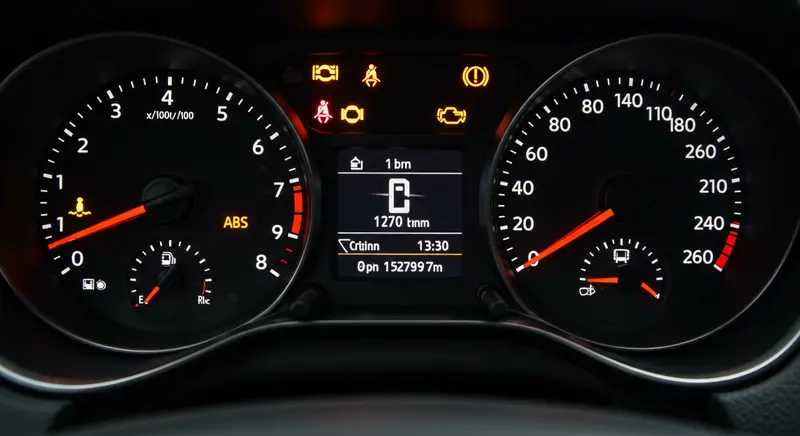
Being familiar with the most frequently used warning lights and their meaning may also save you money on repairs, avoid possible damage, and increase safety. In this article, we examine the 10 most important car warning lights that every driver needs to be familiar with, and valuable insights are provided as to what to do when they appear.
1. Check Engine Light
The check engine light is one of the most dreaded yet the most common dashboard warnings. It is normally in the form of a small engine icon or with the inscription; Check Engine. Such light may be indicative of numerous complications, including minor ones (such as a loose fuel cap) to major ones (faulty oxygen sensors, ignition coil failure, or catalytic converter problems).
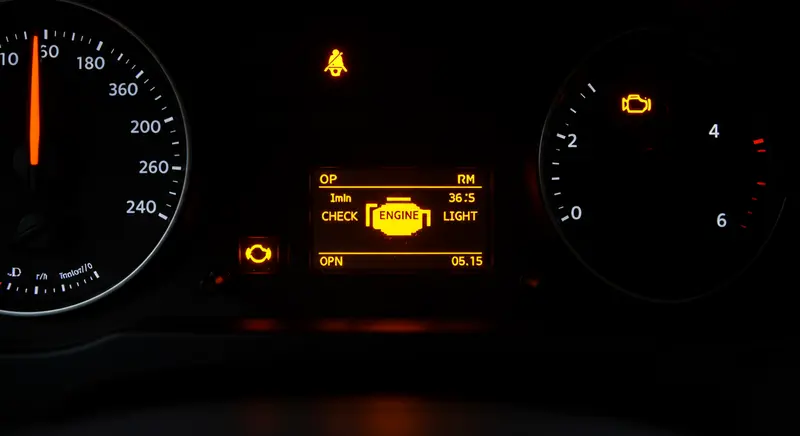
When the light is not blinking, it is possible that your car can be driven within a limited time, but you have to make a check on the diagnosis as soon as it can be observed. Flashing means that you have a serious engine problem, like a misfire, and this problem may result in harming your engine. Under such circumstances, you should pull over and call for help.
2. Oil Pressure Warning
The oil pressure symbol is a bit outdated oil can with the drop falling out of its tip. Once this light comes on, it normally implies your engine oil pressure is critically very low, and this level may lead to mal lubrication where parts of the engine will never be replaced. The most widely spread reasons are the lack of oil, a defective oil pump, or a clogged filter.
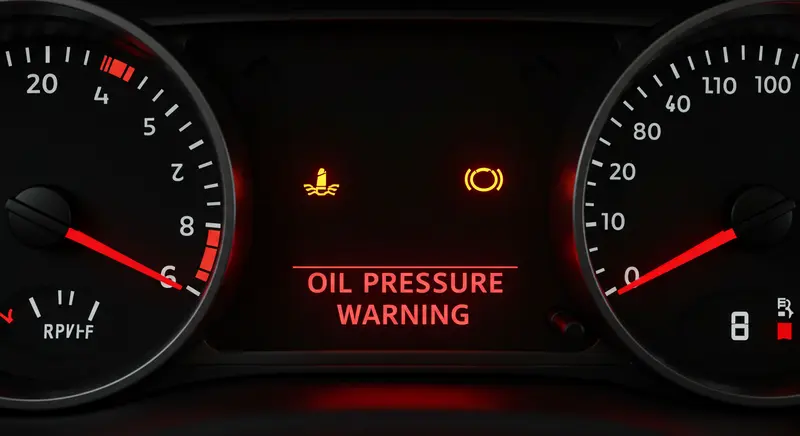
When you drive using this light on, this can make your engine grind up severely, leading to a disastrous and costly breakdown. In case you notice this kind of light, park in safety, shut down the engine, and examine your oil level. In the unlikely case that topping up the oil does not clear the light, then place the car under tow to a mechanic.
3. Battery Charging Warning Light
This light is in the form of a car battery and normally glows red. It activates when the electrical system within your car is not charging well. Typical causes are a dead battery, a bad alternator, or a snapped serpentine belt. When the battery warning light turns on, you have been driving by using the stored energy, and when the battery runs empty, your car might stall.
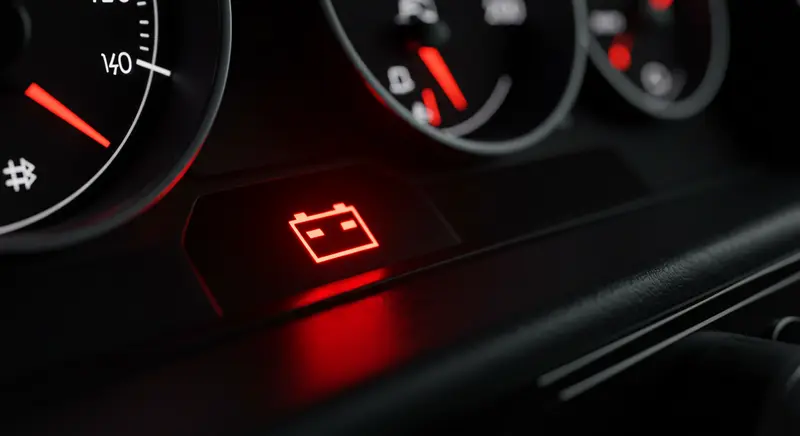
That implies the possibility of failing to power up the steering, brake, and even itself when on the road. When such a light comes on, cut down the number of electricals you are carrying (turn off radio, AC, etc.) and drive to a repair shop within the shortest time when you have the motor under control before it cuts out.
4. Warning Light: Brake System
This light is always shown when under the influence of the ring or as an exclamation mark, or even the BRAKE written sign, and it is meant to alert you to the fact that there is something wrong with your braking system. This could point to the fact that the brake fluid is experiencing low levels, worn-out brake pads, brakes experiencing a leakage on the brake lines, or the parking brake is still engaging the car.
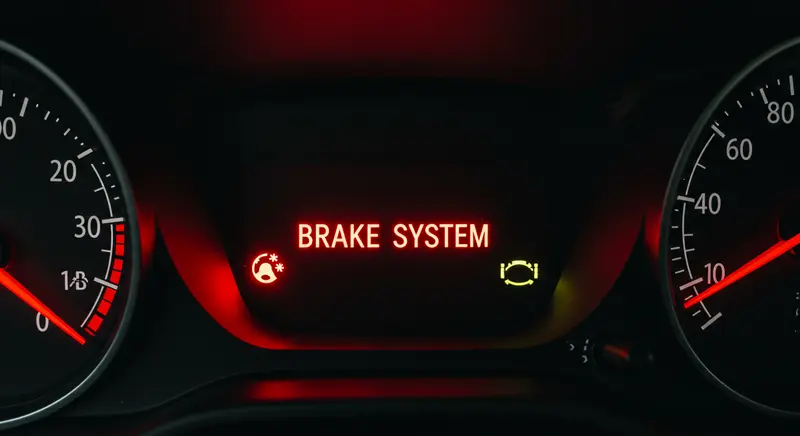
This message is something you ought never to ignore because when there is a problem concerning the integrity of your system, your security is directly undermined. This implies that you should have the lights on after you have released the parking brake. You are not to drive your car and check the brake fluid container. Moreover, when the light continues to shine or it happens that the brake pedal is squishy or spongy, then there is a need to actually have the car checked by an experienced mechanic as soon as possible.
5. ABS Warning Signal
ABS is the abbreviation of Anti-lock Braking System, and the light that came with ABS is most commonly written in the form of ABS on AC. The system helps in preventing your wheels from getting locked in case of hard braking, thus enabling you to remain in control of your steering. When the ABS warning lamp lights, there is an issue with the system, i.e., a faulty sensor, a broken wire, or a cooked ABS control module.
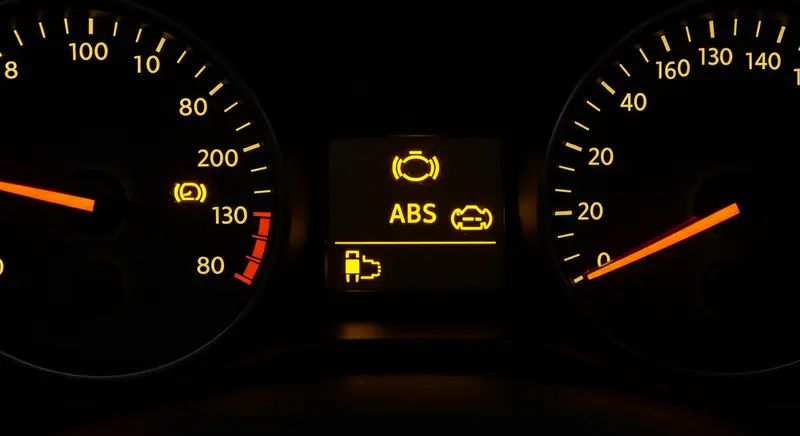
The regular brakes will do their jobs, but the car may skid in case of an emergency stop, as in this case, the ABS will no longer exist. Although you do not necessarily need to pull over at once, you ought to have an inspection appointment as soon as you can, particularly when you are driving in slippery weather where ABS is vital.
6. TPMS Le
This headlight resembles a horseshoe in which there is an exclamation mark. It activates itself when the pressure of the air in any one of your tires or tires has fallen below the ideal level. Underinflation may cause low fuel efficiency, uneven wear of the tires, and an increased risk of tire blowouts. This light is not taken seriously by many people who expose themselves to all sorts of dangers in life.
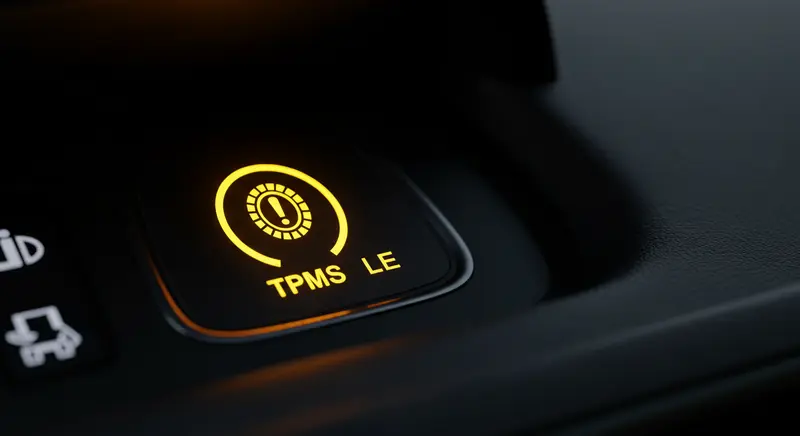
You may lose control of the car when the air pressure of the tires is misadjusted. Check all tires with a tire pressure gauge and inflate to the correct PSI indicated in your vehicle manual or on the jamb of the driver’s side of the car door. A damaged tire or TPMS sensor could also be the issue in case the light does not shut off after being adjusted.
7. THE Engine Temperature Warning Light
It is a warning light shaped as a thermometer in liquid root and warns of an overheated engine. Excessive heating may occur as a result of minimal coolant, a freezing thermostat, a damaged water pump, or a radiator. When this light triggers when you are on the road, it is important to stop immediately on the road and switch off the engine to avert possible permanent damage.
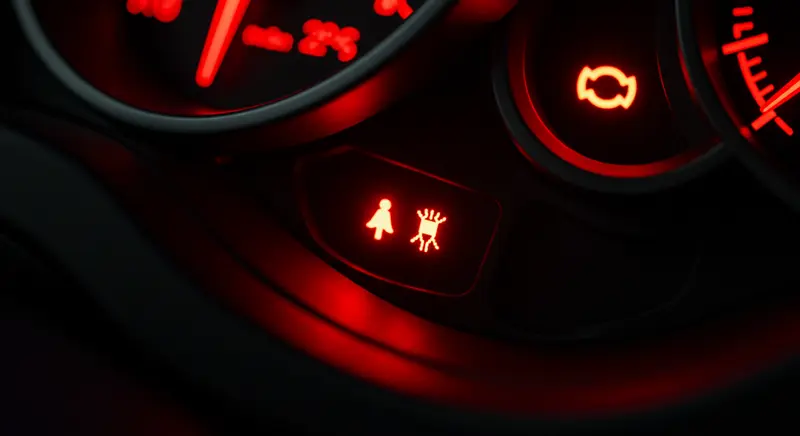
When the engine cools down, open the hood and examine the level of the coolant. Never take off the radiator cap when it is hot. When the coolant levels are okay and the light remains on, you will have to service the cooling system to avoid repairing it to the extent of creating a blown head gasket by taking it to a mechanic.
8. SRS/AIRBAG Warning Light
SRS is a Supplemental Restraint System, and here the warning light is usually an image of a human being with a circle in front of which connotes the airbag. Once this light is turned on, it indicates that there is a defect in your airbag system. This might mean that the airbags might not open during an accident, or worse still, open at the wrong time.
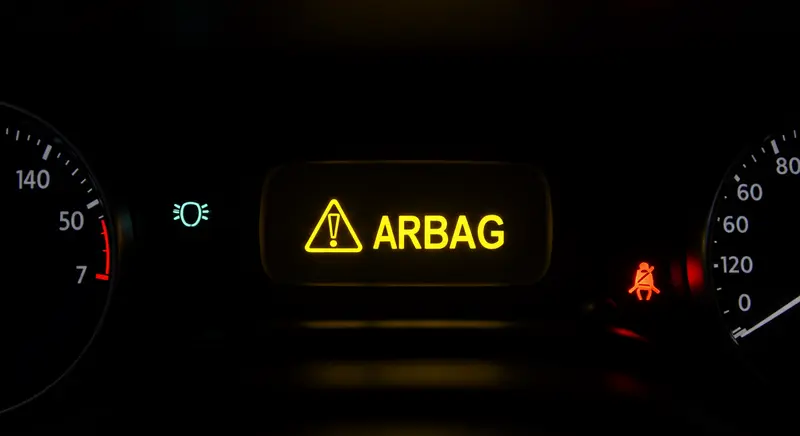
The defective sensors, damaged wiring, or post-minor-collision problems could be the causes of the problem. Although the rest of the car may feel good, a faulty airbag system is a compromise to the safety of the car. A qualified technician should promptly make a repair to this light.
9. Traction Control Warning Light
The symbol is commonly in the form of a car with wavy lines at the back, and at times, the abbreviation TCS or ESP. It switches to active mode when the traction control system turns on in order to stop your wheels from sliding. If the light flashes briefly when you drive during the rain or snow, the system is busy at work.
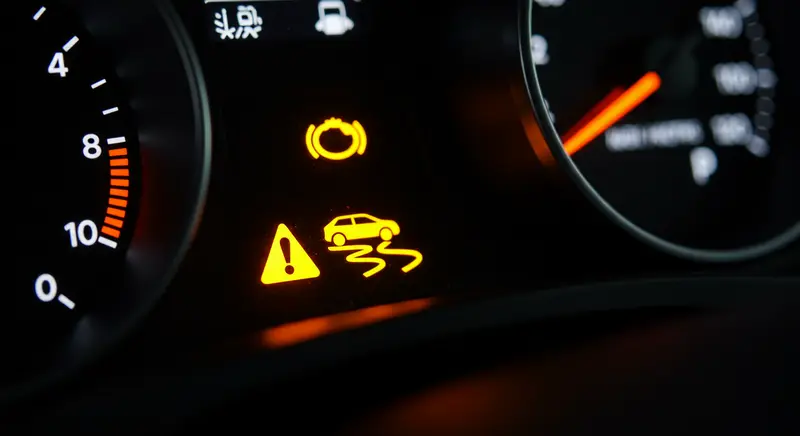
But when it remains lit always, it may mean that either the traction control or stability system is turned off because it has a fault. It may lower the capacity of your vehicle to handle slippery conditions. It is not an emergency, although the matter should be considered to reach the conclusion that the car safety systems are working well.
10. Soon, L Light Service Vehicle
This kind of light is usually accompanied by a wrench form or the catchphrase/ word of service soon. This is not an alarm of a certain malfunction, but a maintenance reminder in general. It usually shows up when your vehicle is ready to have scheduled services like an oil change, replacement of air filters, and rolling of tires.
Some do this by taking the mileage, and others do this by engine conditions or driving patterns. This light does not indicate a danger, but the result can only be bigger troubles in the future when one ignores the light too often. A maintenance schedule is sure to help you get the desired life and performance of your car.
Other Car Warning Lights You Must Be Familiar With
- Light door Ajar: This light is like a car that has its doors open. When you notice it, ensure that doors (including the trunk) are well-closed. It is just a mere warning, yet relevant since interior lights can remain turned on and consume your battery.
- Seat Belt Reminder Light: When a passenger does not use a seat belt or the driver has not buckled his or her seat belt, this light flashes. It is a safety and a legal reminder to wear a seat belt, and often comes with a beep noise.
- Waschfluid Warn light: This is depicted as a windscreen symbol that is accompanied by spray lines, which indicate that your windshield washer fluid is low. It does not have any effect on the performance of your car, but it may impair your visibility during poor weather conditions.
- Transmission Temperature Light: This resembles a gear/thermometer icon and is displayed when your transmission liquid becomes hot. It is more prevalent in heavily loaded trucks or vehicles. When it lights, follow the instructions to pull over and leave the transmission to cool down.
- Indication of Glow Plug (Diesel Cars): In the case of diesel cars, this symbol in the form of a coil will be seen when it is warming up the glow plugs. The engine should not be started until this light has turned off in cold conditions to start the engine easily.
- Emissions or EML Light (Engine Management Light): This could be either alone or together with a check engine light. It means an issue indicating a fuel burning or emissions, and can frequently require scan diagnostics.
Final Thoughts
Car warning lights are a way of trying to alert you to the health and safety of your car. The lights are related to a definite purpose, and learning what they imply and the sense of urgency will help you become a more responsible and conscious driver.
On the one hand, some of them, such as the oil pressure or engine temperature warning, necessitate immediate response, whereas some others, such as the traction control or service reminders, provide a certain grace period in which response is possible.
Do not keep driving with a dashboard light believing that it will fade away. Rather, take immediate action that is dependent on the level of the alert. The long-term bearing on your safety, the life of your car, and your wallet will be positive.
