
What Are the Dangers Involved in a Jackknife Truck Accident
Jackknife truck accidents are extremely dangerous because they often involve large commercial vehicles losing control and blocking multiple lanes of traffic. These accidents can cause severe injuries, multi-vehicle collisions, road closures, and even fatalities due to the massive size and weight of tractor-trailers.
A jackknife accident usually occurs when the trailer swings outward at an angle, forming a shape similar to a folding pocketknife.
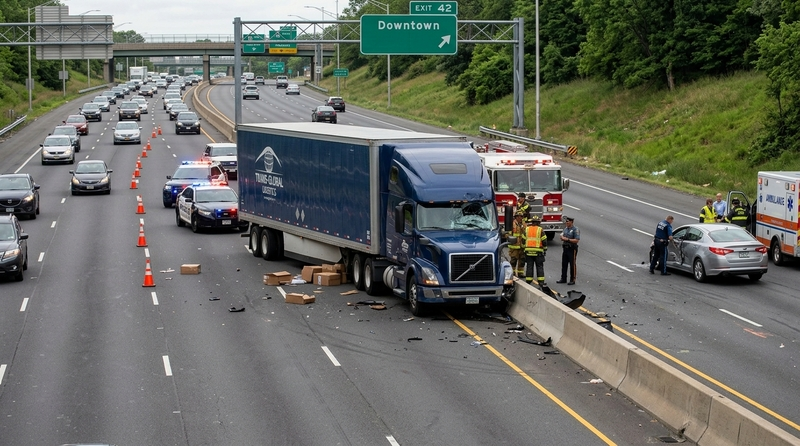
In many cases, jackknife truck accidents happen suddenly and leave nearby drivers with little time to react or avoid impact. Understanding the dangers associated with these accidents can help drivers stay alert and recognize the serious risks involved when sharing the road with large trucks.
What Is a Jackknife Truck Accident?
A jackknife accident occurs when the trailer of a large truck swings out to the side while the cab continues moving forward. This causes the truck to fold inward at an angle, often blocking several lanes of traffic.
These accidents most commonly involve:
- Tractor-trailers
- Semi-trucks
- Delivery trucks
- Commercial freight vehicles
Jackknife accidents usually happen when drivers lose traction or control, especially during sudden braking or hazardous road conditions.
1) High Risk of Multi-Vehicle Collisions
One of the biggest dangers of jackknife accidents is the potential for large multi-vehicle pileups. When the trailer blocks multiple lanes, nearby drivers may not have enough time or space to stop safely.
This can lead to:
- Rear-end collisions
- Side-impact crashes
- Vehicle rollovers
- Secondary chain-reaction accidents
Highway traffic conditions can make these situations especially deadly because fast-moving vehicles may collide with stopped or disabled cars.
2) Severe Injuries and Fatalities
Because commercial trucks are significantly larger than passenger vehicles, injuries from jackknife accidents are often catastrophic.
Common injuries include:
- Traumatic brain injuries
- Spinal cord injuries
- Broken bones
- Internal bleeding
- Neck and back injuries
- Severe burns
- Wrongful death
The force of impact in these crashes can completely destroy smaller vehicles and leave victims with life-altering injuries.
3) Cargo Spills and Hazardous Materials
Another major danger involves spilled cargo. When a truck jackknifes, its trailer may overturn or rupture, scattering cargo across the roadway.
This creates additional hazards such as:
- Flying debris
- Blocked highways
- Fuel spills
- Fires or explosions
- Exposure to hazardous materials
Some commercial trucks transport dangerous substances, including chemicals, gasoline, or industrial materials. If these substances leak during an accident, the risks to drivers, emergency responders, and nearby communities increase significantly.
4) Dangerous Road and Weather Conditions
Jackknife accidents are often linked to poor road or weather conditions. Rain, snow, ice, and fog can reduce tire traction and make large trucks harder to control.
Dangerous conditions that increase jackknife risks include:
- Wet roads
- Black ice
- Sharp curves
- Steep downhill grades
- High winds
- Poor visibility
Truck drivers must adjust speed and braking techniques carefully during hazardous weather. Sudden braking on slippery roads is one of the most common causes of jackknifing.
5) Traffic Disruptions and Emergency Response Challenges
Jackknife truck accidents often create major traffic disruptions. Because these crashes can block multiple lanes or entire highways, traffic congestion may last for hours.
Emergency responders face additional challenges, such as:
- Reaching trapped victims
- Managing hazardous cargo
- Clearing debris
- Redirecting traffic safely
Large-scale accidents may require:
- Fire departments
- Hazmat teams
- Ambulances
- Tow trucks
- Accident reconstruction expert
The complexity of these accidents can delay rescue operations and increase risks for everyone involved.
Key Takeaways
- Jackknife truck accidents occur when a truck trailer swings outward and folds toward the cab.
- These accidents often lead to multi-vehicle collisions and severe injuries.
- Cargo spills and hazardous materials can create additional dangers after a crash.
- Poor weather and slippery roads significantly increase jackknife risks.
- Driver negligence, speeding, and sudden braking are common contributing factors.
- Defensive driving and proper truck safety practices can help reduce accident risks.
