
Why Truck Accidents Are More Complex Than Car Crashes
Truck accidents in North Carolina present significant challenges due to the state’s extensive highway system and role as a major transportation corridor along the East Coast. With Interstates 95, 85, and 40 serving as vital routes for commercial trucking, North Carolina sees thousands of large truck accidents annually. The state’s diverse terrain, from coastal plains to mountainous regions, combined with heavy commercial traffic, creates conditions where truck accidents can have particularly devastating consequences. Learning about the complicated issues involved in these cases is crucial for anyone affected by such incidents.
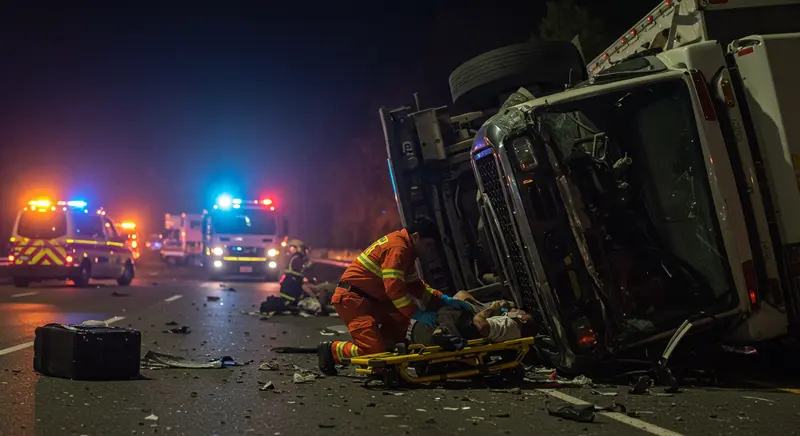
Truck accidents tend to involve more complicated situations than car accidents. There are some good reasons for this, like large size, regulations, and the potential for greater destruction. An experienced NC truck accident lawyer can help navigate these complexities and protect your rights. In this post, we discuss why truck accidents are more complicated.
Size and Impact
The size difference matters too; trucks are way bigger than cars, so if you hit a truck, the crash is going to be a lot more serious than if a truck hits a car. Caused by the sheer size and weight of a truck, these accidents can cause catastrophic outcomes. Trucks, due to their size and weight, can be deadly in a crash with a smaller vehicle, causing more serious injuries and damage. The relative sizes also alter the dynamics of the crash, making it actually more difficult to analyze and understand the sequence of events.
Regulations and Compliance
There are many rules that trucking has to follow. They include regulations regarding driver hours, vehicle maintenance, and cargo safety. Compliance with these rules is of utmost importance, and non-compliance can attract heavy penalties. When a truck is on the road, many of these regulations require adherence, which can complicate the investigation of truck accidents. This need for a deep dive makes truck accidents more complex.
Multiple Parties Involved
Truck accidents are unique compared to a regular car accident because they usually involve multiple parties. These may include drivers, trucking companies, cargo owners, and insurance providers. Potential liability will be difficult to establish because each party may have different responsibilities, interests, etc. As a result, sifting through these elements is delicate at best and enormously complicates resolution.
Insurance Complications
Truck insurance policies are not like car insurance policies. These policies typically involve higher coverage because the potential for greater damage exists. This complexity can give rise to lengthy negotiations and disputes with respect to claims. That complexity is further increased because those involved in truck accidents need to understand the nuances of these policies.
Cargo Considerations
Different classes of trucks transport various types of cargo, potentially influencing the outcome of a collision. According to the Federal Motor Carrier Safety Administration, proper cargo securement is essential for preventing accidents. The problem is made even worse by the fact that materials that have not been properly secured or are even on the dangerous side (overheated) can lead to more disasters (spills, fires). To study these elements, however, requires specialized expertise, and these investigations are far more involved than a simple car crash investigation.
Driver Fatigue and Training
With lengthy drives and tight deadlines, there are particular challenges truck drivers face. One of the biggest problems is fatigue, with endless statistics reporting tiredness as a direct cause for many accidents. Regulations mandate a certain amount of downtime, but the constant pressure to expedite travel often leads drivers to overlook safety measures. Moreover, truck drivers have a higher level of training, but again, quality is a safety issue. The evaluation of a truck accident should consider these aspects.
Road Conditions and Infrastructure
Many roads and infrastructure simply were not designed with big trucks in mind. Such a mismatch causes more wear and tear of the roads, and roads become lethal to drive on, which eventually leads to accidents. Breaking down each factor also adds a layer to the investigation that assesses if road conditions may have been a contributing factor.
Legal Challenges
Truck accidents are subject to a more complex legal process. The involvement of a myriad of parties and regulations makes litigation difficult and protracted. For those involved, you need to understand the legal framework—and get the proper representation. This need for legal specificity further complicates the process.
Technology and Equipment
New trucks have developed with time, using tech-driven gear. While this has improved safety, it is crucial to thoroughly understand the features during the investigation. If they are involved in accidents, technology problems, or misuse, it is important to analyze.
Conclusion
In addition to all the additional parties involved in a trucking accident, the simple size of the truck can complicate a case as compared to a vehicle accident. Each of these will add a specific challenge that we need to handle to get insights and solve an issue quickly. Understanding these complexities will help individuals and organizations prepare and respond to such unfortunate events. This complexity highlights the need for trained professionals to navigate all of the particularities involved with truck accidents.
